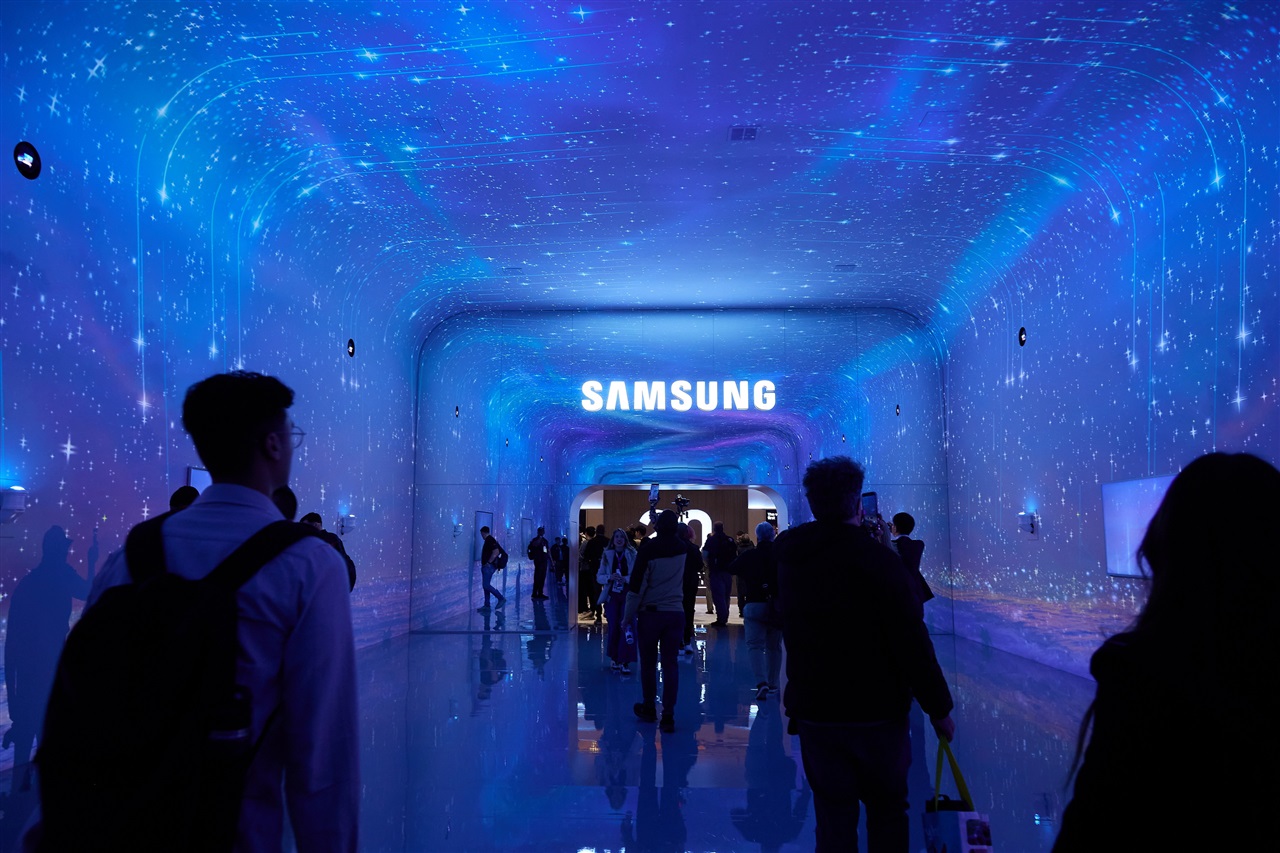
Samsung Electronics and Intel have spent more than a decade trading places at the top of the global semiconductor industry, and their long-running rivalry highlights just how quickly the chip market can change. Between 2011 and 2023, Samsung took the No. 1 position four times, while Intel led the rankings nine times, reflecting shifting demand across memory, processors, and the broader electronics supply chain.
That familiar two-company race was disrupted in a major way with the explosive growth of generative AI. As demand surged for the specialized chips that power AI training and inference, the industry’s top spot moved in 2024 and 2025 to Nvidia, whose AI-focused hardware became central to the newest wave of data center expansion.
This shift underscores a new reality for the semiconductor sector: leadership is no longer defined only by traditional PC and mobile cycles or memory booms. Instead, AI infrastructure—especially high-performance computing and accelerated processing—is reshaping revenue, market influence, and what it takes to be the world’s largest chip company. As the AI era continues to evolve, the battle for the No. 1 semiconductor position is set to remain one of the most closely watched storylines in global tech.