Samsung Faces Growing Pressure to Improve Foldable Phone Software
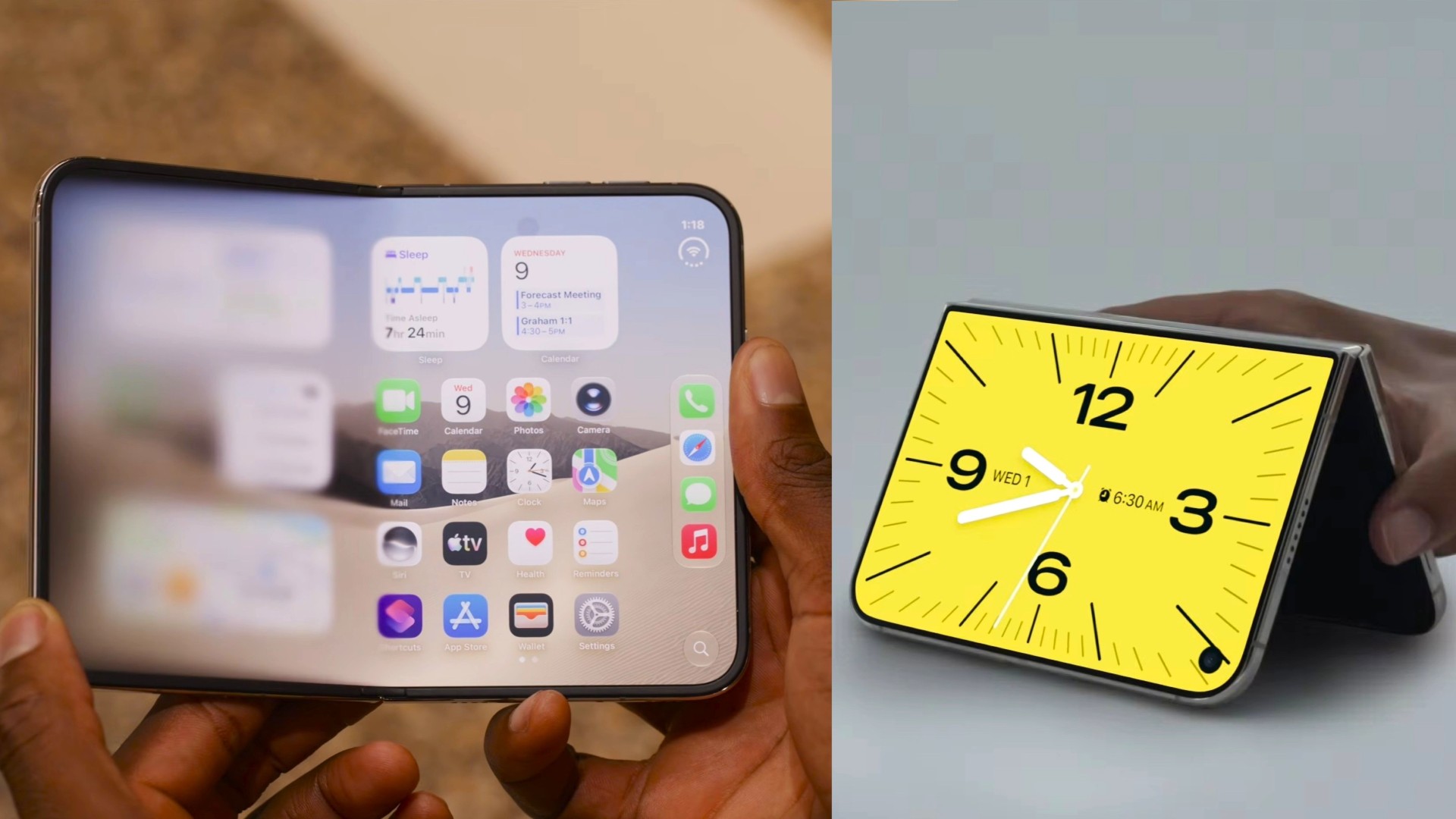
Samsung is facing fresh criticism as the foldable phone market enters a new phase, with many users and industry watchers arguing that hardware improvements alone are no longer enough. The debate has intensified as Apple prepares to bring its own foldable-style experience into the spotlight with the rumored iPhone Duo, drawing attention to how software can make a flexible device feel more useful, polished, and exciting in everyday use.
Samsung has been one of the biggest names in foldable smartphones since the category began gaining momentum in 2019. Alongside Huawei, the company helped push foldables from futuristic prototypes into real consumer products. Today, Samsung still holds a powerful position in the foldable market, especially with its Galaxy Z Fold and Galaxy Z Flip series.
However, critics argue that Samsung has focused too heavily on hardware changes while not doing enough to transform the foldable software experience. Over the years, the company has improved durability, hinges, displays, and device thickness. But when it comes to clever interface ideas, smooth animations, and features that make the folding design feel essential, some believe Samsung has been too cautious.
The criticism has grown louder because Apple appears to be paying close attention to the way users interact with a new form factor. Even small software touches, such as fluid animations, adaptive layouts, and playful transitions, can make a device feel more intuitive and emotionally engaging. These details may seem minor, but they often shape how people perceive a product in daily use.
Well-known leaker Ice Universe has been among the voices calling out Samsung, suggesting that the company has not done enough to make foldable phones more appealing beyond the hardware itself. The argument is not simply about adding flashy effects. It is about creating software that makes users feel like a foldable phone offers something genuinely different from a regular smartphone.
This is where Apple’s approach could put pressure on the entire Android foldable market. Apple is known for turning complex technology into simple, consumer-friendly experiences. If the iPhone Duo arrives with polished software features that make the folding format feel natural and fun, Samsung and other Android brands may need to rethink their strategy quickly.
To be fair, Samsung has already introduced useful foldable features, including multitasking tools, split-screen support, Flex Mode, and app continuity between the cover display and inner screen. These functions are practical, especially for productivity-focused users. But the criticism suggests that practicality alone may not be enough to win over mainstream buyers.
Many consumers do not buy foldables only because they can run multiple apps at once. They want the device to feel futuristic, smooth, and effortless. They want the folding screen to change how they take photos, watch videos, message friends, play games, and browse the web. If the software does not make those moments feel special, the foldable design risks becoming an expensive novelty.
The pressure on Samsung is also coming from Chinese smartphone brands, which have pushed foldable hardware forward at a rapid pace. Thinner designs, lighter bodies, larger batteries, and refined hinges have forced Samsung to become more aggressive with its own hardware upgrades. Now, Apple’s expected entry may create a similar challenge on the software side.
The key question is whether Samsung can respond with a more imaginative foldable user experience. Future Galaxy Z Fold and Galaxy Z Flip models may need more than better screens and slimmer frames. They may need smoother animations, smarter app layouts, deeper AI-powered features, and exclusive tools that make the foldable format feel indispensable.
Apple’s first attempt still has to prove itself in real-world use. A polished presentation does not always guarantee a better product, and Samsung has years of experience building foldable devices at scale. But the conversation has clearly shifted. Foldable phones are no longer judged only by their hinges, creases, and thickness. They are increasingly judged by how well the software brings the hardware to life.
For Samsung, this moment could become a turning point. The company helped define the modern foldable phone market, but staying ahead will require more than engineering improvements. If foldables are going to become mainstream, they need software experiences that feel fresh, useful, and emotionally engaging from the moment users open the device.
Samsung still has the brand power, market experience, and ecosystem to lead the foldable category. But as competition heats up, the company may need to prove that it can innovate not only in design and durability, but also in the everyday software magic that makes people want to use a foldable phone in the first place.