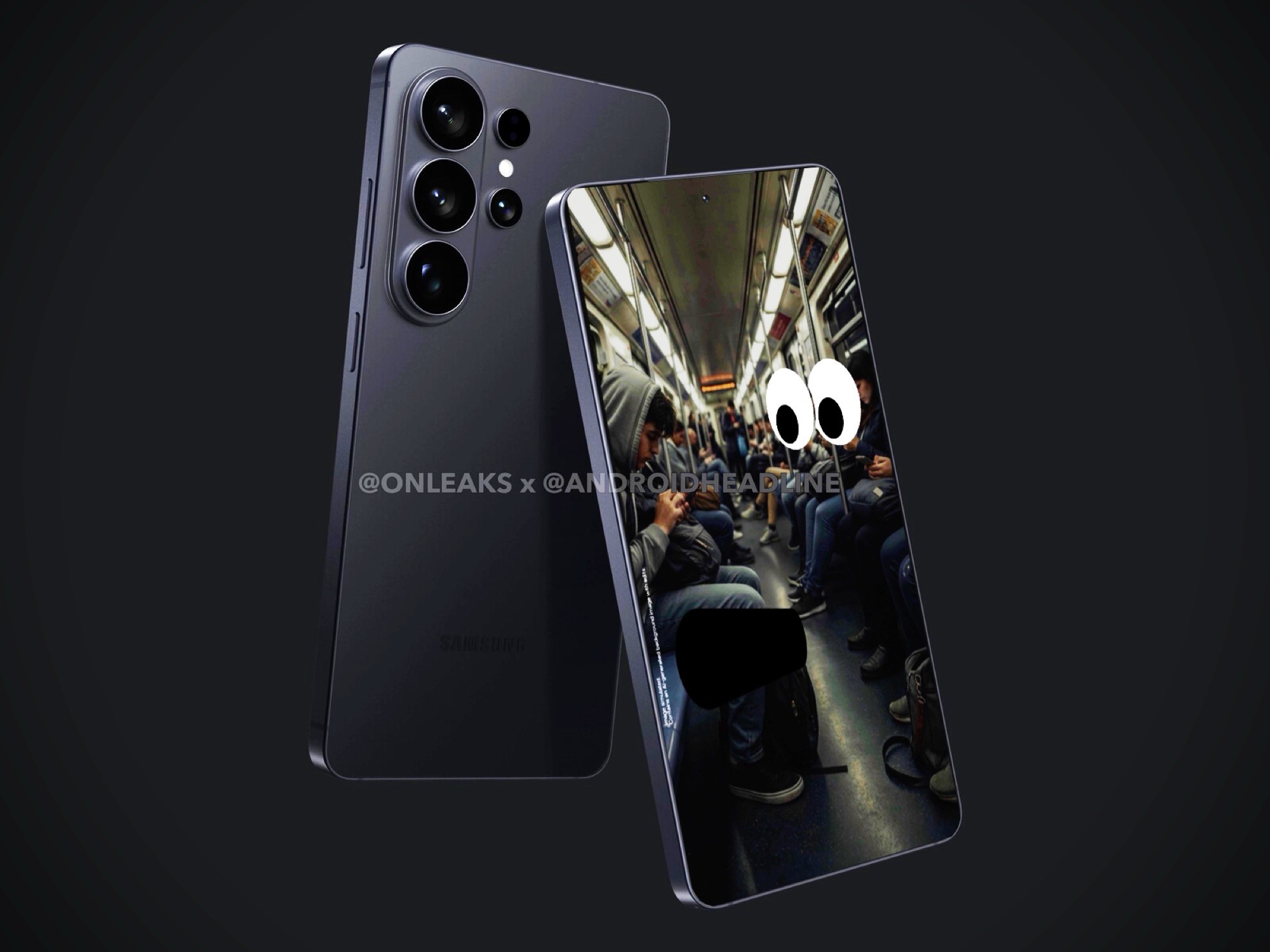
Samsung has revealed a clever new “privacy display” concept for its next premium phone lineup, and it’s already drawing attention as a potential Galaxy S26 Ultra feature ahead of the official launch. The idea is simple but extremely practical: protect what’s on your screen from prying eyes in public without forcing you to live with permanently narrow viewing angles.
Unlike traditional privacy screen protectors or always-on privacy modes that make displays harder to see from the side all the time, Samsung’s approach focuses on smart, temporary activation. The privacy display can be triggered automatically only when it matters most, then switched off so you can enjoy the full, wide viewing angles and rich OLED quality when you’re done.
One of the most interesting possibilities Samsung highlights is automatically enabling the privacy display when sensitive information is being entered, such as passwords. Once the password is typed, the phone can deactivate the privacy effect, returning the screen to normal viewing behavior. That means you get extra protection at the exact moment you need it, without sacrificing everyday usability.
Samsung also says the feature can be set to activate temporarily in specific situations, including when using selected apps or when certain notifications arrive. In other words, you could tailor the privacy display to lock down your screen for banking apps, authentication prompts, password managers, or private messaging alerts—then let everything else display normally.
To show how this feature could help in real life, Samsung points to three common scenarios many smartphone users deal with daily: unlocking your phone in a crowded elevator, reading a personal message while riding a bus, and entering a password on the subway. These are exactly the moments when shoulder-surfing happens most, and where a quick, automatic privacy mode could give users more confidence and control.
Samsung notes that development of this privacy display technology took five years, suggesting it’s more than a minor software trick and may involve significant display-level engineering. If it arrives in a future flagship like the Galaxy S26 Ultra, it could become a standout feature for people who regularly use their phones in public and want stronger privacy without compromising the premium OLED viewing experience.