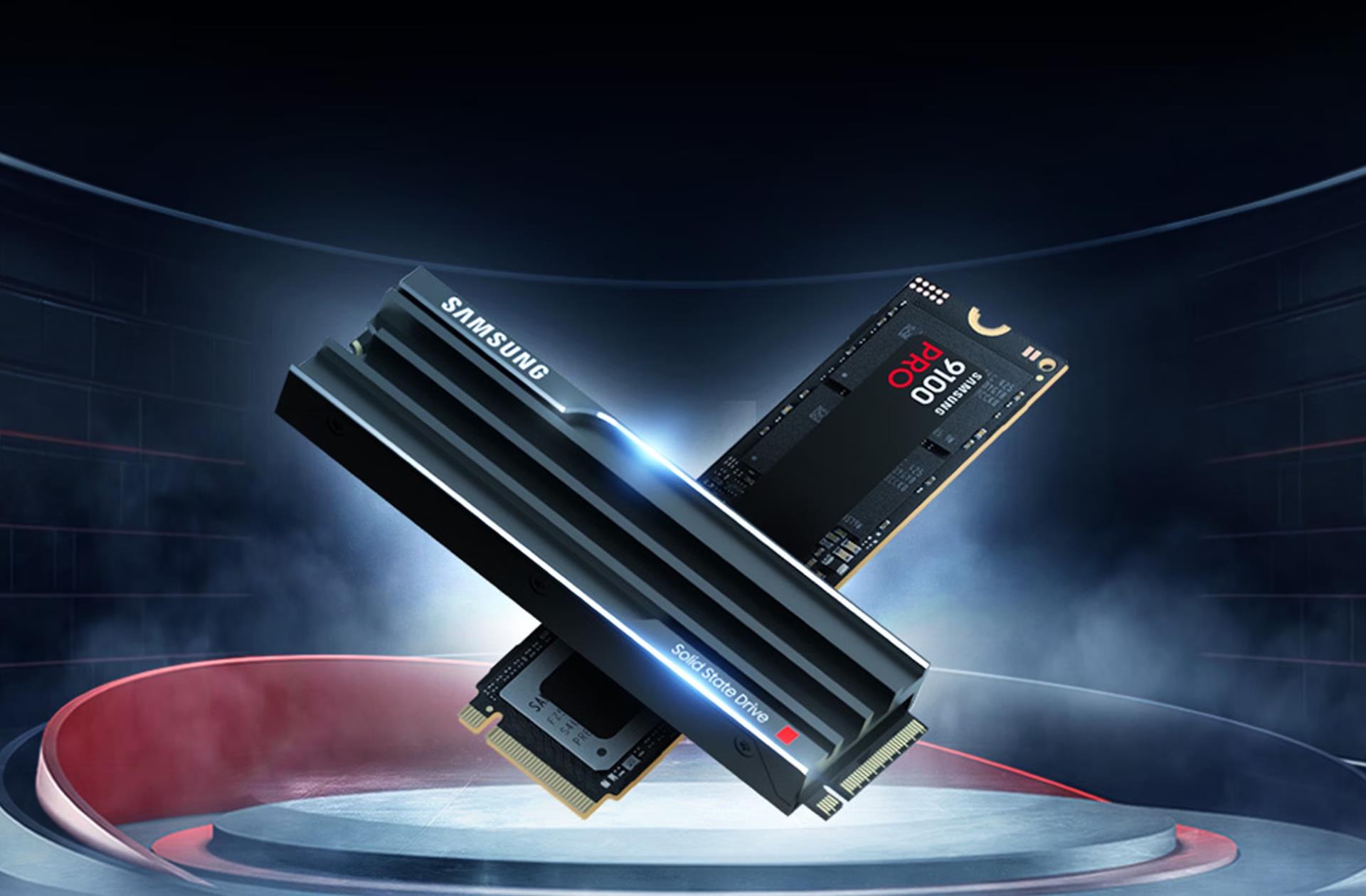
Samsung’s consumer SSD lineup isn’t being phased out, despite recent speculation online. A Samsung Electronics spokesperson has directly denied claims that the company plans to discontinue SATA SSD production, calling the rumor false. That clarification should come as a relief to PC builders, upgraders, and anyone shopping for dependable storage, especially since Samsung is one of the world’s largest NAND flash producers and a major pillar of the global SSD supply chain.
The chatter started as the memory and storage industry gets pulled in two directions at once. On one side is the massive surge in demand from AI-focused companies and cloud service providers that need huge volumes of high-performance memory and storage for data centers. On the other side is the everyday consumer market—laptops, desktops, game libraries, external drives, and upgrade SSDs—still relying on steady supply of affordable NAND-based products like SATA SSDs.
Those competing pressures have created real strain across the supply chain. Manufacturers are wrestling with DRAM and NAND constraints, and shifting production to meet the AI boom isn’t as simple as flipping a switch. As a result, a wide range of products are reportedly facing tighter availability, from general-purpose DRAM categories like GDDR and LPDDR to consumer storage devices such as SSDs and even HDDs. When component availability tightens, PC makers and system integrators often have no choice but to adjust pricing, and that can filter down to higher costs for end buyers.
The situation has been made more sensitive by recent changes in the consumer storage landscape. With at least one major player reducing its presence in consumer SSDs, it’s understandable that buyers would react strongly to any hint that another big brand might follow. That’s exactly why the Samsung rumor spread quickly: if a top-tier NAND supplier were to pull back from SATA SSDs, it could put even more pressure on pricing and availability across the market.
For now, though, Samsung says it’s not happening. Consumers should continue to see Samsung SSDs widely available, including models aimed at everyday upgrades where SATA remains a practical and cost-effective choice for many PCs—particularly older desktops and laptops that don’t support NVMe, or users who simply want reliable storage without overhauling their system.
Even with Samsung keeping its consumer SSD plans intact, the broader bottleneck remains. Industry expectations suggest the supply imbalance won’t disappear overnight, and it may take months before retail availability and pricing feel “normal” again. In the meantime, shoppers looking for SSD upgrades may want to keep an eye on stock levels and pricing trends, especially for popular capacities that tend to sell through fastest during supply crunches.
Bottom line: Samsung is not exiting the consumer SATA SSD market, but the memory and storage supply chain is under heavy pressure thanks to skyrocketing AI-driven demand—and that could still influence PC component pricing and availability in the months ahead.