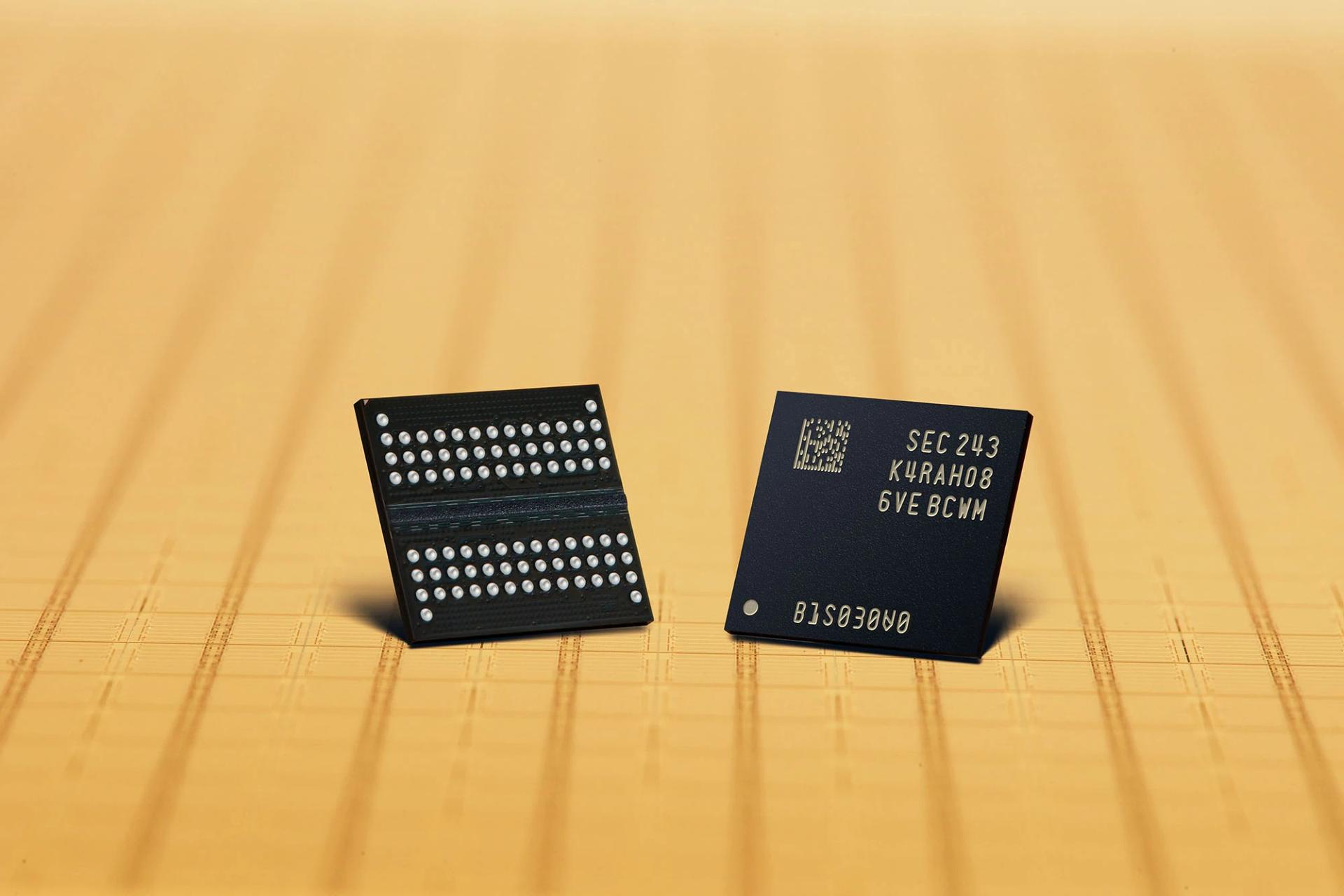
Samsung is reportedly locking in major long-term memory deals with artificial intelligence data center customers, a move that could reshape how the company manages DRAM and NAND production over the next several years.
According to industry reports, five AI data center customers have signed five-year DRAM supply agreements with Samsung. These contracts are designed to guarantee steady memory shipments for customers building large-scale AI infrastructure, while also giving Samsung a more predictable revenue stream and stronger protection against market swings.
The agreements reportedly cover a large portion of Samsung’s memory output. With the latest contract changes, around 60% to 70% of Samsung’s total DRAM and NAND production capacity could be reserved for AI customers. This reflects the rising demand for high-performance memory as companies continue expanding AI servers, cloud computing platforms, and data center operations.
The structure of these deals is especially important for Samsung. Memory makers have often struggled with boom-and-bust cycles, where demand rises sharply, production increases, and then oversupply leads to falling prices and inventory losses. By securing legally binding long-term supply agreements, Samsung can better forecast demand, plan investments, and reduce the risk of unsold inventory.
Reports also suggest that five more AI customers are in final negotiations with Samsung. These contracts may include flexibility for annual discussions, with the possibility of extending the agreements by an additional year. This gives both Samsung and its customers room to adjust based on market conditions, while still keeping long-term commitments in place.
Advance payments appear to be a key part of the new strategy. Samsung has reportedly already collected about 25% of the expected funds from these agreements, although the exact total value has not been disclosed. These upfront payments help secure production capacity for customers and give Samsung stronger financial stability as it expands memory output for AI workloads.
The company is also said to be setting minimum price floors for mainstream memory products. This would help protect Samsung from sudden price drops caused by market volatility. For a company that has previously faced heavy losses during periods of weak memory demand and excess supply, these safeguards are a clear attempt to avoid repeating past mistakes.
AI data center customers are becoming some of the most important buyers in the global memory market. Training and running advanced AI models requires massive amounts of high-bandwidth and high-capacity memory, making DRAM and NAND critical components in modern infrastructure. As a result, companies with deep financial resources are willing to commit large sums to ensure they receive reliable supply.
Samsung’s decision to prioritize AI customers also comes at a time when the memory industry is expected to remain tight for years. Some forecasts suggest memory shortages could continue through 2028, especially as demand from artificial intelligence, enterprise servers, and cloud computing continues to climb.
Samsung is not the only memory manufacturer seeking long-term commitments. Other major memory producers are also pursuing extended supply agreements and strategic partnerships to reduce exposure to short-term market downturns. This shows that the broader semiconductor memory industry is moving toward more predictable, contract-based demand rather than relying solely on spot market pricing.
For Samsung, the timing could be highly beneficial. The company has reportedly posted record-breaking financial results, including Q2 2026 revenue of $120 billion and profit of $62.65 billion. With AI demand accelerating and customers eager to secure supply, Samsung appears to be positioning itself to capture long-term gains while limiting risks.
If these agreements perform as expected, Samsung could strengthen its dominance in the global DRAM and NAND market while benefiting from the continued growth of artificial intelligence infrastructure. The company’s strategy is clear: secure major customers, stabilize pricing, reduce inventory risk, and make the most of the AI-driven memory boom.