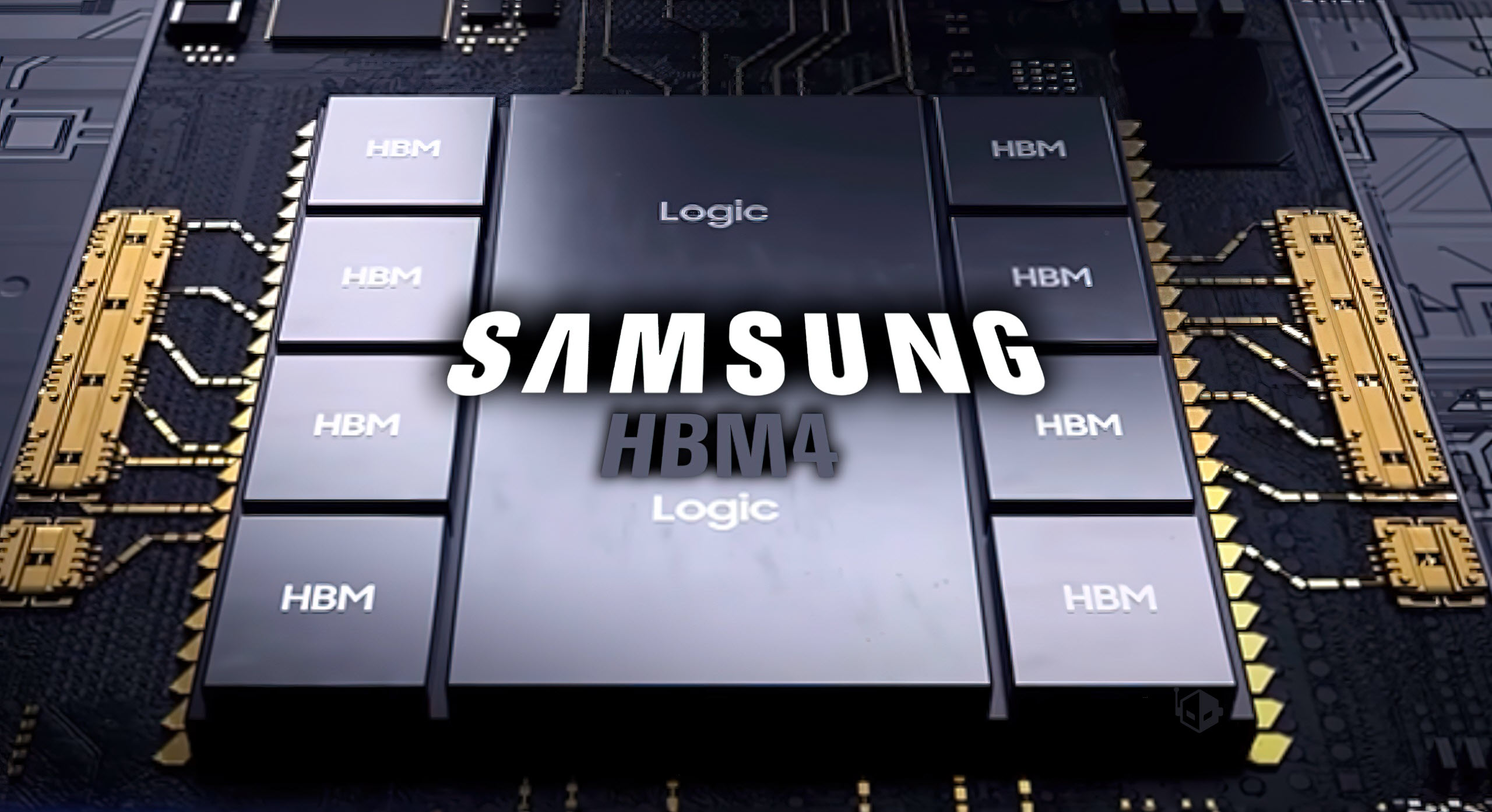
Samsung has clinched a pivotal HBM4 supply deal with NVIDIA, signaling a major step forward for next-generation AI hardware and setting the stage for faster, more efficient data center performance.
The partnership confirms that both companies are collaborating on HBM4, the latest evolution of high-bandwidth memory designed to feed AI accelerators with unprecedented speed and efficiency. Samsung’s upcoming HBM4 modules are built on its 6th‑generation 10‑nm‑class DRAM with a 4 nm logic base die, enabling processing speeds up to 11 Gbps—well beyond the JEDEC standard of 8 Gbps. That performance edge is a key reason NVIDIA tapped Samsung as a supplier, especially with the Rubin AI lineup on the horizon and intensifying competition from alternatives like AMD’s Instinct MI450 series.
For Samsung, the deal is more than just a win; it’s a rebound. After facing headwinds with HBM3, the company’s early lead in HBM4 positions it back at the forefront of the memory race. The new modules promise higher bandwidth, better energy efficiency, and tighter integration for AI and high-performance computing, forming a critical foundation for the next wave of AI-driven infrastructure.
This move also heightens competitive pressure across the industry. With Samsung’s HBM4 reportedly outpacing current offerings from SK hynix and Micron, rivals are expected to accelerate their own HBM4 roadmaps to keep pace.
Why it matters:
– HBM4 speeds up to 11 Gbps exceed the 8 Gbps JEDEC standard, unlocking faster training and inference.
– Built on advanced 10‑nm‑class DRAM with a 4 nm logic base die, enabling high efficiency and scalability.
– Strategic supply to NVIDIA strengthens the ecosystem for upcoming AI GPUs and data center platforms.
– Marks a resurgence for Samsung in the HBM market and intensifies competition among major DRAM manufacturers.
As AI models grow larger and more complex, memory bandwidth has become just as critical as raw compute. With this deal, Samsung and NVIDIA are laying the groundwork for the next generation of AI systems—where HBM4 could be the decisive factor in performance, power efficiency, and time-to-train.