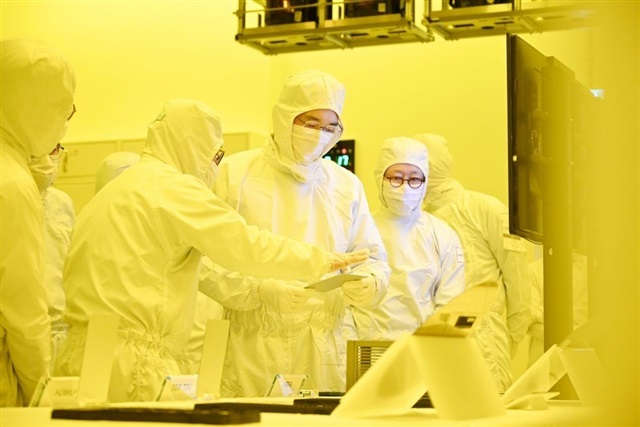
Samsung Electronics is introducing a new stock-based rewards program, signaling a bold push to attract and retain top-tier talent in an increasingly competitive global labor market. By tying compensation more closely to company performance, the move aims to deepen employee loyalty, boost innovation, and strengthen Samsung’s position as an employer of choice for world-class engineers, designers, and leaders.
Why this matters now
Across the technology sector, the competition for highly skilled professionals has never been fiercer. Offering equity has become a powerful way to stand out, especially for candidates who weigh long-term upside and a sense of ownership alongside salary and benefits. Samsung’s decision underscores the company’s intent to align employees with its long-term strategy and to reward those who help drive growth, product breakthroughs, and operational excellence.
What stock-based rewards typically mean
While program specifics aren’t detailed here, stock-based rewards usually come in forms such as restricted stock units (RSUs) or stock options, often paired with a vesting schedule. This approach encourages employees to stay and contribute over multiple years, fostering a stronger connection between day-to-day work and the company’s future.
Potential benefits for employees
– A direct stake in the company’s success, turning contributions into tangible long-term value
– Competitive, market-aligned compensation that reflects evolving industry standards
– Greater motivation to innovate, collaborate, and deliver on strategic goals
– A clearer path to building wealth over time through vested shares
Potential benefits for Samsung
– Stronger retention of high performers and mission-critical talent
– A sharper edge in recruiting experienced professionals and promising graduates
– Better alignment between individual performance and corporate objectives
– A more engaged culture focused on quality, speed, and breakthrough results
What it could signal about Samsung’s strategy
Introducing stock-based incentives suggests a sharpened focus on long-term execution. Equity rewards are known to:
– Reinforce a performance-driven culture, where ownership mindset drives daily decisions
– Encourage cross-functional collaboration to deliver measurable outcomes
– Support sustained investment in research, advanced manufacturing, and next-generation products
Considerations for stakeholders
For employees, understanding how vesting, performance criteria, and tax implications work will be key to maximizing the benefits of equity compensation. For investors, equity programs can modestly increase share count, but they often pay for themselves when they help reduce turnover, accelerate product roadmaps, and elevate company performance.
How success might be measured
– Improved employee retention rates in critical roles
– Stronger hiring pipelines for hard-to-fill positions
– Higher engagement and satisfaction scores
– Faster time-to-market for key products and platforms
– Measurable gains in patents, design wins, and productivity
The bottom line
A well-structured stock-based rewards program can be a powerful lever for attracting elite talent and motivating teams to think like owners. By rolling out equity incentives, Samsung Electronics is not only enhancing its compensation model but also reinforcing a long-term vision centered on innovation, execution, and shared success. As the program takes shape, its impact will likely be felt across hiring, culture, and the company’s ability to deliver the products and experiences that define the next era of technology.