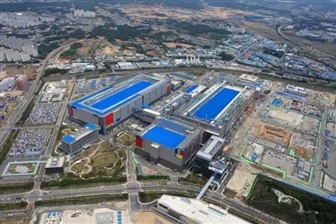
Samsung is reviving construction of its P5 semiconductor plant at the second campus in Pyeongtaek, South Korea, with operations targeted to begin in 2028. The project had been on hold during a weak memory market, but the renewed push aligns with growing signs of a memory supercycle and rising demand across data centers, AI infrastructure, and next‑gen devices.
P5’s restart signals a strategic bet on the next phase of the memory upturn. After an extended downturn marked by inventory corrections and price pressure, the industry is pivoting toward tighter supply and healthier pricing as demand builds for high-performance memory used in AI training and inference, cloud computing, and increasingly capable smartphones and PCs. Bringing a new plant online in 2028 positions Samsung to capture that demand as it matures rather than rushing capacity into a still-fragile market.
Why this matters:
– Timed capacity: A 2028 start helps align supply with the anticipated peak of demand, rather than oversupplying during recovery.
– Competitive positioning: Expanding advanced memory production underpins leadership in DRAM and NAND as workloads become more data‑intensive.
– Price stability: A disciplined, multi‑year ramp can support more stable pricing compared to rapid, procyclical expansions.
– Ecosystem impact: A major fab project can strengthen the broader semiconductor supply chain and spur equipment and materials activity.
Analysts view the move as a confidence signal that the memory supercycle is taking shape, with improving fundamentals expected over the coming years. At the same time, they note that pacing is critical: bringing on capacity too quickly risks undercutting the upcycle, while a measured build helps balance supply and demand.
What to watch as P5 progresses:
– Product focus: Whether the plant prioritizes leading-edge DRAM, advanced NAND, or memory tuned for AI‑heavy workloads.
– Ramp cadence: Construction milestones and trial production timelines that indicate how quickly output will scale toward 2028.
– Technology choices: Adoption of next‑generation manufacturing techniques to improve density, performance, and power efficiency.
– Market health: Pricing trends, inventory levels, and demand signals from cloud providers, device makers, and enterprise buyers.
After a pause driven by a soft market, restarting P5 underscores a longer‑term view: the next wave of data growth and AI adoption will require substantial, efficient memory capacity. Setting the plant on a 2028 operational timeline gives Samsung room to build for that future while riding the momentum of a strengthening memory cycle.