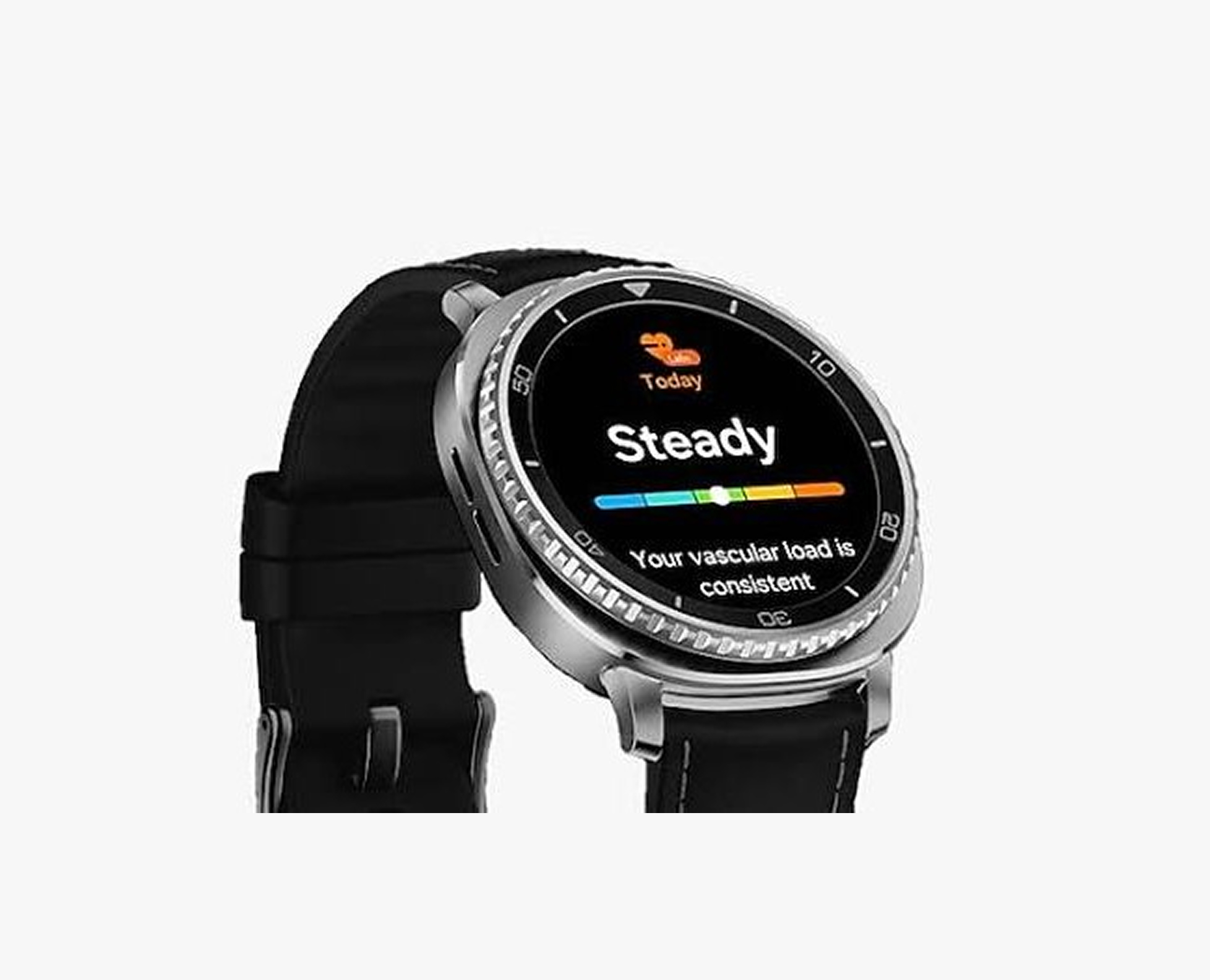
Samsung is preparing a major health-tracking change for Galaxy Watch users in the United States. The company is removing its experimental Vascular Load tracking feature and replacing it with a new Blood Pressure Trend tool designed to give users a broader view of their cardiovascular patterns over time.
The Vascular Load feature, introduced last year, was created to help Galaxy Watch owners understand how much stress their blood vessels may be experiencing. It worked as a passive wellness metric, giving users another way to track changes in their body during rest, sleep, and daily activity. However, Samsung has now notified users that the feature will be discontinued in the US in late July.
The removal is expected to happen alongside the release of One UI Watch 9 and Samsung Health version 7.0. For now, the change appears to apply only to Galaxy Watch users in the United States, which suggests that regional health regulations may have played a role in Samsung’s decision.
In place of Vascular Load, Samsung is introducing Blood Pressure Trend, a new feature focused on long-term cardiovascular insights. Rather than offering a single reading, the tool is expected to help users follow changes in their blood pressure patterns over an extended period. This could make it useful for people who want to better understand how lifestyle, exercise, stress, and sleep may affect their overall heart health trends.
There is one important difference, though. Unlike Vascular Load, which worked more passively, Blood Pressure Trend will require calibration with a traditional blood pressure cuff before it can begin tracking data. Samsung’s existing blood pressure monitoring feature also uses this approach and requires users to recalibrate with a dedicated cuff every 28 days to help maintain accuracy.
Samsung expanded standard blood pressure tracking to Galaxy Watch users in the US earlier this year, making the upcoming Blood Pressure Trend feature a natural next step for the company’s wearable health platform. Still, the reason behind removing Vascular Load while keeping other blood pressure tools available remains unclear, especially since Samsung’s blood pressure features have not received formal FDA clearance.
The new Blood Pressure Trend feature is expected to arrive on upcoming Galaxy Watch models, including the next-generation Galaxy Watch lineup and future Ultra models. It is not yet confirmed whether older Galaxy Watch devices will receive the feature after the One UI Watch 9 update.
For Galaxy Watch users who relied on Vascular Load tracking, the change may be disappointing. But Samsung’s shift toward Blood Pressure Trend shows that the company is continuing to invest in more advanced smartwatch health features. As wearable devices become increasingly focused on wellness and preventive insights, Galaxy Watch users can expect blood pressure tracking and heart health monitoring to remain a major part of Samsung’s smartwatch strategy.