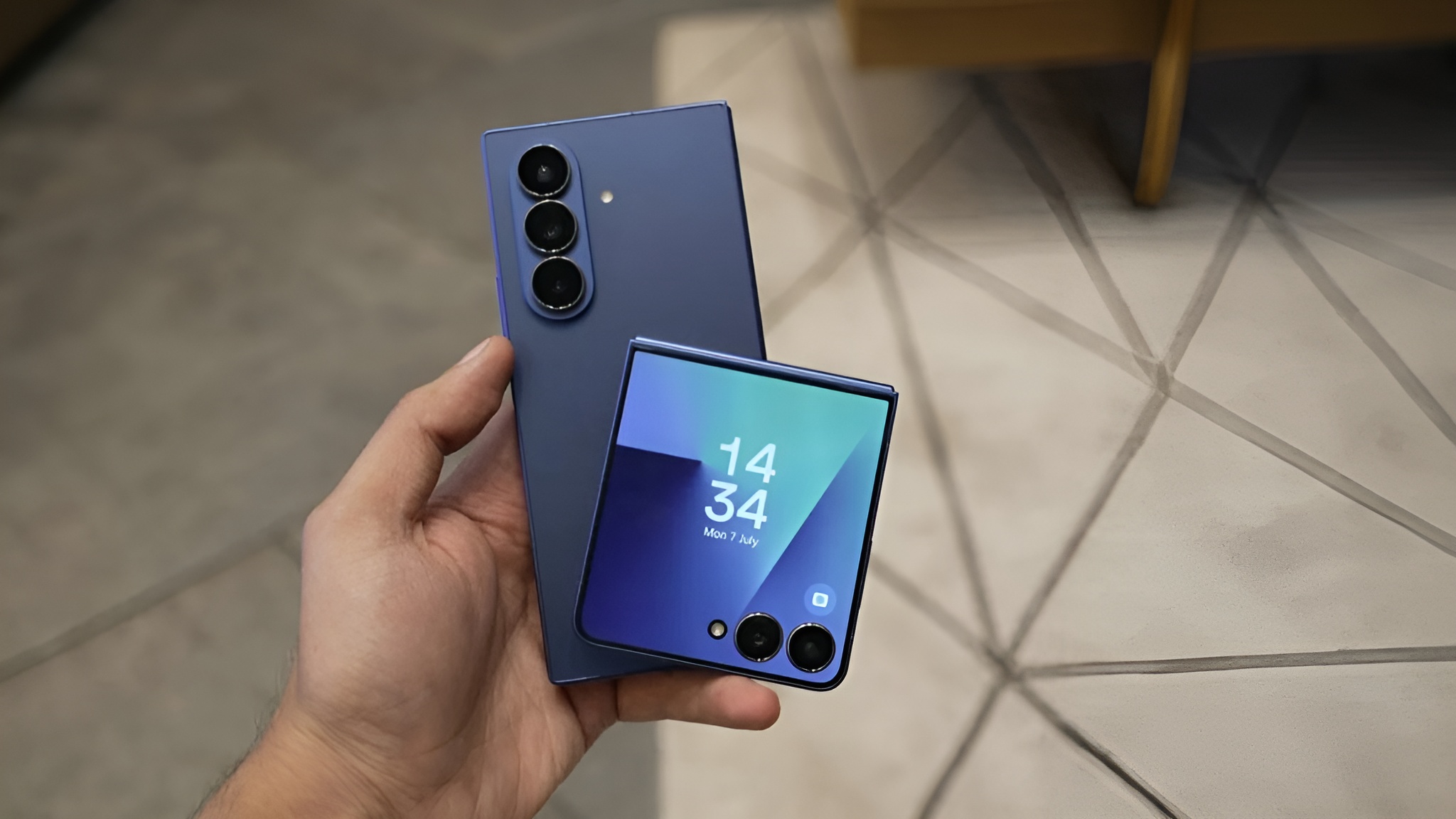
Samsung is setting up an unusual production strategy for its next wave of smartphones, and it signals a major shift in how the company thinks foldables will sell in 2026. Early plans indicate Samsung will manufacture more Galaxy Z Fold 8 units than Galaxy Z Flip 8 devices, even though the Flip line has traditionally been the higher-volume, more affordable option.
Based on reporting from South Korea’s ET News, Samsung is targeting an initial production run of around 3.5 million units for the Galaxy Z Fold 8. In comparison, the company is reportedly planning between 2.5 million and 3 million units of the Galaxy Z Flip 8 ahead of their expected launch in the second half of 2026. If these numbers hold, it would mark the first time Samsung’s book-style foldable is produced in greater volume than its clamshell foldable during a yearly cycle.
That’s a big deal because the Galaxy Z Flip series has historically been the “mass-market” foldable—more widely accessible, and usually far more popular. In South Korea, Flip models are typically priced about 1 million won (roughly $691) less than Fold models, which has long helped the Flip dominate the foldable sales mix. In many past years, the Flip lineup reportedly accounted for about 60% to 70% of Samsung’s total foldable sales.
So why is Samsung flipping the script? The new production split is said to be influenced by recent sales trends. For the first time, Samsung’s Fold devices reportedly outperformed the Flip in sales volume in the previous cycle. That change was tied to the Galaxy Z Fold 7, which stood out by becoming lighter than the Galaxy S25 Ultra while also pushing thickness down to just 8.9mm—improvements that likely made the larger Fold form factor feel less like a compromise and more like a premium everyday phone.
Samsung’s confidence around high-end foldables also seems to align with its broader pricing approach. The company recently introduced the Galaxy Z TriFold in the United States with a steep $2,899 price tag, suggesting Samsung believes there’s a strong audience that prioritizes cutting-edge design and features over affordability when it comes to foldable phones.
One important note: these production figures don’t include any potential Galaxy Z Fold 8 FE model, which may or may not launch. If it does arrive, it could further reshape Samsung’s foldable lineup strategy—especially if it’s positioned to bring Fold-style hardware to a wider audience.
With the Galaxy Z Fold 8 and Galaxy Z Flip 8 expected in H2 2026, Samsung’s early production plans hint that the next phase of foldables may be less about “cheap vs. premium” and more about what form factor buyers now prefer—especially as Fold devices become thinner, lighter, and easier to carry as a daily driver.


