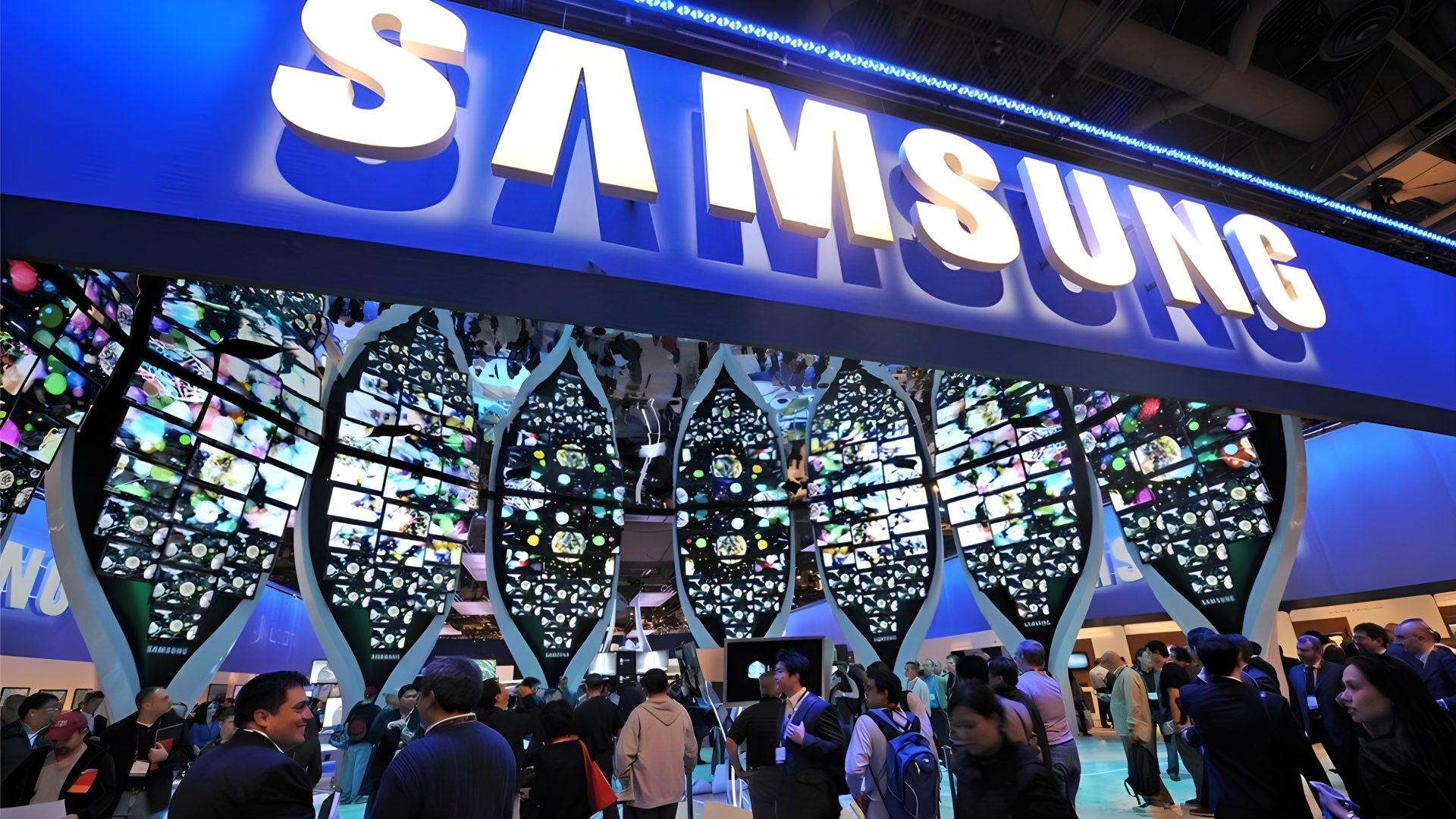
Samsung’s momentum in 2026 is starting to look unstoppable. The South Korean tech giant is already riding a powerful upswing in earnings, and now it has reportedly landed another major boost: a three-year exclusive deal to supply foldable displays for Apple’s future foldable iPhone.
The timing couldn’t be better for Samsung. The company is expected to post operating profit of about 57.2 trillion won (around $37.8 billion) for Q1 2026, representing a staggering 700% increase compared with the same period a year earlier. That surge also marks a sharp sequential jump of roughly 184% from the 20.1 trillion won operating profit reported in Q4 2025, underscoring just how quickly Samsung’s profitability is accelerating.
Looking beyond the current quarter, some analysts are projecting even bigger numbers. Estimates suggest Samsung could generate operating profit of roughly 327 trillion won in 2026, followed by an eye-popping 488 trillion won in 2027. If those projections hold, Samsung could end up becoming the world’s most profitable company, edging past rivals—even those currently dominating the AI and compute boom.
Now, the reported Apple agreement adds another layer to Samsung’s advantage. Industry coverage from South Korea indicates Apple will rely exclusively on Samsung for foldable display panels for the next three years. For Samsung, that means a high-value, high-profile customer locked in during what could become the breakout era for foldable iPhones.
For Apple, the exclusivity appears to be driven by practical limitations. Alternatives reportedly aren’t where Apple needs them to be for a product this complex. BOE is often viewed as behind on foldable OLED performance and consistency, while LG Display doesn’t have a proven history of shipping foldable panels for this kind of demanding, large-scale flagship launch.
What makes the decision even more understandable is the rumored complexity of Apple’s foldable screen design. The device—widely expected to be branded as iPhone Fold or possibly iPhone Ultra—could use a sophisticated stack where the display layer sits between dual layers of ultra-thin glass or ultra-thin flexible glass. The goal is to reduce friction near the hinge, distribute folding stress more evenly, and minimize the crease that has long been the biggest visual compromise in foldable phones.
One report claims Apple is targeting a crease depth of just 0.15mm, an extremely tight engineering target. Reaching that kind of finish at scale demands deep manufacturing experience, high yields, and reliable quality control—areas where Samsung’s years of foldable development give it a significant edge.
Put it all together and Samsung’s outlook looks even stronger: a booming profit cycle, aggressive long-term projections, and a premium multi-year supply deal that could help define the next chapter of the smartphone market. If Apple’s foldable iPhone arrives as expected, Samsung won’t just be competing in foldables—it may be powering the category’s most important launch.