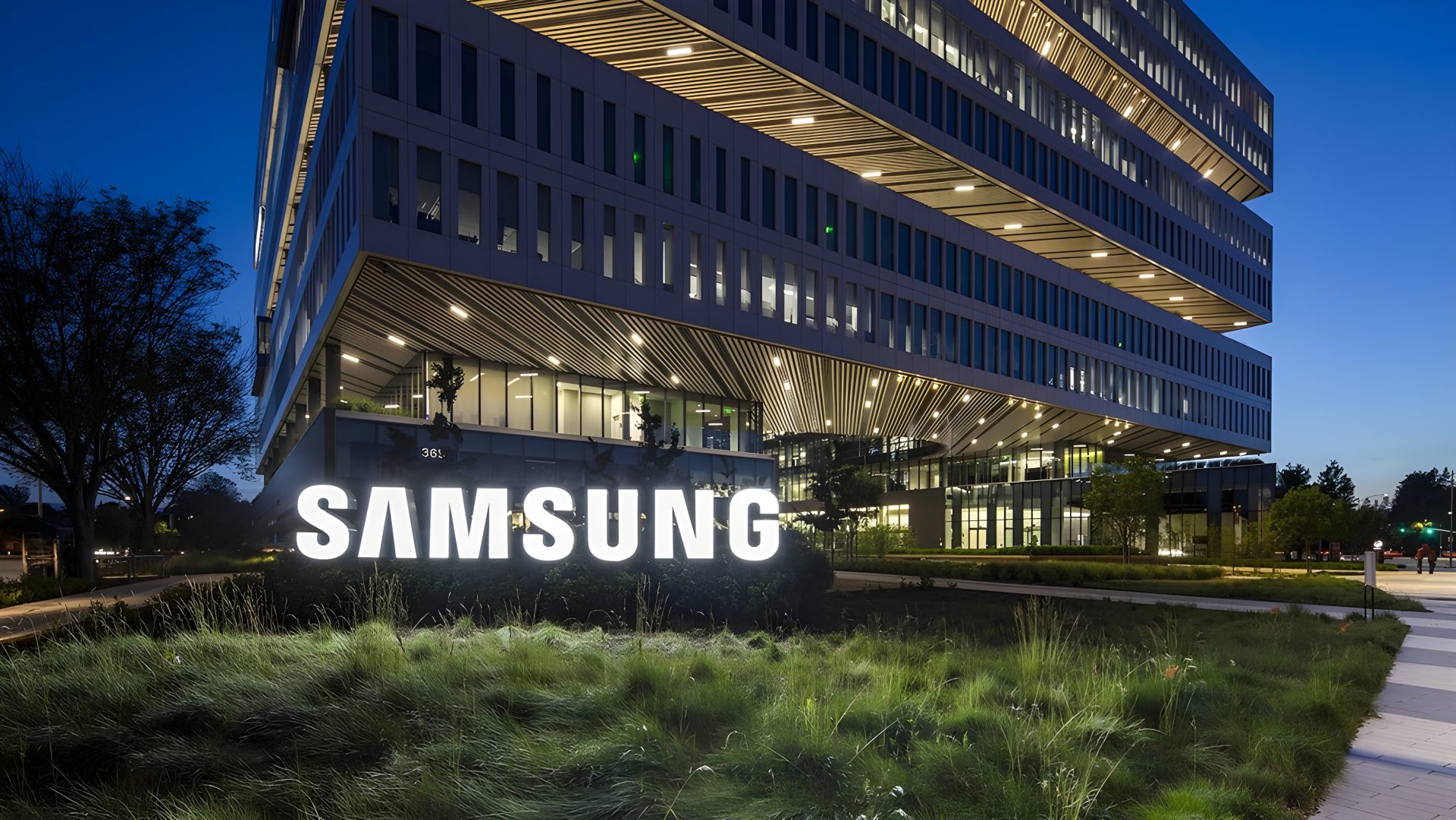
Samsung is heading into its first-quarter 2026 earnings release with guidance that’s turning heads across the tech and finance worlds. The company’s latest outlook signals a massive jump in profitability, fueled largely by a powerful upswing in the memory market, and it suggests the current boom in DRAM demand and pricing still has plenty of momentum left.
For Q1 2026, Samsung expects total revenue of about 133 trillion won (roughly $88.3 billion). That’s well above the market’s earlier consensus estimate of 116.81 trillion won, highlighting how strongly performance is tracking compared with expectations.
The bigger headline, though, is operating profit. Samsung forecasts Q1 2026 operating profit of approximately 57.2 trillion won (about $37.8 billion). That amount represents a staggering 700% increase compared with the same quarter a year ago. It’s also a major sequential leap of roughly 184% from the 20.1 trillion won operating profit Samsung posted in Q4 2025. Put simply, this is not only rapid growth, it’s record-setting growth, with guidance indicating operating profit more than triple the company’s previous quarterly high.
So what’s driving numbers of this magnitude? The clearest factor is memory. Samsung’s profits have long been sensitive to the memory cycle, and right now that cycle is working strongly in its favor. The company is seeing DRAM pricing strengthen sharply, with reports indicating quarter-over-quarter price premiums of around 30%. Even more striking, those increases follow an average year-over-year DRAM price jump of about 100% in Q1 2026. When pricing expands at that pace in a business as large as Samsung’s memory segment, it can transform earnings in a hurry.
This kind of guidance is also shaping longer-term expectations. Some analysts are now projecting exceptionally high operating profits for Samsung in the years ahead, with estimates reaching 327 trillion won for 2026 and 488 trillion won for 2027. If results end up anywhere near those levels, Samsung would be positioned not just as a dominant force in semiconductors, but as one of the most profitable companies on the planet.
All eyes now turn to Samsung’s full Q1 2026 earnings disclosure for more detail, including segment-by-segment performance and how much of this surge is being powered by memory versus other parts of the business. But based on the guidance alone, one message is clear: Samsung’s memory-led earnings resurgence isn’t fading, it’s accelerating.