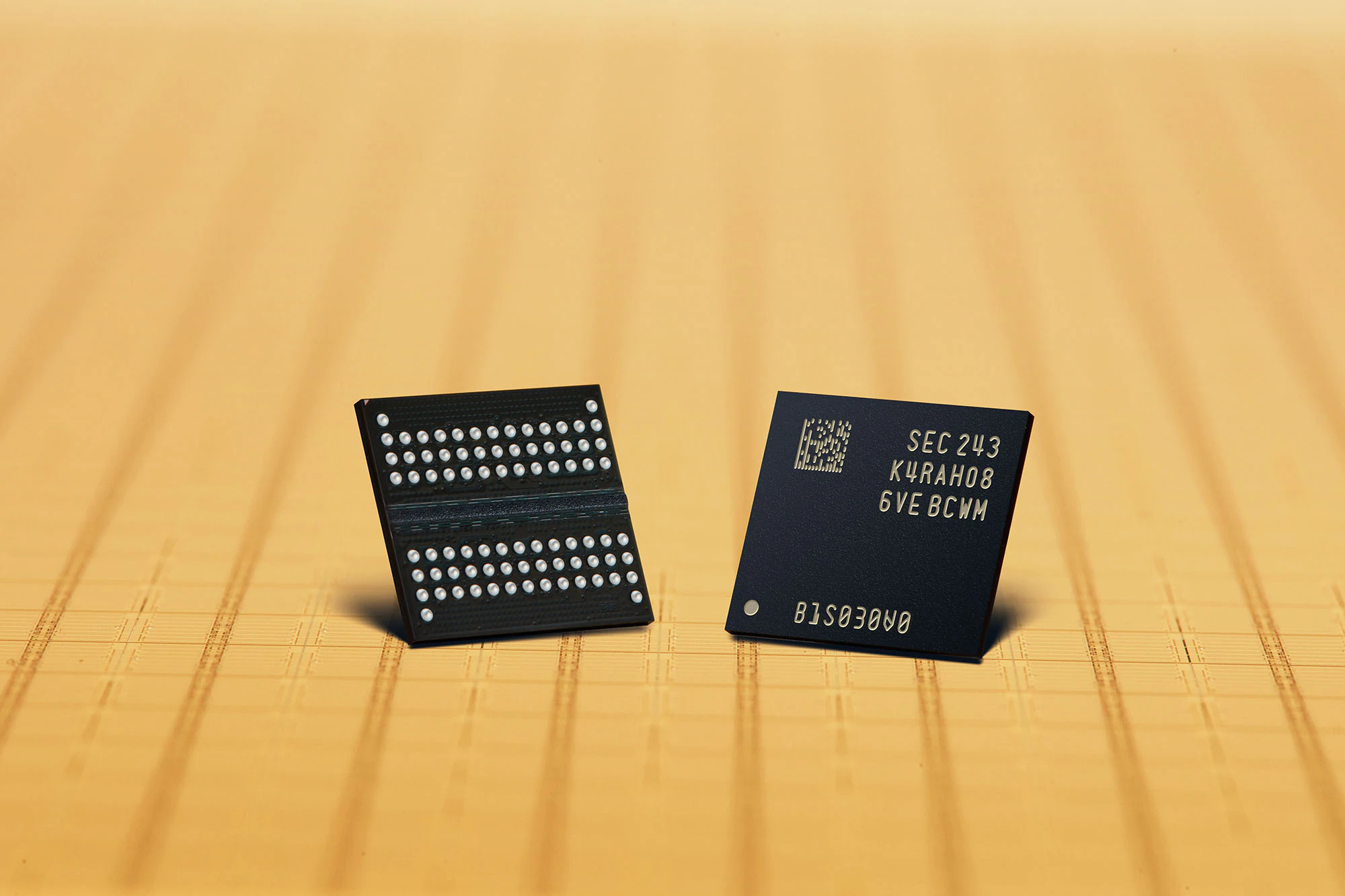
Samsung is forging a new path in memory technology with an innovative approach using advanced computational techniques. By simulating a staggering 4,000 combinations of chalcogenide materials, the company has identified 18 promising candidates that show potential for Selector-Only Memory (SOM) applications. This breakthrough could signify a dramatic leap in memory design by merging the non-volatile benefits of flash storage with the speed of DRAM.
Selector-Only Memory uses chalcogenide materials that function simultaneously as memory cells and selectors. This design eliminates the need for traditional transistors found in other phase-change or resistive RAM technologies. Through intricate simulations, Samsung evaluated various properties, including the materials’ bonding characteristics, thermal stability, and electrical behavior. The focus was on factors like threshold voltage drift and the stability of the memory window, which are crucial for maintaining distinct on and off states.
Samsung is scheduled to present these groundbreaking findings at the International Electron Devices Meeting in San Francisco in December. The company believes its computational strategy could uncover high-performance materials that conventional lab testing might overlook. This advancement follows their presentation at IEDM 2023, where Samsung showcased a 64Gbit OTS-based SOM featuring compact 16nm memory cells.
This strategy highlights Samsung’s commitment to staying ahead in the fast-evolving tech landscape and illustrates how computational modeling can open doors to discovering innovative and efficient memory solutions. As the tech world watches closely, these developments could set the stage for the future of memory technology.