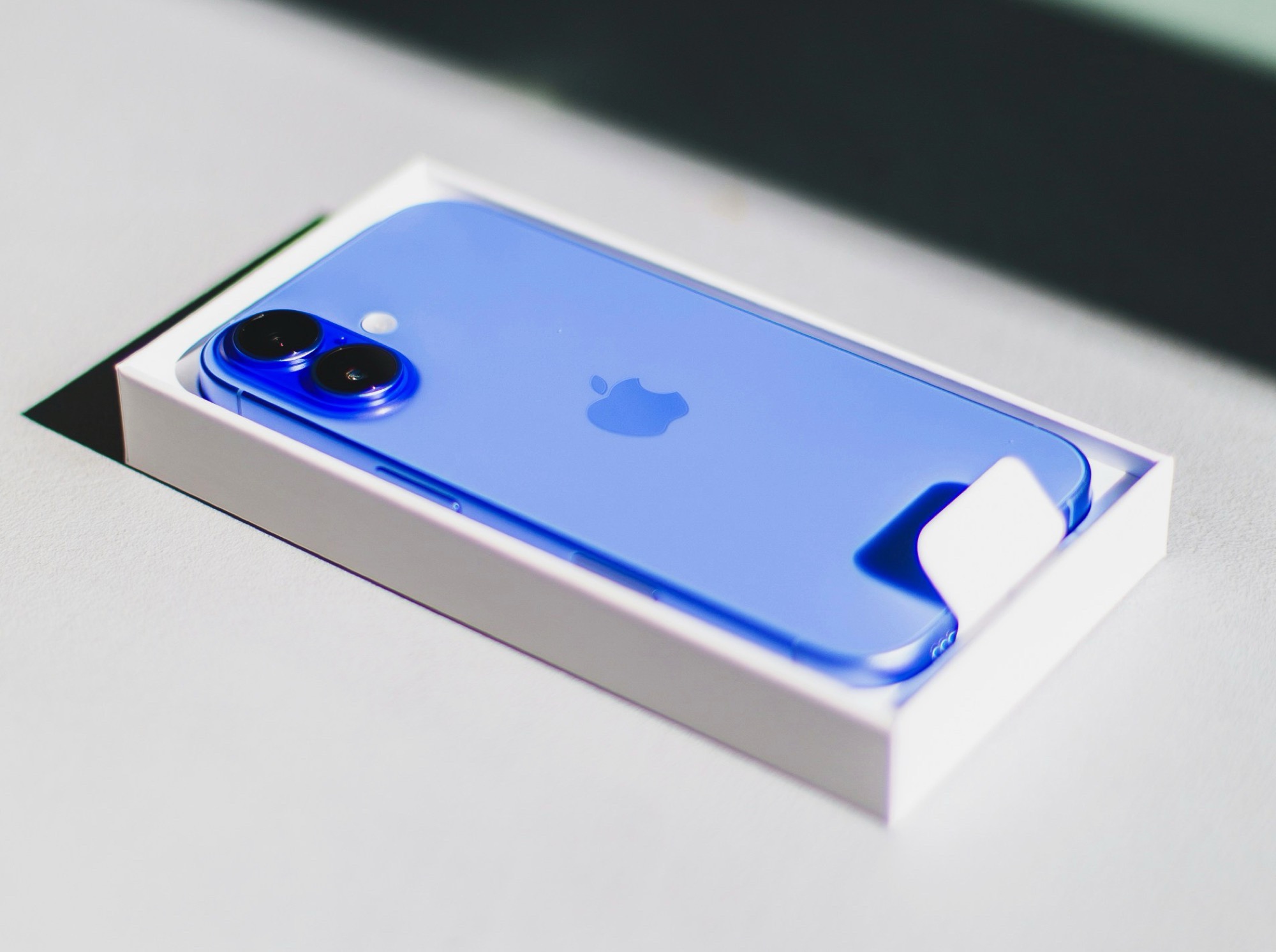
The latest Apple iPhone 16, surprisingly, scored just 142 points in DxOMark’s meticulous display analysis. This score is rather underwhelming for a high-end smartphone in its price bracket, especially when compared to its competitors. The Samsung Galaxy A35 5G and Google Pixel 8a slightly outshine it with scores of 143 and 145 respectively, while the Pixel 9 Pro XL stands out with a score of 158.
The iPhone 16, similar to its predecessor, features a 6.1-inch OLED display running at 60 Hz, with a resolution of 2,556 x 1,179 pixels. It’s designed to achieve a peak brightness of 2,000 nits under direct sunlight. However, DxOMark’s tests recorded a maximum brightness of just 1,969 nits, quite lower compared to the Samsung Galaxy S24, which boasts an impressive 2,548 nits. Even so, DxOMark asserts that the iPhone’s screen brightness is adequate for sufficient visibility outdoors.
One critique from DxOMark is regarding SDR content, which appears too dim and lacks contrast in low-light settings. Additionally, for HDR10 content, users might experience notable fluctuations in brightness levels. On the brighter side, the touchscreen remains responsive, albeit with occasional hiccups when using the new capture button.
As phone enthusiasts around the globe eagerly examine the newest gadgets, it’s evident that Apple will need to step up its game in future models to keep pace with, or surpass, its fierce competitors in the ever-evolving smartphone market.