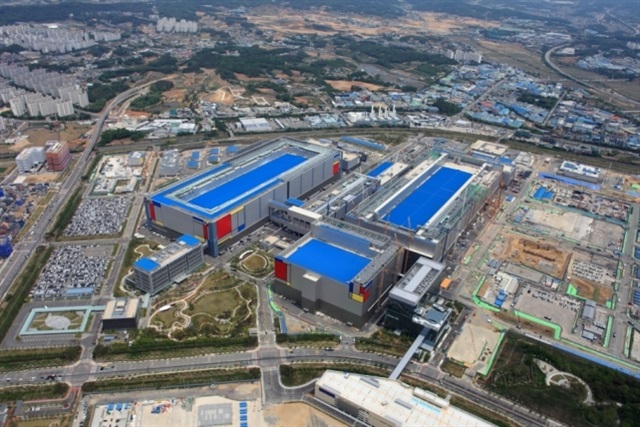
Samsung Electronics is taking a bigger step toward smarter chip manufacturing by creating a dedicated team focused on developing and deploying robots inside its semiconductor fabrication plants. The move signals the company’s growing commitment to automation as it works to improve efficiency, reliability, and productivity across its chip production operations.
The first major area expected to benefit from this robotics push is equipment preventive maintenance, often referred to as PM. In semiconductor fabs, preventive maintenance is essential because chipmaking equipment must operate with extreme precision. Even small delays, errors, or unexpected downtime can affect production schedules and output quality.
By introducing robots into maintenance-related tasks, Samsung aims to reduce reliance on manual work in areas that still require significant human involvement. Robots could help carry out repetitive, time-sensitive, or physically demanding maintenance activities, allowing engineers and technicians to focus on more advanced inspection, troubleshooting, and process optimization.
This new robotics organization is especially important as semiconductor manufacturing becomes more complex. Modern fabs run highly advanced equipment around the clock, and maintaining these tools is a major part of keeping production stable. Automation can help ensure that maintenance is performed more consistently, while also supporting safer working conditions for fab employees.
Samsung’s decision also reflects a broader trend in the global semiconductor industry. Chipmakers are increasingly investing in smart factory technologies, including artificial intelligence, robotics, advanced sensors, and automated material handling systems. These tools are becoming critical as companies race to improve production yields, reduce downtime, and meet rising demand for advanced chips used in smartphones, data centers, artificial intelligence systems, vehicles, and consumer electronics.
For Samsung, deploying robots in fabs could offer several long-term advantages. More automated maintenance may help shorten equipment service times, improve process consistency, and reduce the risk of human error. It may also support better use of workforce resources at a time when skilled semiconductor technicians and engineers remain in high demand.
While preventive maintenance is expected to be the starting point, the creation of a dedicated fab robotics team suggests Samsung may have broader plans for automation in semiconductor production. Over time, robots could potentially be used in additional fab operations where precision, repeatability, and safety are priorities.
The initiative highlights Samsung’s continued effort to strengthen its semiconductor business through next-generation manufacturing technologies. As competition in the chip industry intensifies, companies that can operate cleaner, faster, and more reliable fabs will be better positioned to lead in advanced semiconductor production.
Samsung’s investment in fab robotics shows that the future of chip manufacturing will not only depend on smaller process nodes and more powerful designs, but also on how efficiently and intelligently factories can operate. By targeting preventive maintenance first, Samsung is focusing on one of the most practical and valuable areas for automation inside its semiconductor fabs.