Lam Research Executive Says AI and Collaborative Robots Will Shape the Future of Chip Fabs
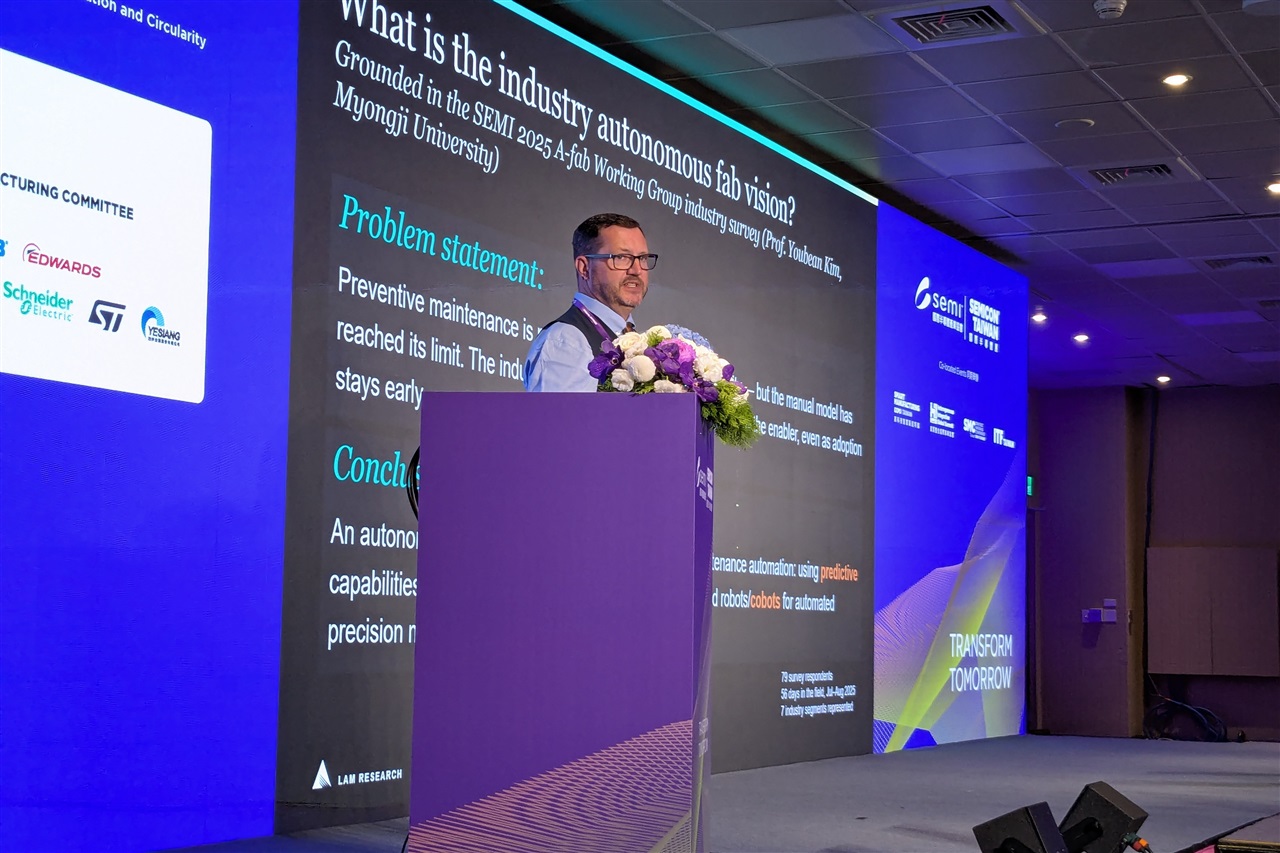
A senior executive at Lam Research has suggested that the next big transformation in semiconductor manufacturing will not be about replacing people with fully autonomous factories. Instead, the future of chip production may depend on a smarter partnership between skilled workers, collaborative robots, and AI-powered maintenance systems.
Speaking to an industry audience this week, the executive emphasized that modern semiconductor fabs are already among the most advanced manufacturing environments in the world. However, as chipmaking becomes more complex, fabs face growing pressure to reduce downtime, improve yield, and keep expensive equipment running with greater precision. According to the executive, automated preventive maintenance could become one of the most important tools for meeting those challenges.
Rather than waiting for tools to fail or relying only on scheduled maintenance, AI-driven systems can analyze equipment data in real time and detect early warning signs before problems disrupt production. This predictive approach can help chip manufacturers avoid costly shutdowns, extend the life of critical machinery, and improve consistency across the manufacturing process.
Collaborative robots, often designed to work safely alongside human operators, are expected to play a central role in this shift. These systems can handle repetitive, delicate, or time-sensitive tasks while human experts focus on decision-making, troubleshooting, and process optimization. In highly controlled fab environments, where precision and cleanliness are essential, robots can also help reduce variability and support more reliable operations.
The message from Lam Research reflects a broader trend across the semiconductor industry. As demand rises for advanced chips used in artificial intelligence, smartphones, data centers, electric vehicles, and high-performance computing, manufacturers are searching for ways to increase efficiency without compromising quality. Building new fabs requires massive investment, but improving the productivity of existing facilities can also deliver major gains.
AI-based predictive maintenance is especially valuable because semiconductor equipment is extremely expensive and highly specialized. Even a short period of unplanned downtime can affect production schedules and increase costs. By using data from sensors, machine learning models, and automated monitoring platforms, fabs can identify patterns that human teams might miss and respond before minor issues become major failures.
The executive also made it clear that people will remain essential in next-generation semiconductor fabs. While automation can improve speed and accuracy, human knowledge is still needed to manage complex processes, interpret unexpected results, and make strategic decisions. The goal is not to remove workers from the fab, but to give them better tools and reduce the burden of routine maintenance tasks.
This human-machine collaboration could become a defining feature of future chip manufacturing. Engineers and technicians may increasingly work with intelligent systems that recommend maintenance actions, prioritize alerts, and guide repairs. Over time, these technologies could help fabs operate more smoothly while supporting the production of smaller, faster, and more power-efficient chips.
The semiconductor industry is entering a period where manufacturing excellence is just as important as chip design. Companies that can reduce equipment downtime, improve yield, and make better use of automation may gain a significant competitive advantage. Lam Research’s focus on automated preventive maintenance highlights how critical factory intelligence is becoming in the race to produce next-generation semiconductors.
As chip demand continues to grow worldwide, the fabs of the future are likely to be more connected, more predictive, and more collaborative. AI and robotics may not replace human expertise, but they are set to transform how that expertise is applied on the manufacturing floor.