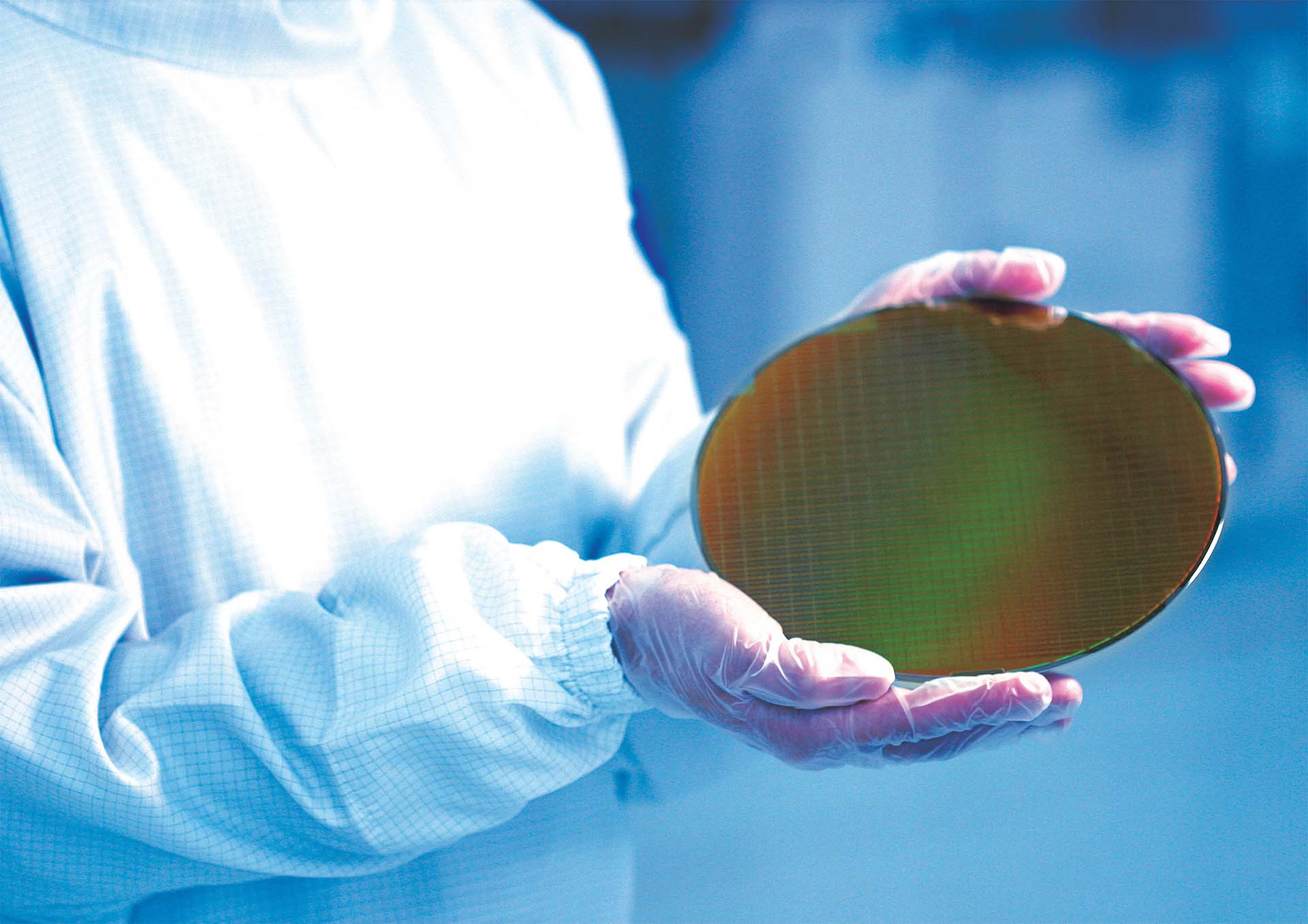
Samsung’s foundry business has been making notable efforts to compete with industry leader TSMC but has struggled to close the gap. Despite several attempts to attract new customers for its advanced 3nm GAA wafers, due to production challenges, Samsung has yet to achieve the success it hoped for. Recently, speculations arose that the company might consider spinning off its foundry division and logic chip design operations. However, a top Samsung executive has firmly put these rumors to rest, confirming there are no plans for such drastic measures.
Chairperson Jay Y. Lee has dismissed any talk of divestment, stating that Samsung is determined and committed to expanding its semiconductor business with the vision of becoming the largest semiconductor manufacturer by 2030. Facing myriad challenges, including a less-than-expected earnings forecast for Q3 2024, Lee expresses confidence, with the belief that Samsung will overcome these hurdles through a strong drive for growth.
While Samsung acknowledges its challenges in matching rivals in the semiconductor race, particularly in steering the booming AI chip market where giants like NVIDIA have not placed orders with them, the company remains optimistic about the future. Samsung is preparing to mass-produce its next-generation HBM4 memory by the end of 2025, though it still faces tough competition from SK hynix in AI server supplies.
Analysts suggest that due to ongoing yield issues with 3nm GAA technology, Samsung’s foundry and system LSI logic chip business could record a significant loss of 2.08 trillion won, or roughly $1.564 billion, for the year. Experts like a former Samsung engineer and a professor at SangMyung University have proposed that spinning off these segments might help regain customer trust. However, there are concerns about their survival as independent entities, as they would lose financial backing from Samsung’s other profitable memory operations.
Moreover, a rising trend shows local companies shifting their orders to competitors like TSMC instead of Samsung’s older technology nodes, presenting another challenge for the company. The journey to lift its foundry business back to competitive levels will be a formidable task for Samsung, yet the leadership expresses an unwavering resolve to not only meet but exceed past expectations.