ARM-based designs still dominate modern devices, and Samsung is deeply invested in that world. The company’s newest Exynos 2600 processors, for example, use ARMv9.3 CPU cores. But a new report suggests Samsung may be preparing for a future where it doesn’t rely on ARM quite as heavily—starting with a key component that often goes unnoticed by everyday users: the SSD controller.
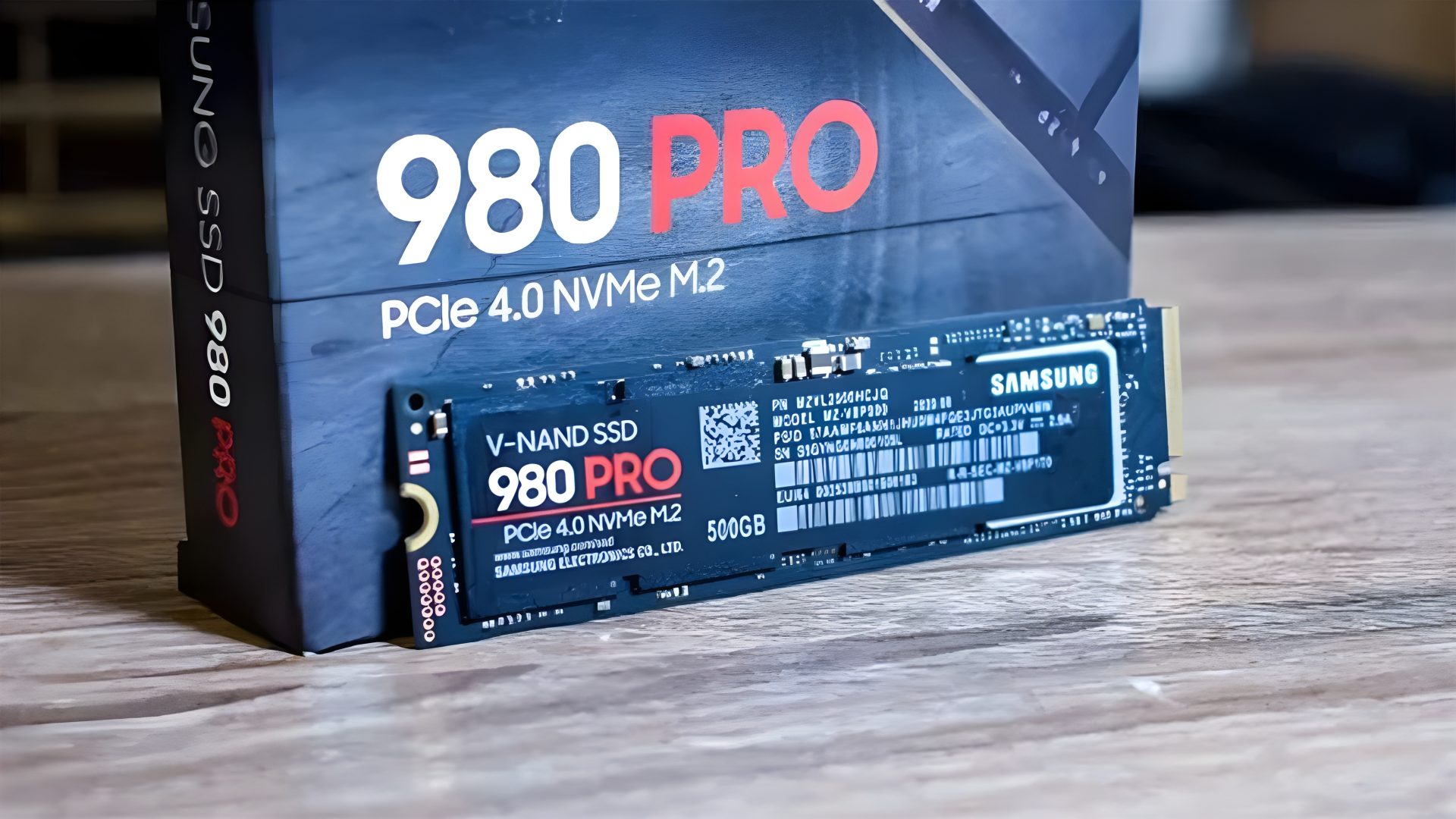
Samsung is reportedly testing the waters with the open-source RISC-V architecture by building an in-house SSD controller based on that instruction set. A South Korea-based report claims Samsung’s next SSD family, said to be called BM9K1, will use a controller designed entirely by Samsung and built around RISC-V rather than ARM.
That detail matters because the controller is essentially the “brain” of any solid-state drive. It orchestrates how data moves between your PC and the NAND flash memory, and it handles crucial background work that affects speed, endurance, and reliability. This includes error correction, garbage collection (cleaning up and reorganizing stored data), and wear leveling, which spreads writes across flash cells to extend the drive’s lifespan.
Up to now, Samsung has used ARM instruction sets in its SSD controllers, which typically means paying licensing fees. Moving to RISC-V could reduce those ongoing costs because RISC-V is an open instruction set architecture that doesn’t require the same kind of licensing model. And Samsung wouldn’t be alone in making this kind of transition—other storage vendors have already used RISC-V-based cores inside SSD controllers for years, showing that it can be viable in real-world shipping products.
What makes this especially interesting is that Samsung has explored RISC-V before across different product areas, but those efforts reportedly never moved beyond demonstrations. If the BM9K1 SSDs truly arrive with a RISC-V controller at their core, it would mark one of Samsung’s first meaningful, mass-market steps toward adopting an open-source instruction set in mainstream hardware.
It also raises a bigger question for the future: if RISC-V proves itself inside something as performance-sensitive and mission-critical as an SSD controller, could Samsung eventually expand its use into other chips? The most tantalizing possibility is smartphones and mobile processors—where a future Exynos platform could potentially adopt RISC-V CPU cores, reducing dependence on ARM intellectual property over time.
For now, the reported BM9K1 move looks like a cautious, practical experiment rather than a full-scale shift. Still, it’s a noteworthy signal: Samsung appears to be exploring RISC-V not just as a concept, but as a cost-effective, strategic foundation for real products that ship at scale.


