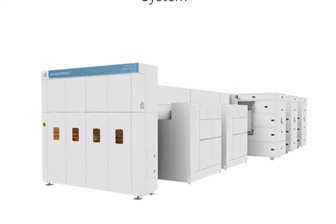
Samsung Electronics and SK Hynix are reportedly accelerating their work on hybrid bonding, a next-generation chip packaging technique expected to play a major role in the future of high-bandwidth memory (HBM). With AI hardware demand continuing to surge, the two memory giants appear focused on locking in advanced packaging capabilities that could shape the next wave of HBM used in data centers and high-performance computing.
HBM has become one of the most sought-after memory technologies as AI models grow larger and more complex. Unlike conventional memory, HBM is designed to deliver extremely fast data transfer while keeping power use under control—an increasingly critical combination for modern AI accelerators. But pushing HBM to higher performance levels isn’t only about the memory itself. Packaging and stacking methods are now just as important, because they determine how efficiently multiple layers of memory can be connected and how well the final product can scale.
That’s where hybrid bonding comes in. The technique is widely seen as a promising path for improving how memory dies are stacked and interconnected, potentially enabling higher bandwidth, better power efficiency, and slimmer designs compared to older approaches. As HBM development advances, gaining an edge in packaging technology can be just as valuable as breakthroughs in memory density or speed.
According to a report from The Elec, both Samsung Electronics and SK Hynix are intensifying efforts to move hybrid bonding forward for upcoming HBM generations. The push suggests a competitive race to secure the processes and know-how needed to meet demand from AI-focused customers, where supply constraints and performance requirements can quickly determine who wins major contracts.
With AI continuing to drive rapid growth across GPUs, specialized accelerators, and data center infrastructure, advanced HBM packaging is expected to remain a high-stakes battleground. If hybrid bonding delivers the improvements the industry expects, it could become one of the defining technologies behind next-generation HBM—and a key differentiator for the memory makers that master it first.