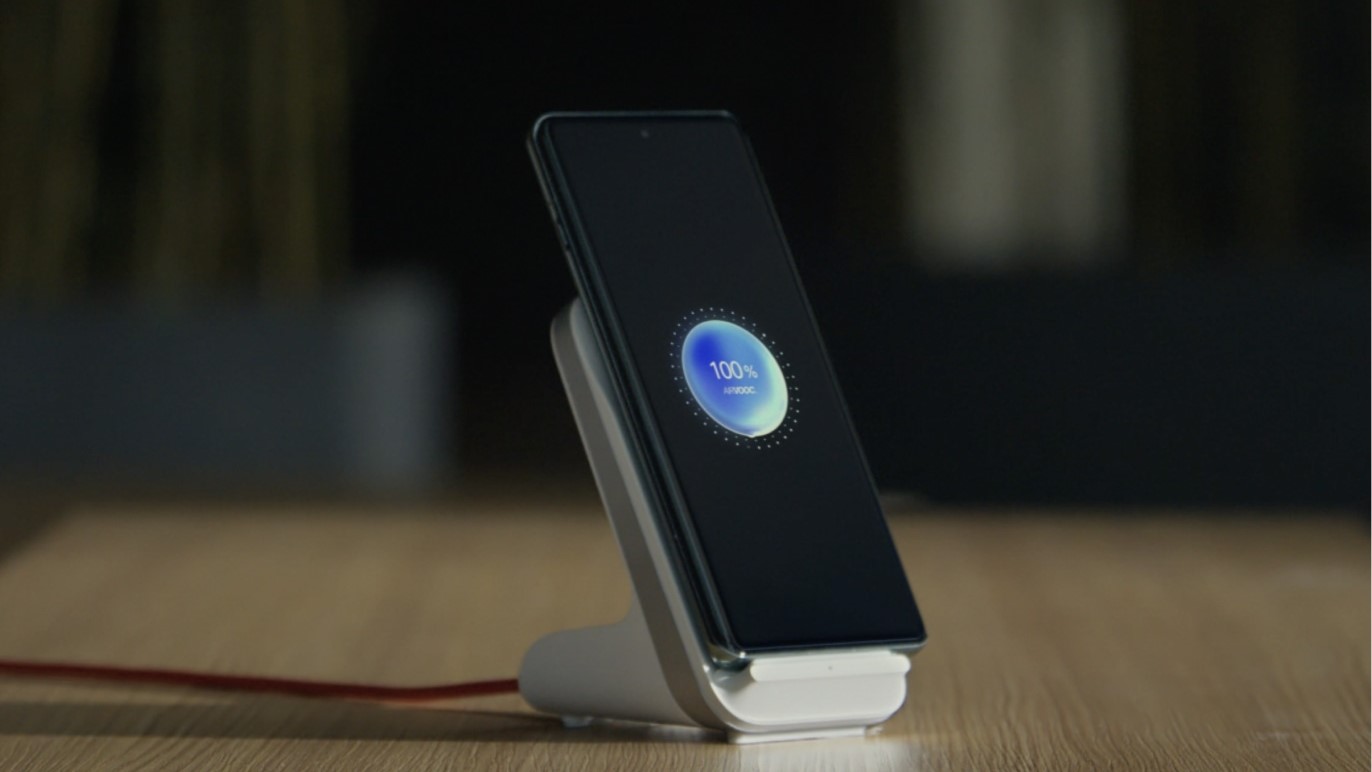
The upcoming generation of Android flagship smartphones seems poised for a clash between two significant advancements: large-capacity batteries and the preservation of cutting-edge wireless charging technology. Amidst the bustling smartphone market, the OnePlus 12 has set itself apart by offering one of the fastest wireless charging experiences with its 50W AirVOOC technology. However, word on the tech street is that the brand might be sidelining this feature once again in its future models.
OnePlus, along with its affiliate brands OPPO and Realme, are reportedly contemplating a significant battery boost for their forthcoming devices powered by the Snapdragon 8 Gen 4 processor. Notably, these flagships might host batteries that not only exceed the standard capacity but also challenge the status quo for power in a handset. This remarkable upgrade, however, seems to come with a caveat – the potential removal of their top-tier wireless charging capabilities.
An influential commentator on industry developments, known as Digital Chat Station, suggests that integrating a 6,000mAh battery requires design trade-offs, which in this instance could lead to sacrificing the AirVOOC technology. Brands are facing a tough decision: should they retain their acclaimed wireless charging feature or prioritize weight savings and larger batteries?
The rationale behind such a decision might be to maintain slim, sleek designs while offering the most substantial battery life possible. As manufacturers also push the boundaries of wired charging speeds, the pendulum seems to be swinging towards prioritizing charge over convenience, with speeds of up to 100W via USB-C touted for future models.
This potential shift might affect the competitive landscape, as rivals like Samsung continue to develop their high-end offerings with features like wireless charging that resonate with consumers looking for premium, convenient technology.
Despite these rumored changes, OnePlus could still outshine its competitors with a smartphone boasting stellar screen-on time, likely making its 2025 flagship an attractive option for those who value battery life above all else.
In the ever-evolving world of smartphones, companies must weigh up the values and preferences of their customers. While some consumers prioritize convenience and are drawn to the modern luxury of wireless charging, others place longevity and battery life at the top of their wish lists. As such, it’s the balance of these features that will shape the future of smartphone design and functionality.