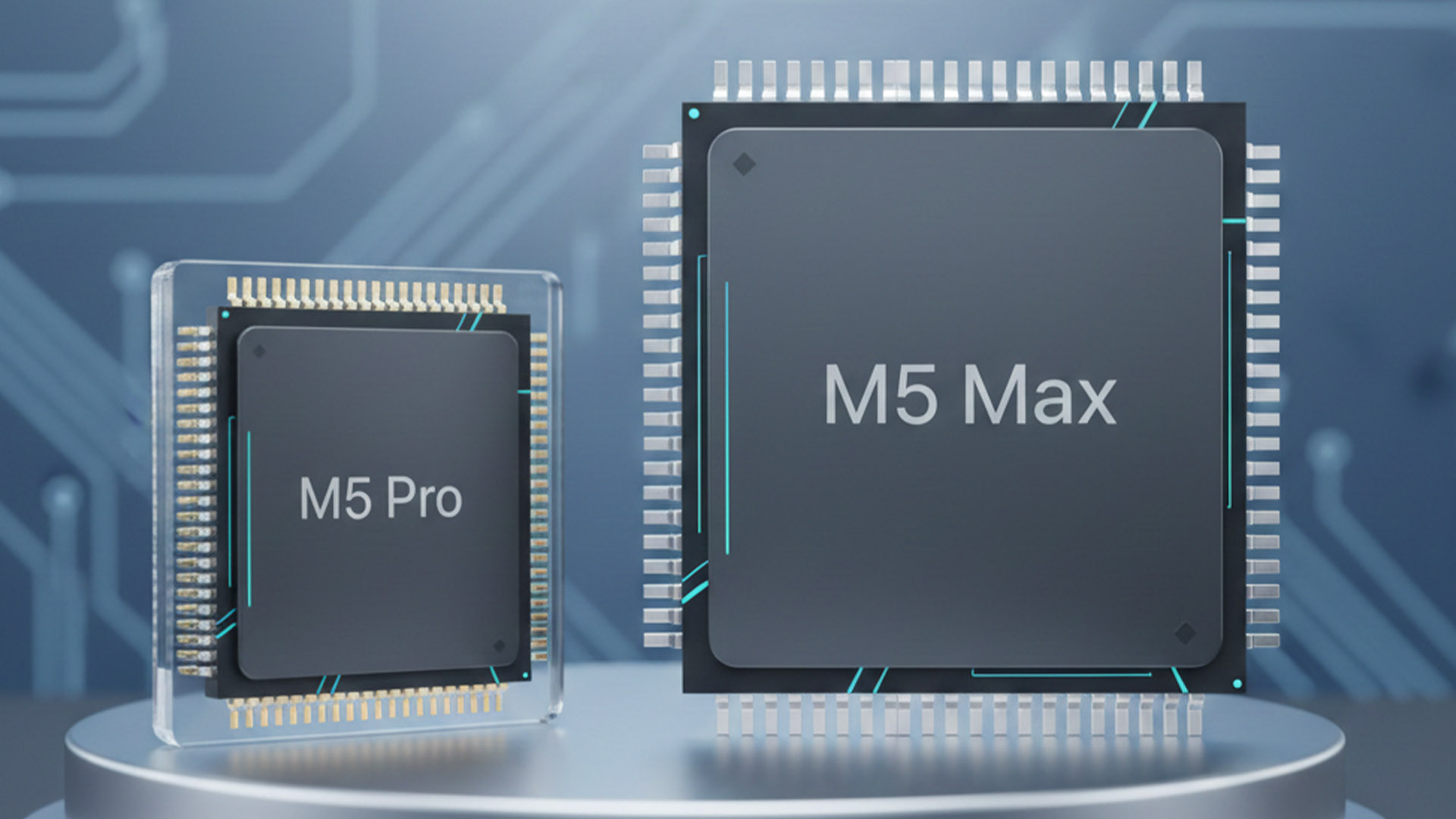
January is wrapping up, and Apple fans who’ve been watching closely for the next wave of high-end Apple Silicon still haven’t gotten the M5 Pro and M5 Max reveal many expected by now. While earlier chatter suggested these new chips might not show up until the first half of 2026, a newer rumor points to a much sooner timeline, with the M5 Pro and M5 Max potentially arriving in March.
One of the more interesting details in this latest talk is Apple’s reported move to a new packaging method called SoIC, short for Small Outline Integrated Circuit. This packaging shift has been mentioned before, and it’s now being discussed again as a practical way for Apple to reduce manufacturing costs at a time when the industry is dealing with DRAM-related supply pressure. Even small savings can matter when component availability is tight and pricing across the supply chain gets unpredictable.
The timing rumor also lines up with what some shoppers have been noticing: higher-end MacBook Pro configurations with top-tier chips have reportedly been facing unusually long wait times. For many, that kind of delay often signals a transition period—either new hardware is close, or supply constraints are complicating production. In this case, the speculation is that manufacturing capacity limitations could be a factor, potentially tied to production realities on the chipmaking side.
SoIC isn’t just about cost, either. Another potential advantage is improved thermal behavior. Heat management is always a major concern with powerful laptop and desktop chips, and there’s been discussion that the base M5 can run extremely hot under heavy workloads, reportedly reaching up to 99°C when pushed hard. If SoIC packaging helps with efficiency and heat dissipation, it could translate into better sustained performance for demanding tasks like video editing, 3D rendering, software development, and AI workloads.
The biggest long-term upside being floated, however, is architectural flexibility. With SoIC, Apple could potentially design the M5 Pro and M5 Max in a way that separates CPU and GPU blocks more distinctly on the die. In theory, that could open the door to more specialized configurations depending on what users need—prioritizing graphics horsepower for creators, CPU throughput for pro workflows, or balanced designs for all-around performance.
As with any pre-launch talk, it’s worth keeping expectations measured until more concrete details surface. Apple can change timelines, adjust production plans, or announce products on its own schedule. Still, if this rumor proves accurate, March could be the month when the M5 Pro and M5 Max finally step into the spotlight—and that would be welcome news for anyone waiting to upgrade to Apple’s next-generation pro chips.