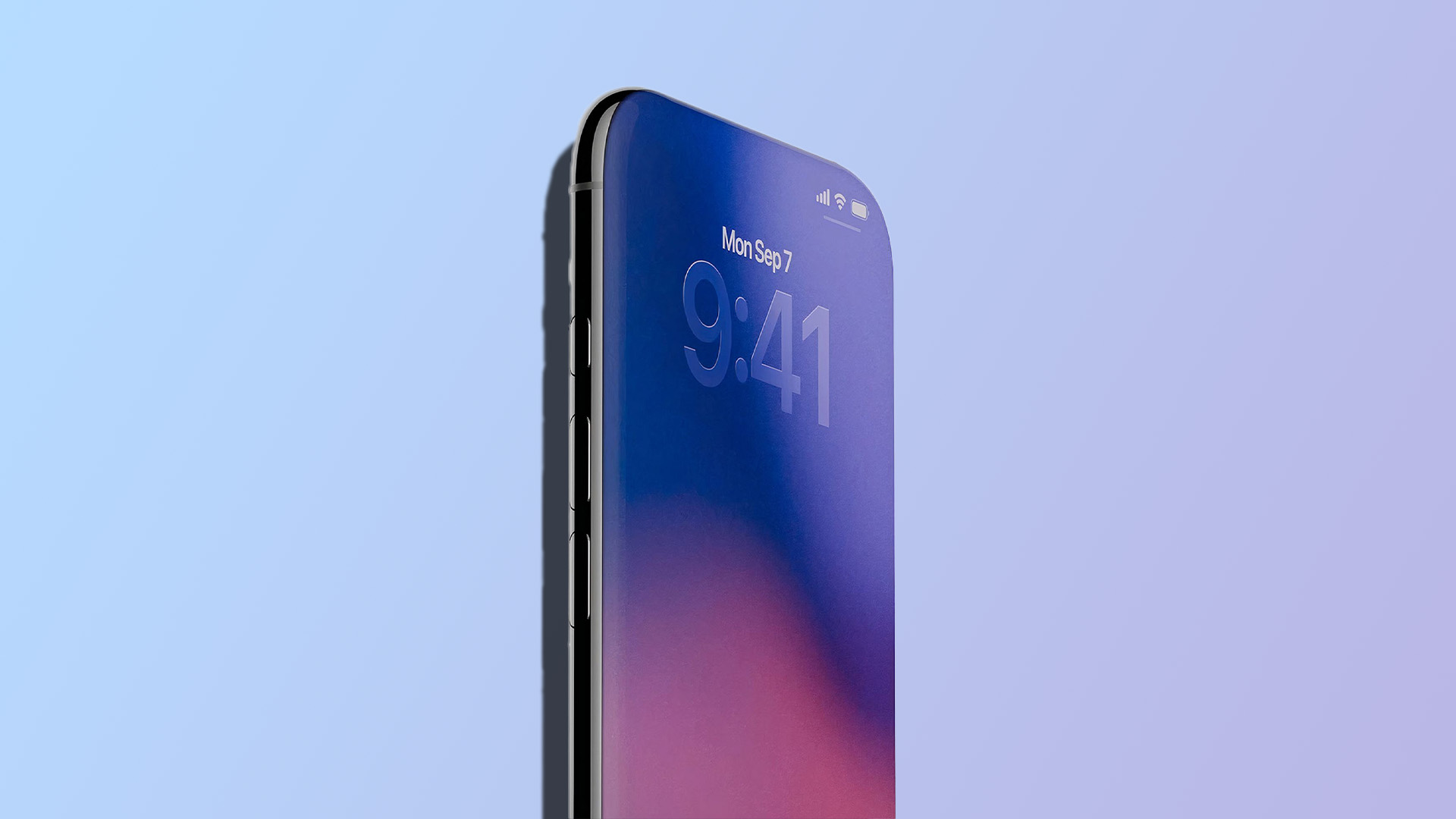
Apple may be preparing a clever new twist for future iPhone Pro and Pro Max models: official protective cases with an integrated, touch-sensitive layer that acts as a second-layer touch interface. The idea comes from a well-known Weibo tipster, Instant Digital, and aligns neatly with a 2024 Apple patent describing cases embedded with capacitive or pressure-based sensors that trigger specific actions when the device detects the case.
The patent even spells out how it would work: “The electronic device, upon detecting the presence of the case, can disable one or more buttons and perform actions corresponding to the buttons when signals are received from the case.” In other words, the case itself becomes part of the control system, letting you press, squeeze, or tap on the case to operate the phone.
Why this matters becomes clearer when you look at Apple’s rumored hardware roadmap. The iPhone 18 lineup is expected to refine its dedicated camera control by removing the capacitive induction layer and relying on pressure sensing. Then, with the iPhone 20 family, Apple is reportedly planning a full transition to solid-state controls for the camera button, volume, and power, complete with haptic feedback to simulate a physical click. If those models arrive without traditional mechanical keys, a case that includes pressure or capacitive sensors would make everyday controls seamless without ever having to remove the case.
A touch-sensitive case could enable:
– Squeeze-to-shoot or tap-to-record actions for camera control
– Swipe or tap gestures along the case edge for volume and media
– Press-and-hold on designated case areas to power on/off or trigger shortcuts
– Customizable gestures that work even when wearing gloves
Beyond convenience, ditching mechanical keys can improve durability and water resistance, while case-based inputs open the door to personalized controls that adapt to different tasks or apps.
Rumor rating: Probable. The concept is supported by a documented Apple patent and dovetails with long-running whispers about a move toward buttonless iPhone hardware enhanced by haptics.
If this plays out as suggested, Apple’s official cases could become more than protection—they’d be a core part of how you use an iPhone Pro, turning the case into an intelligent touch surface that extends the phone’s interface to your fingertips.