GPU prices are rising again, and the RTX 5060 may be the next card to feel the pressure
Graphics card prices are starting to move upward once again, with NVIDIA’s reported increase in memory kit pricing already appearing to affect retail GPU listings. While high-end RTX 50 series graphics cards have been selling above their expected prices for some time, the latest shift suggests that budget and mid-range models may no longer be safe from price hikes.
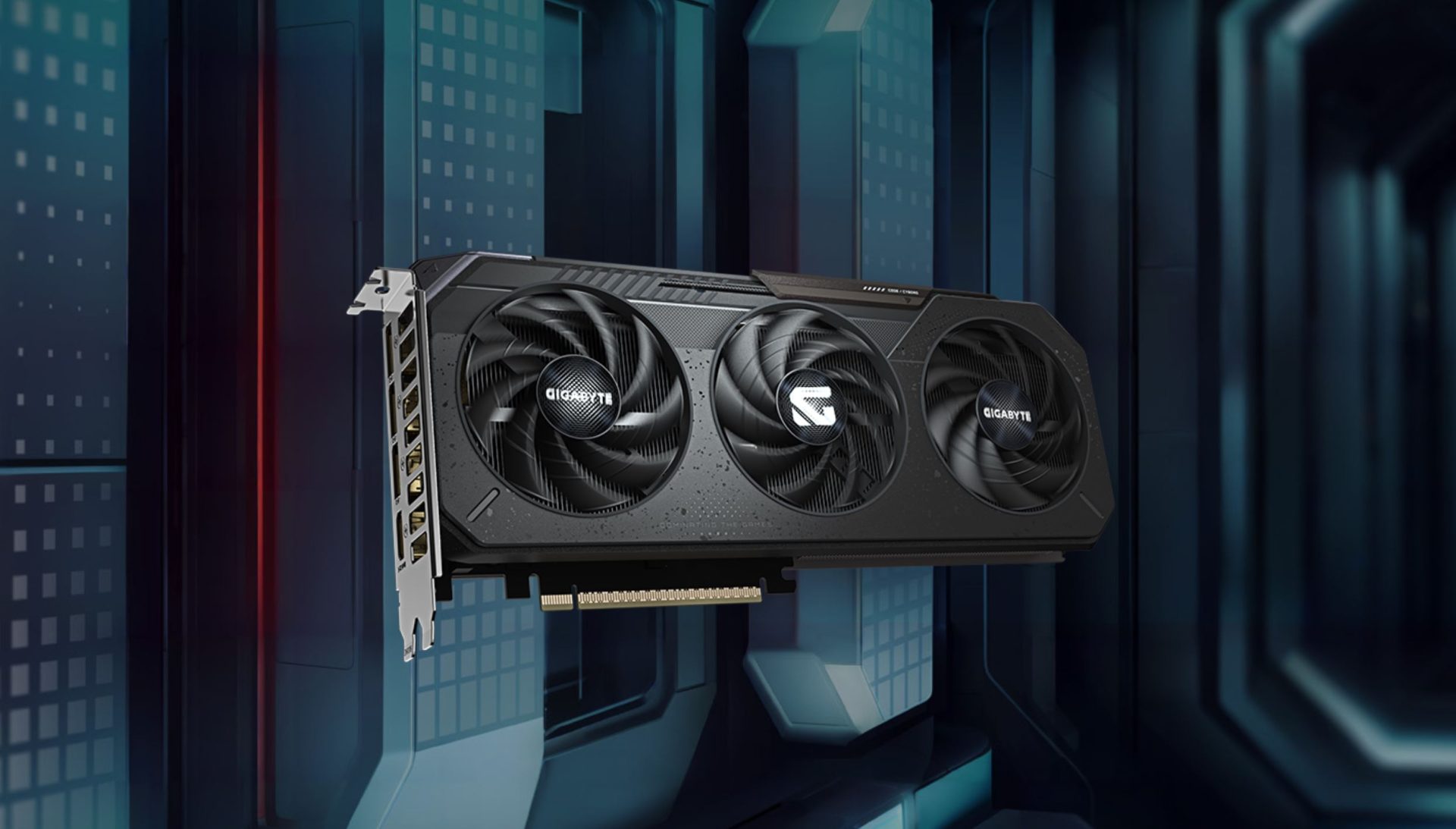
One of the clearest examples comes from China, where a GIGABYTE GeForce RTX 5060 model has reportedly seen a sharp price increase in just a few days. The GIGABYTE RTX 5060 Eagle OC SFF 8GB, which was previously selling in the range of 2,600 to 2,700 yuan, is now listed at around 3,215 yuan. That works out to roughly $475, compared to its earlier price of about $400.
This means the card has jumped by around $75 in a very short period, marking an increase of roughly 16%. For a graphics card positioned as a more affordable RTX 50 series option, that kind of sudden price movement is significant.
The RTX 5060 price hike could be a warning sign
Until now, lower-cost RTX 50 series GPUs have remained more stable than premium models. Cards in the higher-end segment have already been selling at prices around 20% to 30% above their earlier levels, with some models going even higher depending on demand and availability.
The RTX 5060, however, has been one of the more accessible options for gamers and PC builders looking to upgrade without spending flagship-level money. If its pricing begins to rise across more regions, it could make building a budget gaming PC more expensive in the coming weeks.
At the moment, this price increase appears to be most visible in China. In the United States, RTX 5060 models can still be found closer to the $350 range. However, if the memory cost increase continues to spread through the supply chain, those prices may not remain stable for long.
Why are GPU prices increasing?
The main reason behind the latest GPU price pressure appears to be the rising cost of memory. NVIDIA has reportedly informed board partners that prices for GPU and VRAM kits are going up. Since graphics cards rely heavily on video memory, any increase in VRAM pricing can quickly affect the final retail price of a GPU.
This is especially important for newer graphics cards, where memory costs are already a major part of the total manufacturing expense. If board partners are paying more for GPU packages and memory, those extra costs are often passed on to retailers and eventually to consumers.
The situation is not limited to graphics cards. Many PC components and devices that depend on DRAM or other memory types are also seeing price pressure. Laptops, mini PCs, prebuilt desktops, and DIY PC components could all become more expensive if memory prices continue climbing.
PC builders may need to act sooner rather than later
For gamers and creators planning a PC upgrade, this could be an important moment to watch the market closely. The RTX 5060 remains relatively affordable in some regions, but the recent price movement in China suggests that budget GPUs could soon become more expensive elsewhere.
If prices rise globally, buyers may face fewer good-value options in the entry-level and mid-range GPU market. This would be frustrating for users who have been waiting for RTX 50 series graphics cards to settle at more reasonable prices.
The best strategy for buyers right now is to compare prices carefully and avoid panic buying. However, those who already planned to purchase an RTX 5060 or another lower-end RTX 50 series GPU may want to keep an eye on stock and pricing trends. If memory costs continue rising, current prices may look much more attractive in hindsight.
The bigger picture for GPU pricing
The graphics card market has been through several price swings in recent years, driven by supply chain issues, cryptocurrency demand, AI hardware demand, and component shortages. The latest concern is different but still serious: memory pricing affects almost every category of PC hardware.
If VRAM and system memory prices continue to rise, GPU makers and board partners may have little choice but to adjust pricing across multiple product lines. That could affect not only the RTX 5060, but also other RTX 50 series models and future graphics card releases.
For now, the GIGABYTE RTX 5060 price hike in China may be an early indicator of what is coming next. While it is not yet clear whether every RTX 5060 model will see the same increase, the direction of the market suggests that graphics card buyers should prepare for higher prices in the near future.