Cloud gaming could gain momentum if console prices keep climbing
Cloud gaming has been promoted for years as the next major shift in the video game industry, but it has yet to replace the appeal of traditional consoles and powerful gaming PCs. For many players, owning dedicated hardware still feels more reliable, more flexible, and more familiar than streaming games over the internet.
However, that balance could change if the price of next-generation consoles rises sharply. Jeffrey Gattis, General Manager of Gaming at Amazon Games, recently suggested that cloud gaming has often been “a solution in search of a problem.” In other words, as long as consoles remain reasonably affordable, most gamers do not feel a strong need to abandon local hardware.
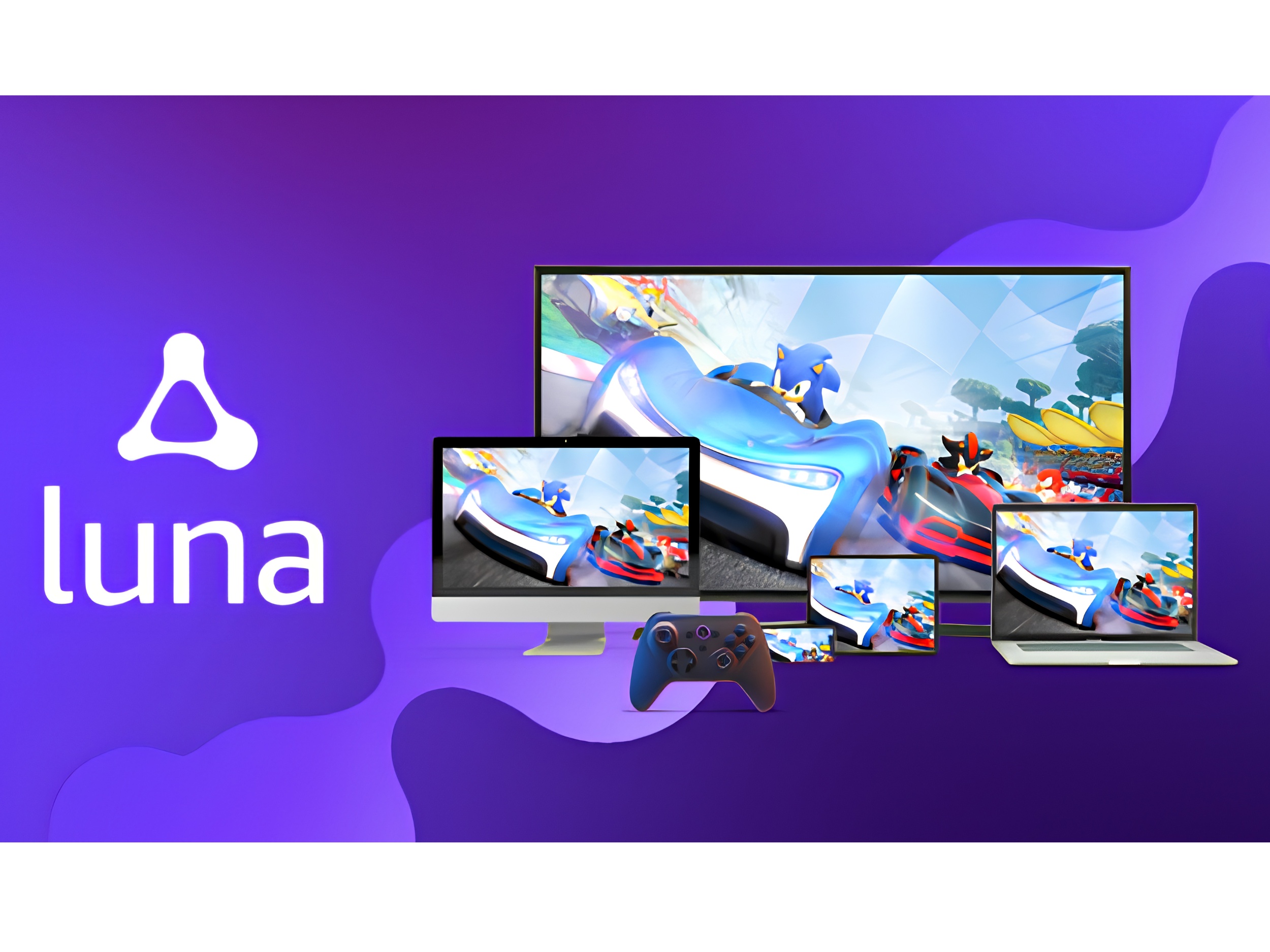
That could become a different story if future systems such as the PlayStation 6 or the next Xbox move closer to the $1,000 range. At that point, many consumers may start looking for cheaper ways to play high-quality games without buying expensive hardware. Cloud gaming services like Amazon Luna could benefit from that shift because they allow users to play on devices they may already own, including Fire TV devices, smartphones, and tablets.
For budget-conscious gamers, the idea is simple: instead of spending hundreds of dollars on a console, players could stream games through a subscription-based platform. If console prices continue to rise, cloud gaming may become less of a niche option and more of a practical alternative.
Still, many players are not convinced that Amazon Luna is ready to become a full console replacement.
Gaming communities have largely agreed with Amazon’s broader point that rising console prices could make cloud gaming more appealing. Some players say they have already become hesitant to buy new hardware because of increasing costs. For them, game streaming sounds more attractive than it did a few years ago.
The problem is that price is only one part of the equation. A cloud gaming service also needs a strong game library, reliable performance, and enough flexibility to satisfy players who are used to buying and owning games across different platforms.
One of the biggest concerns surrounding Amazon Luna is its current game selection. After Amazon ended its integrated game store and third-party library support in June, the service became less flexible than it once was. Players can no longer buy individual games directly through the platform or connect certain outside game libraries in the same way.
That leaves many users relying mostly on the Prime Gaming catalog. While the selection includes recognizable titles such as Control and Indiana Jones, many players argue that the lineup is still not broad enough to compete with a modern console experience.
For cloud gaming to truly take off, convenience alone may not be enough. Players want choice. They want access to major releases, popular franchises, indie games, multiplayer titles, and the ability to continue playing games they already own. Without that, even a low-cost streaming option may struggle to win over serious gamers.
Amazon Luna also faces strong competition from services such as Xbox Cloud Gaming and GeForce NOW. These platforms are often seen as offering larger libraries, stronger ecosystem support, or more flexible ways to access games. That means Amazon cannot rely only on the possibility of expensive future consoles to drive Luna adoption.
If Amazon wants Luna to become a major player in the cloud gaming market, it may need to expand its catalog, improve purchasing options, and make the service feel more like a complete gaming platform rather than a limited streaming add-on.
The future of cloud gaming may depend heavily on console pricing. If next-generation hardware becomes too expensive for mainstream players, game streaming could finally get the opening it has been waiting for. But for Amazon Luna, lower cost will not be enough on its own. To compete with consoles, gaming PCs, and rival cloud services, it will need more games, more freedom, and a stronger reason for players to make the switch.