Razer Blade 16 Design Issues Highlight Why the MacBook Pro Still Sets the Premium Laptop Standard
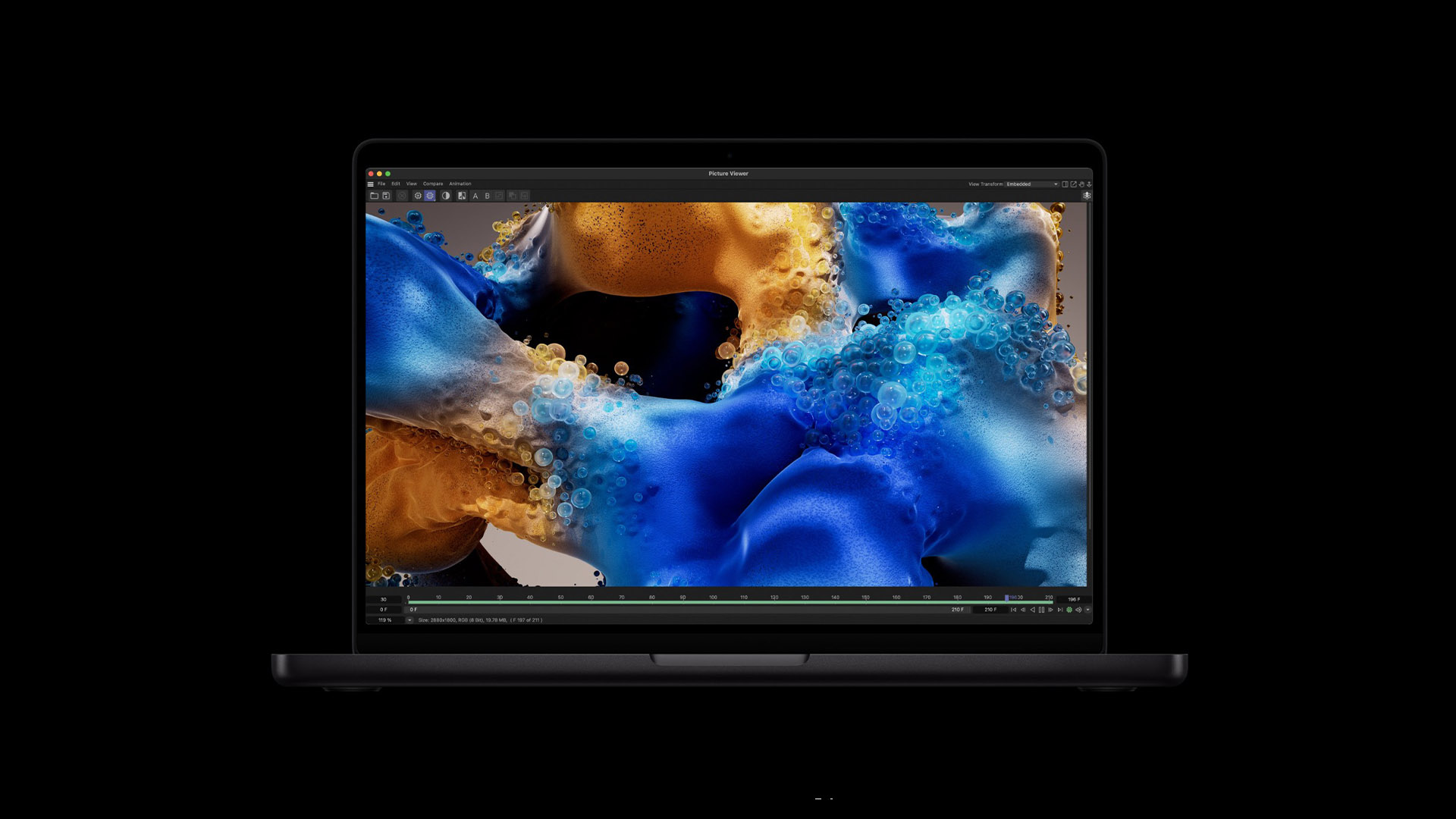
Apple’s MacBook Pro continues to stand out as one of the best-built laptops on the market, and a major reason is the balance Apple has achieved between performance, efficiency, thermals, and chassis design. Apple Silicon allows MacBook Pro models to stay relatively thin while still delivering high-end performance, and although these machines can run hot under heavy workloads, their thermal behavior is generally controlled and predictable.
Razer has long been considered one of the few Windows laptop brands capable of competing with Apple in terms of premium design and build quality. However, recent attention around the Razer Blade 16 suggests the company may have pushed its thin-and-powerful formula too far. Instead of refining the balance between portability and performance, the Blade 16 appears to show the risks of fitting extremely powerful hardware into a chassis that may not give the components enough room to operate comfortably.
One of the biggest concerns involves the laptop’s cooling system. Like most high-performance gaming laptops, the Razer Blade 16 uses multiple fans spinning at high speeds to move heat away from the CPU and GPU. That is expected for a machine designed to handle demanding games, creative workloads, and heavy graphics performance.
The problem is that testing has shown the rear panel can flex enough under mild pressure for the fan to make contact with the cover. If this happens while the laptop is under load and the fans are spinning rapidly, it could potentially damage the fan bearings over time. For a premium gaming laptop, especially one priced near the top of the market, this kind of design issue raises serious questions about durability.
Another major concern is surface temperature. The Razer Blade 16 can be configured with extremely powerful hardware, including Nvidia’s GeForce RTX 5090 laptop GPU. While that sounds impressive on paper, powerful components generate a lot of heat, and a slim chassis can make that heat much harder to manage.
During testing, one area of the laptop reportedly became too hot to touch comfortably. That is a significant issue because consumer laptops are expected to meet safety and usability standards before reaching buyers. A high-end gaming laptop will always get warm, but there is a difference between warm and uncomfortable enough to make users avoid touching certain areas of the device.
This is where the MacBook Pro’s engineering approach continues to look strong. Apple does not simply chase maximum raw wattage in the thinnest possible frame. Instead, its custom chips are designed around performance per watt, allowing the system to deliver strong sustained performance without relying on excessive power draw. The result is a laptop that can remain slim while still offering impressive battery life, controlled thermals, and a rigid aluminum body.
The Blade 16 also appears to face software-related power management concerns. In testing, the laptop was observed pulling around 30W to 40W while sitting idle. That is unusually high for a system doing very little. The issue was reportedly tied to the RTX 5090, which should consume only a few watts when inactive. Instead, something appeared to be waking the GPU and preventing it from entering a lower-power state.
A firmware update was released, but the idle power draw problem reportedly remained unresolved during testing. This matters because idle efficiency has a direct impact on battery life, heat, and overall user experience. A laptop that consumes too much power while doing nothing will drain its battery faster, run warmer, and feel less refined in everyday use.
By comparison, Apple’s MacBook Pro models benefit from the efficiency of Apple Silicon. Apple rates some MacBook Pro configurations for up to 24 hours of battery life on a single charge, depending on usage. That level of endurance is difficult for many high-performance Windows laptops to match, especially models built around power-hungry discrete GPUs.
Price makes the situation even more difficult to ignore. The Razer Blade 16 configuration in question reaches around $4,899, placing it above many premium laptop configurations, including high-end MacBook Pro models with large memory and storage options. At that price, buyers expect more than top-tier specifications. They expect excellent build quality, thoughtful thermal design, reliable software behavior, and a product that feels durable enough to justify the investment.
The larger issue is not that gaming laptops are hot or loud. That has always been part of the category. The problem is that some manufacturers continue trying to make high-performance gaming laptops thinner while adding more powerful CPUs and GPUs. At a certain point, physics becomes difficult to ignore. More power requires more cooling, and more cooling requires space.
A slightly thicker laptop could give the CPU and GPU more room to breathe, improve sustained performance, reduce surface temperatures, and prevent problems such as fan contact with the back panel. It could also lead to quieter operation and longer component life. Thinness is attractive, but it should not come at the expense of reliability or user comfort.
The MacBook Pro does not need to be copied exactly, and Windows gaming laptops serve a different audience with different performance priorities. However, manufacturers could learn from Apple’s focus on structural strength, thermal balance, and efficient design. A premium laptop should feel premium not only when it is new, but also after months and years of heavy use.
The Razer Blade 16 remains a powerful and visually impressive gaming laptop, but these reported design and efficiency concerns show why raw specifications are only one part of the story. For buyers spending thousands of dollars, long-term durability, cooling quality, battery behavior, and chassis integrity are just as important as GPU performance.
In the race to build the thinnest high-performance laptop, companies risk creating machines that look excellent on a spec sheet but struggle in real-world use. The best premium laptops are not simply the thinnest or the most powerful. They are the ones that deliver performance, comfort, efficiency, and build quality in a balanced package. On that front, the MacBook Pro still remains one of the strongest benchmarks in the industry.