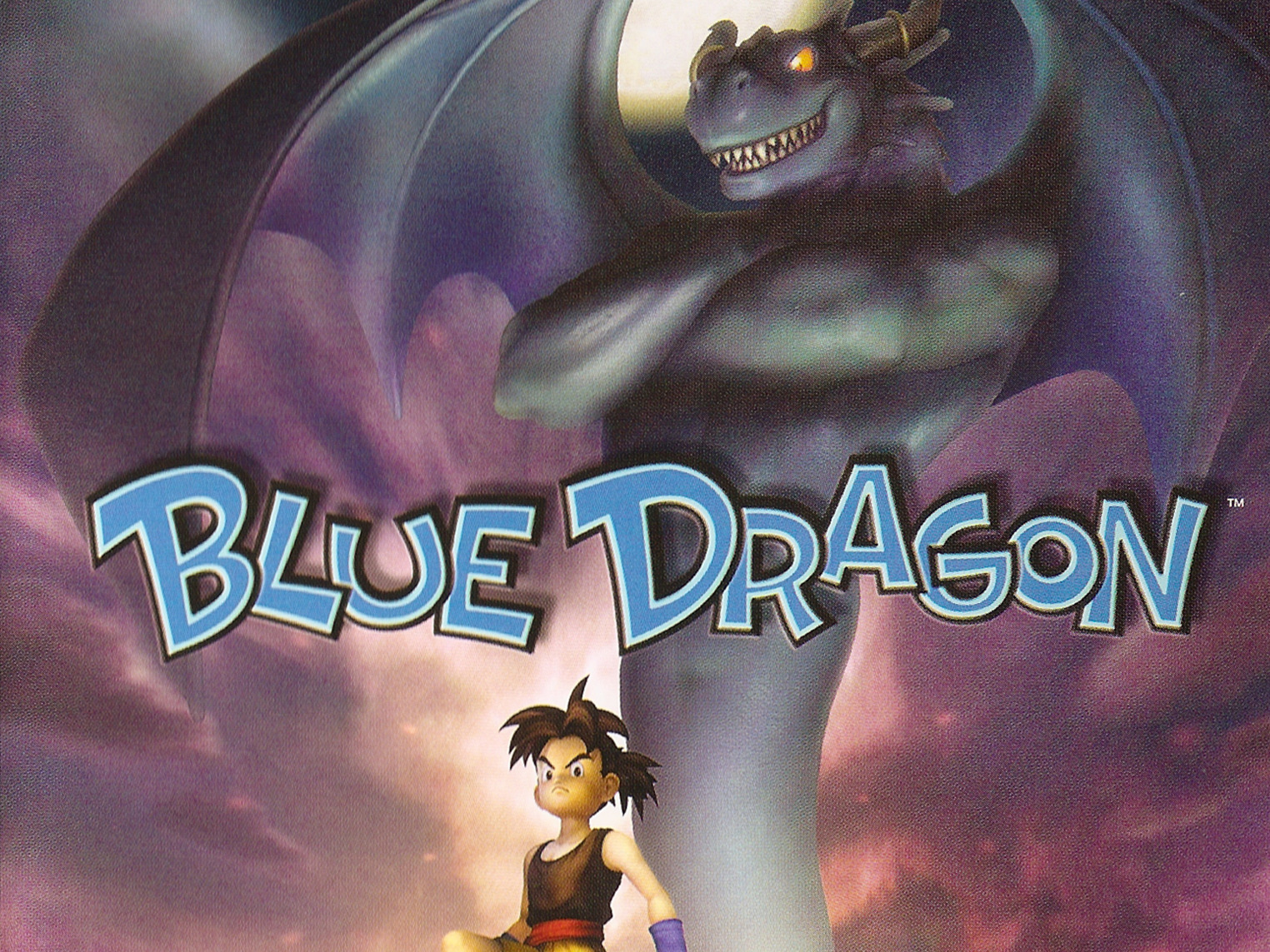
The arrival of the ReXGlue SDK is giving Xbox 360 game preservation a real momentum boost, opening the door for classic titles to be rebuilt for modern PCs through recompilation. Right out of the gate, four very different Xbox 360-to-PC recompilation projects have appeared: Blue Dragon, Ninja Gaiden 2, Dragon Ball Z: Budokai HD, and Dragon Ball Z: Raging Blast 2. Interestingly, three of those games connect back to the late Akira Toriyama, the legendary artist behind Dragon Ball, through his unmistakable character designs.
This new wave builds on the progress made after Sonic Unleashed Recompiled helped show what’s possible when Xbox 360 games are recompiled rather than purely emulated. For players, the appeal is obvious: recompiled games can deliver far better performance than typical emulation and make it easier to create meaningful mods and enhancements. The tradeoff is that recompilation demands significant hands-on effort—developers often have to solve game-specific problems that don’t appear in the same way with traditional emulation.
ReXGlue aims to make that work more manageable. It’s a static recompilation runtime SDK designed specifically for Xbox 360 titles, and it builds on earlier tooling that helped prove the concept but often required custom runtimes and troubleshooting for each individual project. By providing a runtime based on proven Xbox 360 emulation foundations, ReXGlue streamlines testing and debugging on the path to a working PC executable. Just as importantly, it encourages shared progress: fixes and improvements aren’t meant to stay locked inside one project, but to be reusable across multiple games.
Developer Tom Clay, who is also leading the Blue Dragon recompilation, describes the bigger idea as a community-driven feedback loop. A developer tackles a game, runs into a problem, writes a fix, and if that fix can help other titles too, it gets folded back into the SDK for future projects. Over time, the platform becomes stronger not just through a single developer’s work, but through the combined output of everyone building with the tools. In other words, the long-term goal isn’t just a one-off solution for one nostalgic favorite—it’s an ecosystem for preserving and improving Xbox 360 games on PC.
Among the projects, Ninja Gaiden 2 stands out as a major win for preservation. Modern releases such as Sigma 2 and 2 Black are known for changing combat flow and enemy encounters compared to the original Xbox 360 version, which many fans remember for its intense, over-the-top action design. For players who want the original experience, the options have been limited to aging hardware, backward compatibility, or trying to mod other versions on PC to approximate the 360 release. A proper recompilation could help bring that distinctive version forward in a more accurate, accessible form—especially meaningful since it’s also the last Ninja Gaiden game developed under Tomonobu Itagaki, a key figure in the franchise’s modern revival.
Blue Dragon and Dragon Ball Z: Raging Blast 2 share a connection through Toriyama’s character art, but their importance in this preservation push isn’t equal. Raging Blast 2 is a 3D arena fighter that sits in the shadow of the Budokai Tenkaichi-style legacy, and today many series purists gravitate toward other entries or competitive netplay options. Still, a PC recompilation could be valuable for fans who want improved performance, deeper customization, and a modern way to revisit a game that hasn’t remained in the spotlight.
Blue Dragon, on the other hand, is the most historically compelling project in the group. The JRPG is the result of a rare collaboration between Akira Toriyama and Hironobu Sakaguchi, the creator closely associated with Final Fantasy. For many RPG fans, that pairing evokes the spirit of classic collaborations that defined an era of Japanese role-playing games. Blue Dragon also occupies a unique place in Xbox history: it was an Xbox platform exclusive developed by Mistwalker during Microsoft’s push to strengthen Xbox 360 support from Japanese studios and attract more interest in Japan.
The game reportedly performed strongly in Japan relative to typical Xbox 360 releases there, even while Western reception was more mixed. Praise often centered on the visuals and music, while criticism focused on story and gameplay elements that some felt were more traditional than revolutionary. Yet even with that split legacy, Blue Dragon remains significant: it represents a notable chapter for Xbox in Japan, a memorable piece of Toriyama’s artistic footprint in games, and an important work in Sakaguchi’s post-Final Fantasy career.
That’s what makes the Blue Dragon PC recompilation effort—and the growing ReXGlue ecosystem around it—so exciting for modern players. These projects aren’t just about nostalgia. They’re about keeping important Xbox 360-era games alive, playable, and improvable on modern hardware, especially for titles that never received updated ports. If the SDK continues to evolve through community contributions, this could be the start of a much larger movement bringing more Xbox 360 classics to PC in a way that’s faster, smoother, and more flexible than ever before.