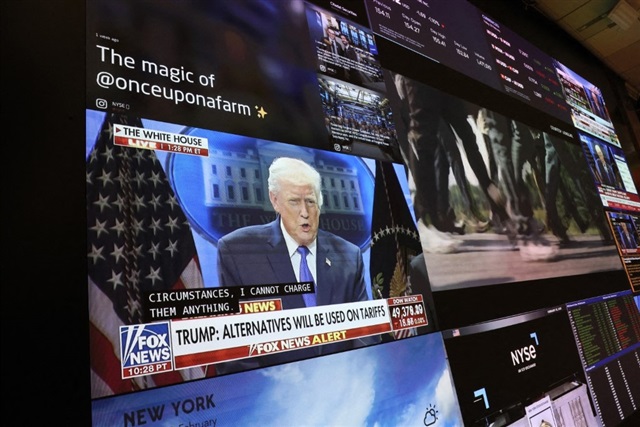
US President Donald Trump says he plans to raise a proposed global tariff to 15%, signaling a tougher stance on trade and a renewed push to reshape US import policy. The announcement comes just one day after the US Supreme Court struck down many of his earlier import taxes, a ruling that undercut key parts of his previous tariff approach.
By moving to a 15% global tariff, Trump is effectively doubling down on the idea that broad-based import duties can be used to pressure trading partners and change the balance of international commerce. Supporters argue tariffs can help protect domestic industries and encourage companies to produce more goods in the United States. Critics, however, warn that higher tariffs often translate into higher prices for consumers and increased costs for businesses that rely on imported materials.
The timing is especially notable. The Supreme Court’s decision to invalidate many of the earlier import taxes created a major legal and political setback for Trump’s trade agenda. His response suggests he’s looking for a new path forward, potentially crafting tariffs in a way that can withstand legal scrutiny while still delivering the economic leverage he wants.
If enacted, a 15% global tariff could have wide-reaching effects across industries, from retail and manufacturing to technology and automobiles, as companies reassess supply chains, sourcing decisions, and pricing strategies. Markets and trading partners are likely to watch closely for details on how the tariff would be implemented, what goods or countries might be affected, and whether any exemptions would be considered.
For now, Trump’s pledge marks an escalation in trade rhetoric and policy direction, reopening debate over how far the US should go in using tariffs as a tool to manage global trade and protect domestic economic interests.