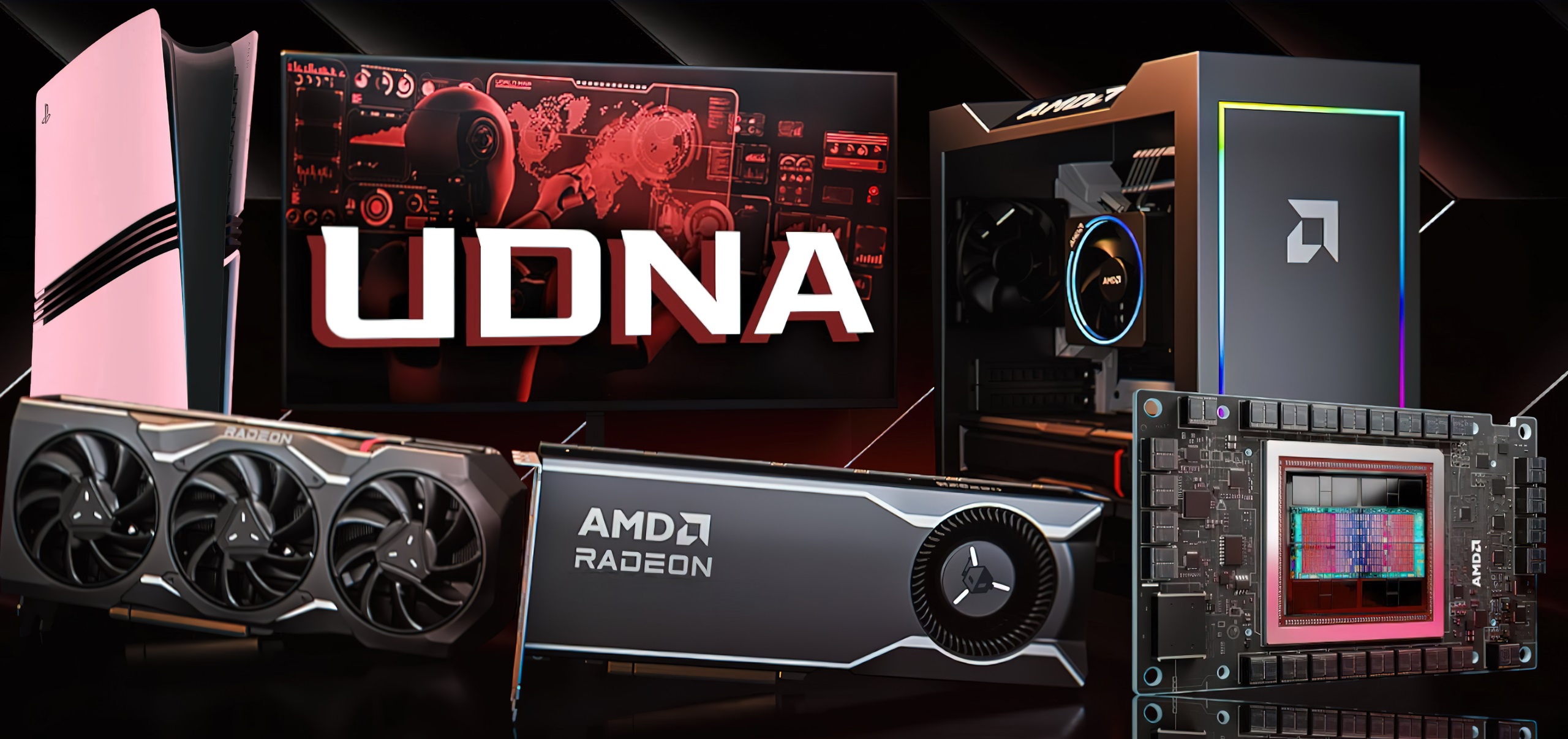
Exciting developments are on the horizon for AMD’s upcoming UDNA architecture, set to revolutionize Radeon GPUs and the next generation of gaming consoles like the PlayStation and Xbox. This next-gen architecture promises significant boosts in ray tracing and AI performance, marking a substantial leap forward in gaming technology.
According to details shared on Neogaf forums, the future PlayStation 6 and Xbox consoles will integrate this cutting-edge GPU architecture. This advancement is expected to dramatically enhance ray tracing and AI capabilities. Although this information stems from leaks, they come from a generally reliable source, so it’s worth keeping an eye on these claims.
When it comes to performance, a “20%-ish” increase in performance per compute unit is anticipated. This is a considerable improvement over the current RDNA 4 architecture, itself an upgrade over RDNA 3. It’s important to note that AMD is expected to expand the number of compute units in its next-gen GPUs. For instance, the PS5 Pro currently sports 60 compute units, while the Xbox Series X has 56. The PS5 Pro’s newer architecture already features faster ray tracing and AI capabilities, aligning with RDNA 4’s standards.
Take the AMD Radeon RX 9070 XT as an example, which includes 64 RDNA 4 compute units. Although it’s a reduction compared to the 96 units in RDNA 3 GPUs, it performs on par with older flagships in certain games and excels in ray tracing and AI functions. AMD’s focus will likely intensify on these areas as gaming increasingly embraces ray-traced graphics, along with advanced upscaling and frame-generation technologies.
Expect to see a twofold increase in capabilities here, particularly in path tracing, which AMD is poised to showcase with its upcoming FSR 4 Redstone technology. The need for enhanced upscaling and frame-generation requires accelerated AI functionality, a primary focus for future advancements. Enhanced neural and machine learning features will not only elevate image quality but also stabilize overall performance.
While it’s wise to approach this information with cautious optimism, AMD’s recent progress on the Radeon front lends credibility to these forecasts. Enthusiasts eagerly anticipate official announcements next year as AMD continues to innovate and advance gaming technology.


