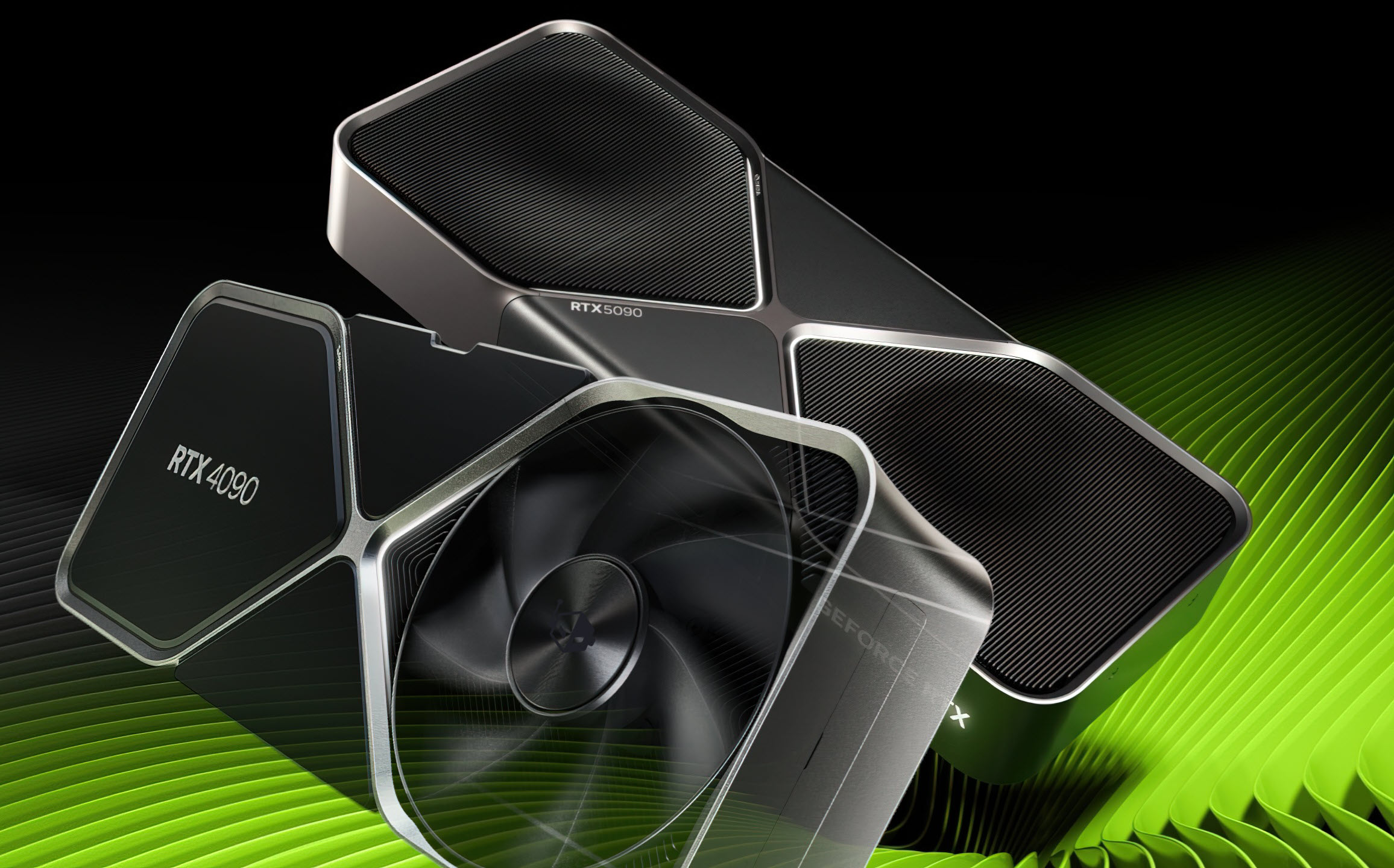
GPU scams have reached alarming levels as cunning individuals have developed new tactics to deceive unsuspecting buyers. One of the most audacious scams involves shipping an empty RTX 5090 to eager consumers.
The demand for powerful graphic processing has surged, partly due to AI engineers seeking consumer GPUs for their projects. This demand has also opened the door to scams where GPUs are repackaged with inflated VRAM capacities, like a supposed 48 GB RTX 4090. Scammers use “donor GPUs,” stripping them of key components like VRAM and onboard silicon, and then selling these gutted units to unsuspecting buyers.
A well-known technician, NorthwestRepair, shared insights into these scams. He recently encountered a case where a user paid $2,000 for what they believed to be a new GeForce RTX 5090. Upon opening the unit, it was revealed to be an empty PCB with all GDDR7 memory modules and the main GPU chip missing. Shocked consumers, unaware of the scam, often misinterpret the malfunction as a service issue, leading them to seek repairs.
Adding to the deception, these fraudulent units often have damaged backplate screws, making it tough for the average buyer to inspect them without causing further harm. NorthwestRepair advises against opening these units to avoid damaging the PCB. The scams are convincing, with many listings appearing legitimate and priced at MSRP, luring buyers into spending large sums for a non-functional product.
To protect yourself from these scams, scrutinize MSRP listings for GPUs like the GeForce RTX 5090, as authentic deals at $1,999 are unlikely. Always choose authorized retailers or physical stores for purchases and use platforms like eBay or Craigslist as a last resort. While acquiring high-end GPUs can be costly, ensuring authenticity is worth the effort to avoid costly mistakes.