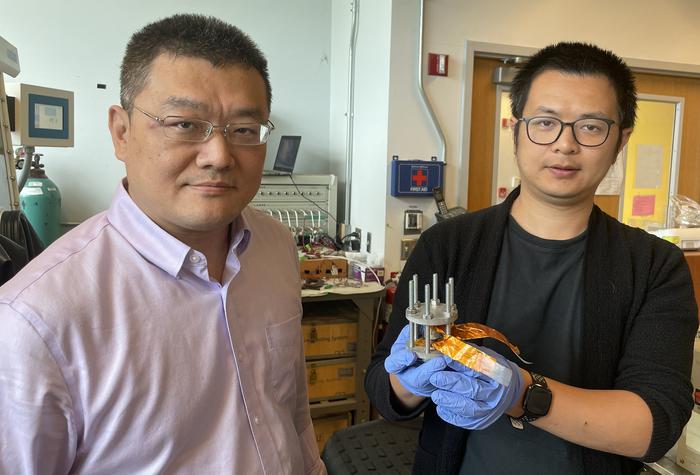
The electric vehicle (EV) market is on an upswing, but one significant hurdle remains: cost. A substantial portion of this cost stems from the batteries powering EVs, specifically lithium-ion batteries (LIBs), which account for almost half of a vehicle’s total price. These batteries, while efficient and dependable, rely on expensive metals such as cobalt and nickel. However, a groundbreaking discovery led by a team of researchers from Georgia Tech, including Hailong Chen, might be the key to slashing EV prices and reducing the environmental impact of battery production.
This innovative breakthrough revolves around a new cathode material crafted from iron chloride (FeCl3), a far more affordable and sustainable alternative to conventional cathode materials. Unlike standard cathodes, which are not only costly but also depend on scarce resources, FeCl3 offers a cost advantage, coming in at just 1-2% of the cost of traditional materials—without compromising on performance. Chen and his team assert that this development could revolutionize the EV industry as well as large-scale energy storage systems, significantly driving down costs.
Utilizing FeCl3 could reduce the cost of lithium-ion batteries by 30-40%, potentially bridging the price gap between EVs and internal combustion engine (ICE) vehicles—one of the primary reasons consumers hesitate to switch to electric power. The research shows that the FeCl3 cathode boasts a higher operational voltage compared to commonly used cathodes like lithium iron phosphate (LiFePO4), enhancing its energy storage and delivery efficiency.
Collaborating with researchers from Oak Ridge National Laboratory and the University of Houston, Chen’s team believes that this technology could achieve commercial viability within five years—a realistic timeline given the rapid advancements in the EV sector. Efforts are now concentrated on refining this material to ensure it can soon facilitate the reduction of EV costs, making sustainable energy solutions more accessible not just locally, but globally. This breakthrough promises to drive the EV revolution forward, bridging the economic divide and propelling us toward a greener future.