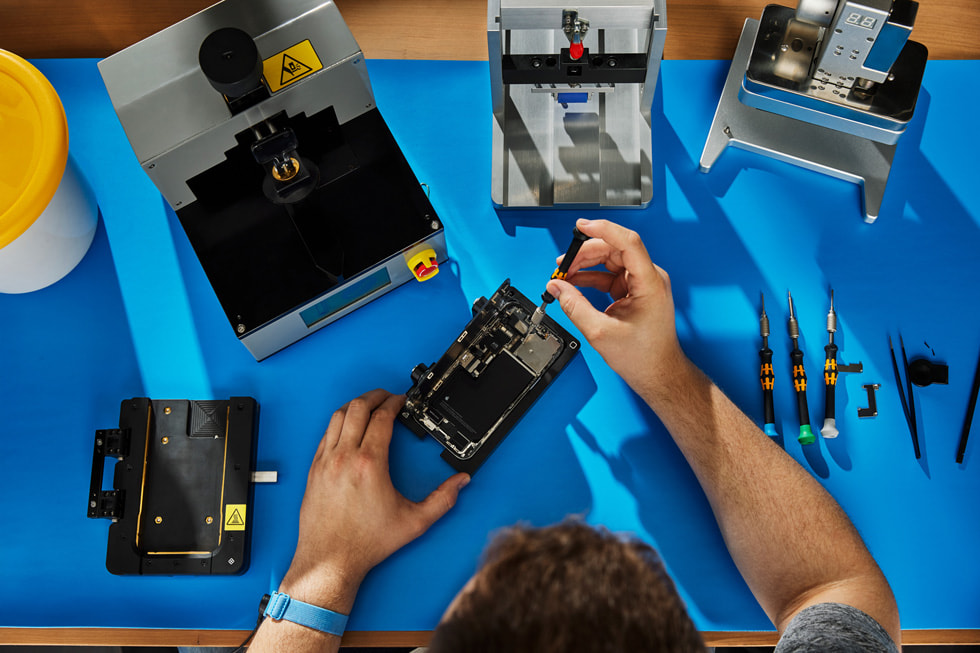
In a move that has been long anticipated by iPhone owners and repair enthusiasts, Apple has opened the doors to a more flexible repair ecosystem. Historically stringent in their policy, Apple has enforced a regime where only brand new, Apple-provided parts could be used for iPhone repairs, often deterring third-party repair services and DIY fixes due to cost and availability concerns. This rigid approach has now taken a surprising turn.
Apple has announced that it will officially start supporting the use of second-hand spare parts for repairing iPhones. Breaking away from its conventional practice, this decision is poised to significantly benefit consumers who have struggled with limited options for obtaining iPhone parts.
Starting in the fall, Apple will accommodate a selection of iPhone models in this new initiative. This shift is not only pivotal for customers but also independent repair shops that will have an expanded ability to source and use pre-owned parts. Such a progressive step by Apple is seen as a monumental moment that enhances the repair process’s flexibility and affordability.
Perhaps one of the most appealing aspects of this update is the introduction of an improved calibration process, scheduled to launch alongside the support for used parts. This streamlined on-device calibration will follow the installment of a part, relieving repairers from the previously taxing pre-installation procedures.
Apple is also working on incorporating biometric sensors into future iPhone models, which aims to further simplify the repair methodology, potentially reducing costs and technical barriers for technicians and DIYers alike. Additionally, the company is easing the parts-ordering process by removing the requirement to input the phone’s serial number for components not linked to the logic board.
Even with enhanced repair liberties, Apple is conscientious about the potential for abuse. To counteract the use of stolen parts, the company has devised a system where the device being repaired will restrict calibration if it detects that the installed part comes from a source with Active Lock or Lost Mode enabled—reflecting the ongoing commitment to security.
Taking transparency to the next level, Apple plans to update its Parts and Service History in the iOS settings, which will inform the user whether the installed part is new or used. This decision to back the right-to-repair demonstrates Apple’s willingness to evolve and meet its users halfway, signifying a profound change in how customers will maintain their devices.
This initiative certainly heralds a new era for iPhone repairs, providing more options and better access to services. As more details on this program unfold, iPhone users and repair professionals alike can eagerly anticipate a more diverse and accessible repair landscape for Apple products.