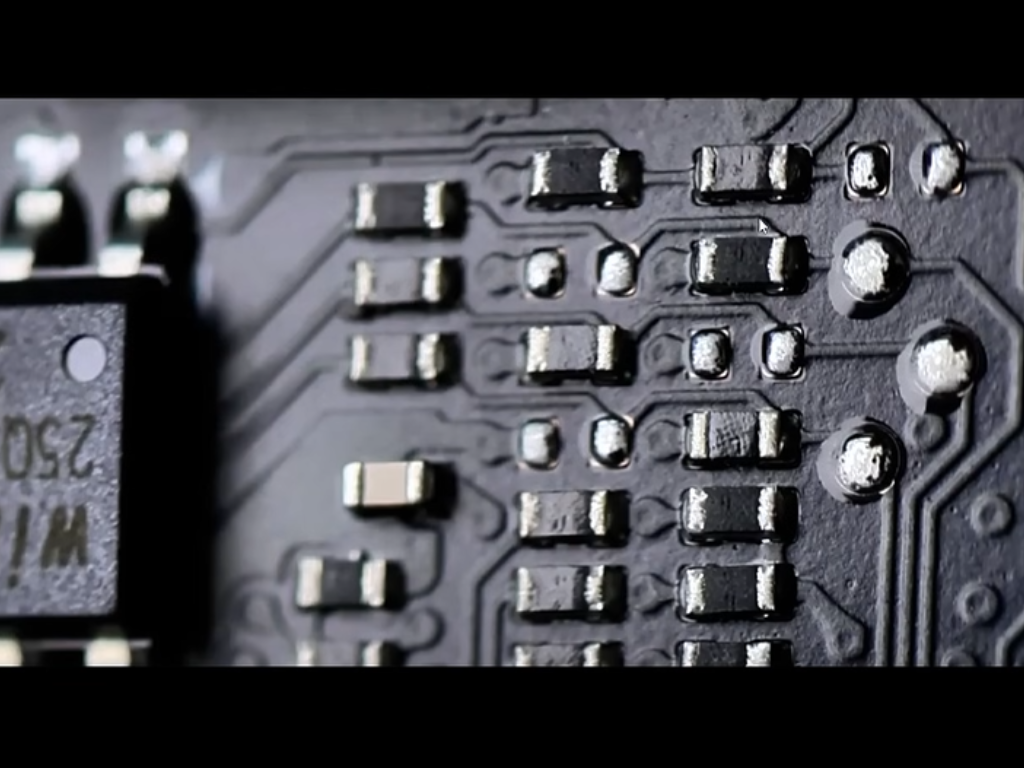
A rare MSI GeForce RTX 5090 Lightning Z graphics card worth around $5,100 nearly became an extremely expensive paperweight after its owner attempted a DIY resistor modification and accidentally damaged the board. The limited-run flagship GPU, with only about 1,300 units made, was brought to a California repair specialist after it stopped working and wouldn’t even POST.
The problem started when the owner decided to practice soldering tiny 0402 resistors directly on the card. The goal was reportedly tied to overclocking ambitions, potentially adding a resistor to enable flashing a more tightly restricted Extreme Overclocking (XOC) BIOS onto the retail Lightning Z model. But instead of unlocking extra performance, the attempt ripped pads and tore PCB traces dangerously close to the GB202 GPU die—one of the worst places on the board to suffer physical damage.
By the time the card reached the repair bench, it wasn’t just one small issue. The GPU had torn thermal pads, missing components, and visible trace damage near the core area. The owner even included a handwritten note admitting what happened, explaining that he was learning to solder and had ripped a pad, after which the graphics card would no longer POST. He asked for the pad/trace repair and for the resistors to be realigned.
That’s where repair specialist NorthridgeFix stepped in. The technician behind the repair, Alex, was visibly stunned that anyone would choose such a rare RTX 5090 Lightning Z as a practice project, calling the situation hard to believe given how scarce and valuable the card is.
What made the recovery even more challenging is that limited-edition hardware like this typically doesn’t come with easily accessible board schematics, and there were no donor boards available to copy missing parts or confirm trace routing. Working under a microscope, the repair involved carefully reconstructing damaged traces, restoring pad connections, and replacing missing resistors. Every nearby connection around the GPU die had to be checked and rechecked to make sure the rebuilt circuitry matched what the card needed to power up safely.
After painstaking diagnosis, voltage testing, and component-level repair work documented across multiple videos, the RTX 5090 Lightning Z finally showed signs of life again. The card successfully returned to a POST state and cleared basic checks, a major milestone for a GPU that previously appeared dead.
There’s still one step left before anyone can call the job fully finished: proper reassembly. The card needs its original shroud and cooler installed again so it can be stress-tested under real thermal load. But even before that final validation, getting a damaged, unbootable RTX 5090 Lightning Z back to POST—without schematics and without a donor board—is a reminder of two things PC enthusiasts learn the hard way: modern flagship GPUs are brutally delicate at the component level, and some mods are better attempted on cheaper hardware than a $5,000 collector-grade graphics card.