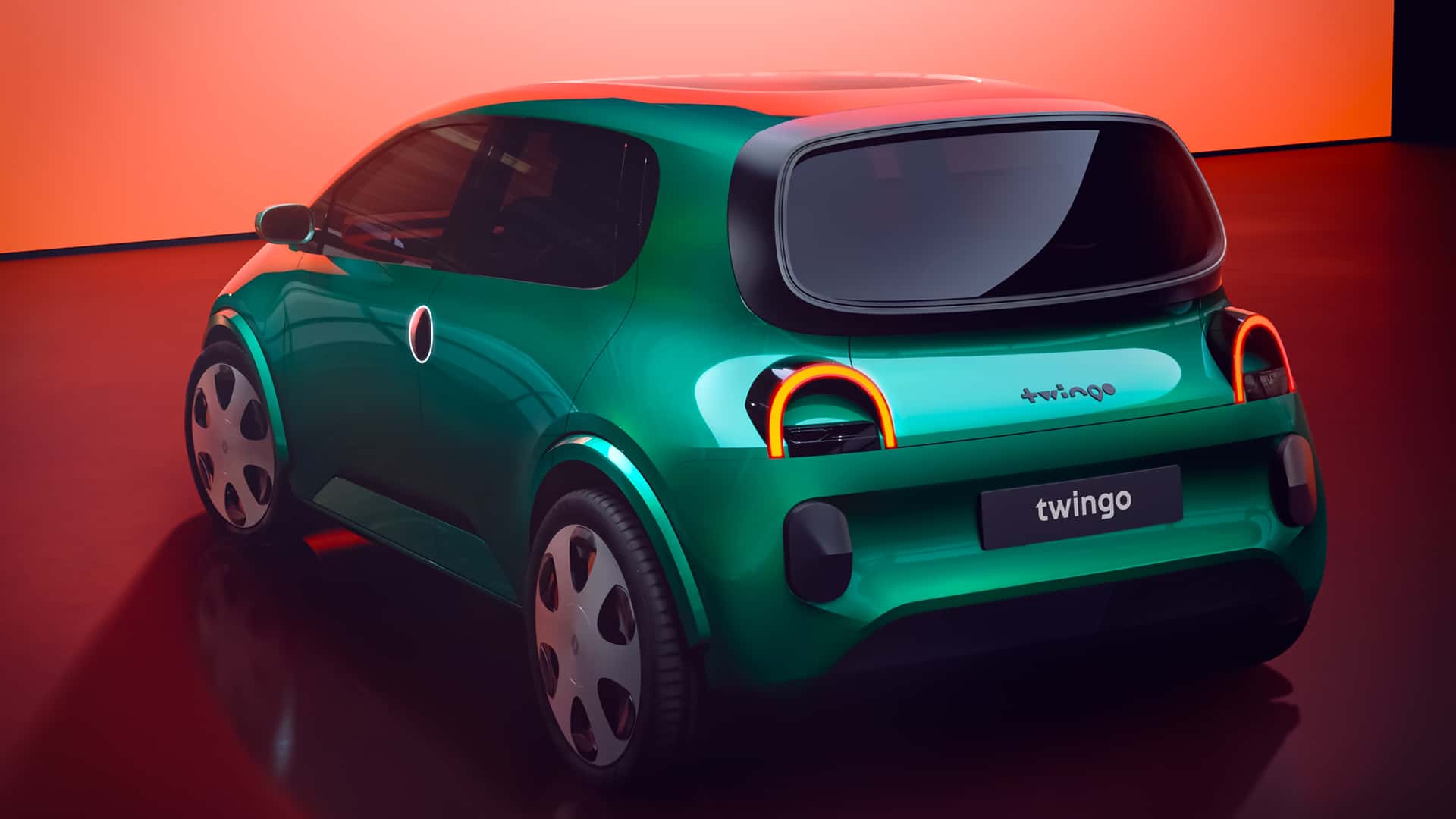
Renault has generated buzz in the automotive industry with plans to offer a new electric vehicle (EV) at an accessible price point. The French automaker, known for its innovative concepts, has set its sights on developing an affordable electric version of the Twingo—a project set in motion after a previous collaboration with Volkswagen (VW) didn’t pan out.
Renault’s CEO, Luca de Meo, unveiled details about this new venture to the public, underlining that this move isn’t a step back but rather a strategic pivot. By partnering with one of China’s EV manufacturers, Renault aims to compete more effectively in the burgeoning emarket for affordable electric vehicles. Details regarding the Chinese partner remain under wraps, but the alliance is expected to bring valuable insights on streamlining production and cutting costs without compromising on quality.
De Meo emphasized the intention to harness the lessons from this collaboration to refine Renault’s efficiency and agility in the manufacturing of low-cost EVs. Moreover, this new electric Twingo is expected to be manufactured in Europe upon its launch, estimated to be around 2026. While Renault’s vehicles are typically not sold in the United States, the insights and experience gained from this partnership have the potential to lead to a more cost-effective range of electric vehicles suitable for the European market and possibly other developing regions.
The palpable race towards affordable EVs sees manufacturers worldwide striving to hit the sweet spot of low cost and high quality. After Tesla shelved plans for a much-anticipated “Model 2” project, the market is wide open for companies like Ford, Jeep, and now Renault, to establish a foothold in what was once a space eyed by BYD.
Renault’s new strategy could signal a significant shift in the global electric vehicle landscape, potentially bringing low-cost EVs to drivers around the world. By positioning the company to leverage manufacturing efficiencies and cost-saving methodologies, Renault is aiming to make electric transport more accessible to a wider audience, which would be a substantial step in global clean transportation initiatives.


