Reggie Fils-Aimé Reveals Why Nintendo Released the NES Classic and SNES Classic
Former Nintendo of America president Reggie Fils-Aimé has shared new insight into why Nintendo launched the NES Classic and SNES Classic during one of the company’s most uncertain periods.
According to Reggie, the miniature retro consoles were not just nostalgia-driven products designed for longtime fans. They also played an important strategic role as Nintendo worked through the final years of the Wii U and prepared for the arrival of the Nintendo Switch.
At the time, Nintendo was dealing with a difficult business challenge. The Wii U had lost momentum, sales were slowing, third-party support had faded, and major first-party releases were becoming less frequent. Nintendo needed a way to keep fans engaged, maintain visibility during the holiday season, and generate revenue while its next major console was still in development.
That is where the NES Classic came in. Released in 2016, the plug-and-play mini console brought back a collection of beloved Nintendo Entertainment System games in a compact, easy-to-use package. It quickly became a massive hit, selling out at retailers and becoming one of the most in-demand gaming products of the year.
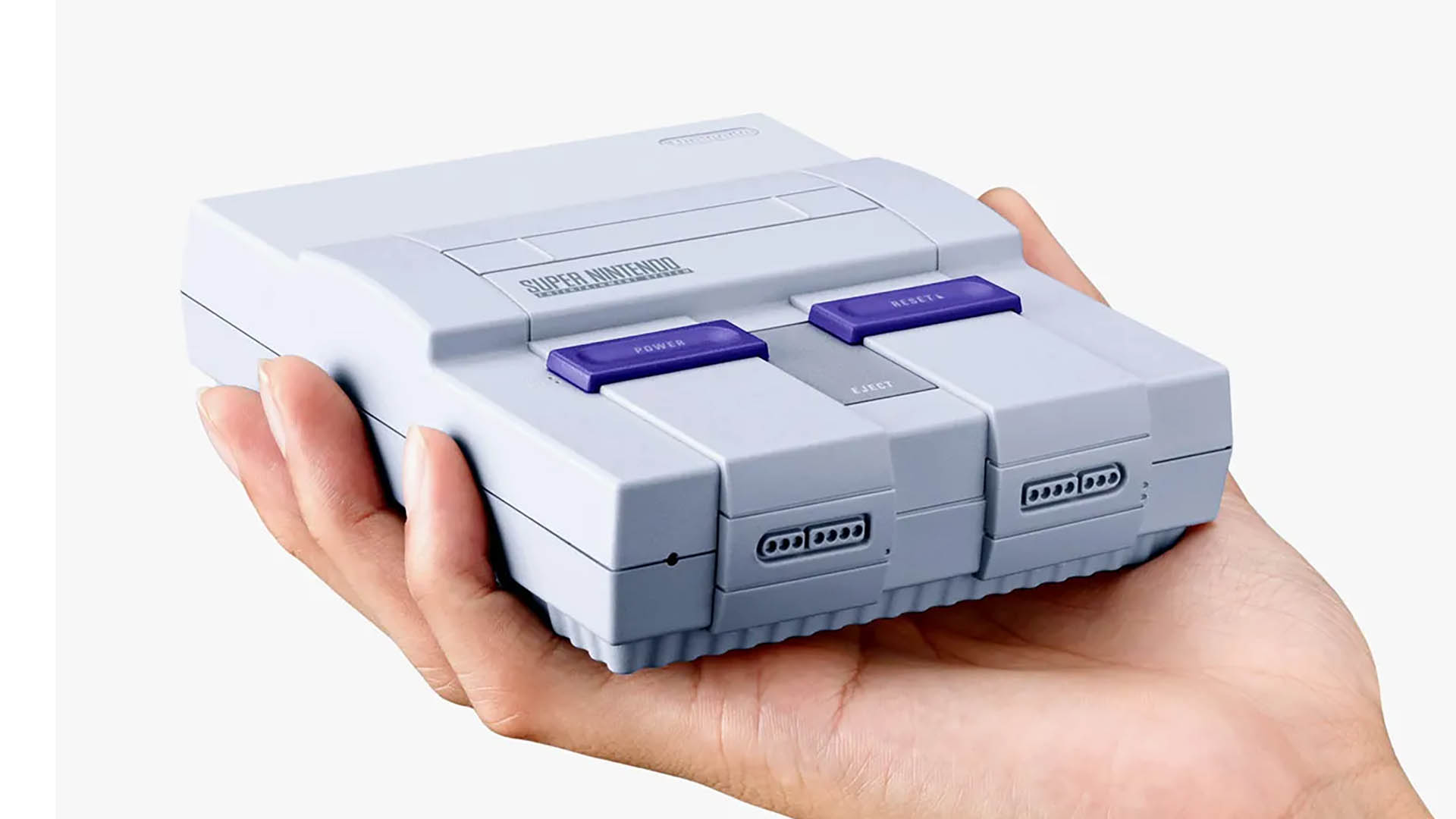
Nintendo followed with the SNES Classic in 2017, which repeated that success by offering fans a chance to revisit some of the most iconic Super Nintendo games. Like the NES Classic, it became extremely popular almost immediately and was difficult to find during the holiday shopping season.
While the limited supply frustrated many buyers and created opportunities for resellers, the overall strategy worked. The NES Classic and SNES Classic brought Nintendo back into the conversation at a time when the company needed positive attention. They also helped generate strong revenue during a transitional period before the Switch was ready to take center stage.
In hindsight, the move looks especially smart. The Nintendo Switch went on to become one of the company’s biggest success stories, reshaping Nintendo’s future and restoring its dominance in the gaming market. But before that comeback fully began, the NES Classic and SNES Classic helped keep the brand alive, exciting, and relevant.
What seemed like a simple celebration of retro gaming was actually part of a much larger plan. Nintendo used the power of nostalgia to bridge the gap between the struggling Wii U era and the hugely successful Switch generation.