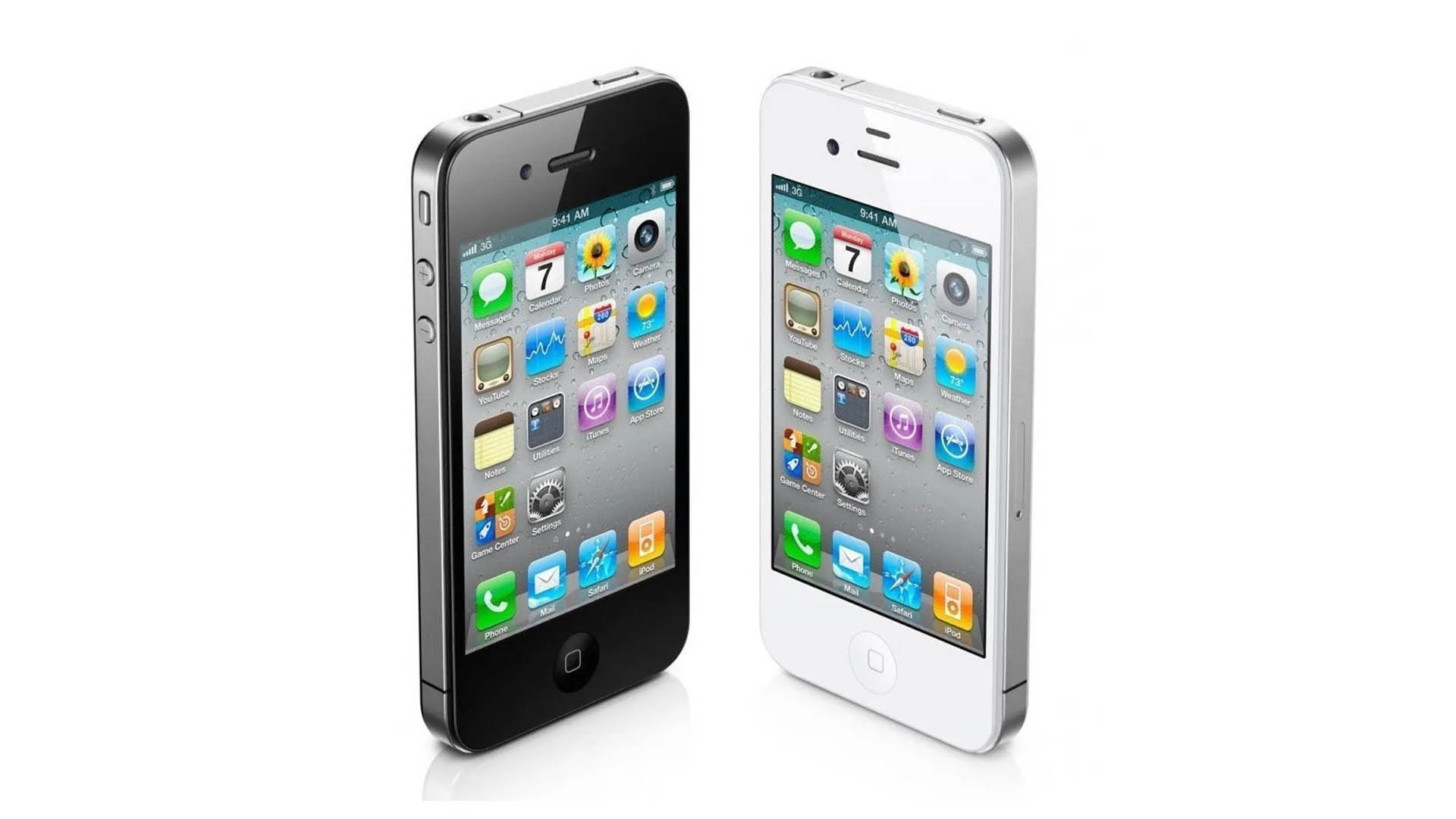
The launch of the iPhone 4 is a notable event in Apple’s storied history. Fourteen years ago, this revolutionary device set a new standard for smartphone design and functionality, despite facing some challenges along the way.
When the iPhone 4 hit the market, it was evident that Apple had taken a bold step forward. The phone featured a 3.5-inch IPS LCD screen with vivid display capabilities, contained within a sleek body of stainless steel and glass that differed dramatically from its predecessors. Jony Ive, Apple’s then chief of design, was central to this evolution, pushing the boundaries of what a smartphone could look like.
The anticipation for the iPhone 4 was palpable, as evidenced by the unprecedented 600,000 pre-orders placed within the first 24 hours of availability. This frenzy of demand did, however, lead to some technical difficulties, with Apple’s website and that of its partners struggling under the traffic. Even with these hiccups, the iPhone 4’s initial uptake was a testament to its allure.
Despite its popularity, the iPhone 4 was not without its flaws. Notably, the phone’s antenna design proved problematic, as certain ways of holding the device could result in dropped calls due to lost cellular signal. Apple’s attempts to address the issue through software updates were only marginally successful, leaving a blemish on the phone’s otherwise stellar launch.
The road to the iPhone 4’s unveiling was itself quite eventful. A leaked prototype, acquired by a media outlet before the official announcement, sparked intense speculation and a subsequent legal intervention by Apple. Nonetheless, the official launch went ahead as planned.
After three years of success, Apple ultimately discontinued the iPhone 4 in 2013, coinciding with the launch of the iPhone 5S and 5C. However, the legacy of its design lived on, with Apple resurrecting the flat-edged aesthetic for the iPhone 12 series and the first-generation iPhone SE.
In an extraordinary demonstration of its versatility, the iPhone 4 even made its way to the International Space Station, equipped with a special application for the STS-135 mission. This adventure into space underscored the cultural and technological significance of the iPhone 4.
Although not the first iPhone to ignite the smartphone era, the iPhone 4’s contributions to the industry are undeniable. It served as a catalyst for growth, pushing forward design and technology in a way that would influence smartphone development for years to come.


