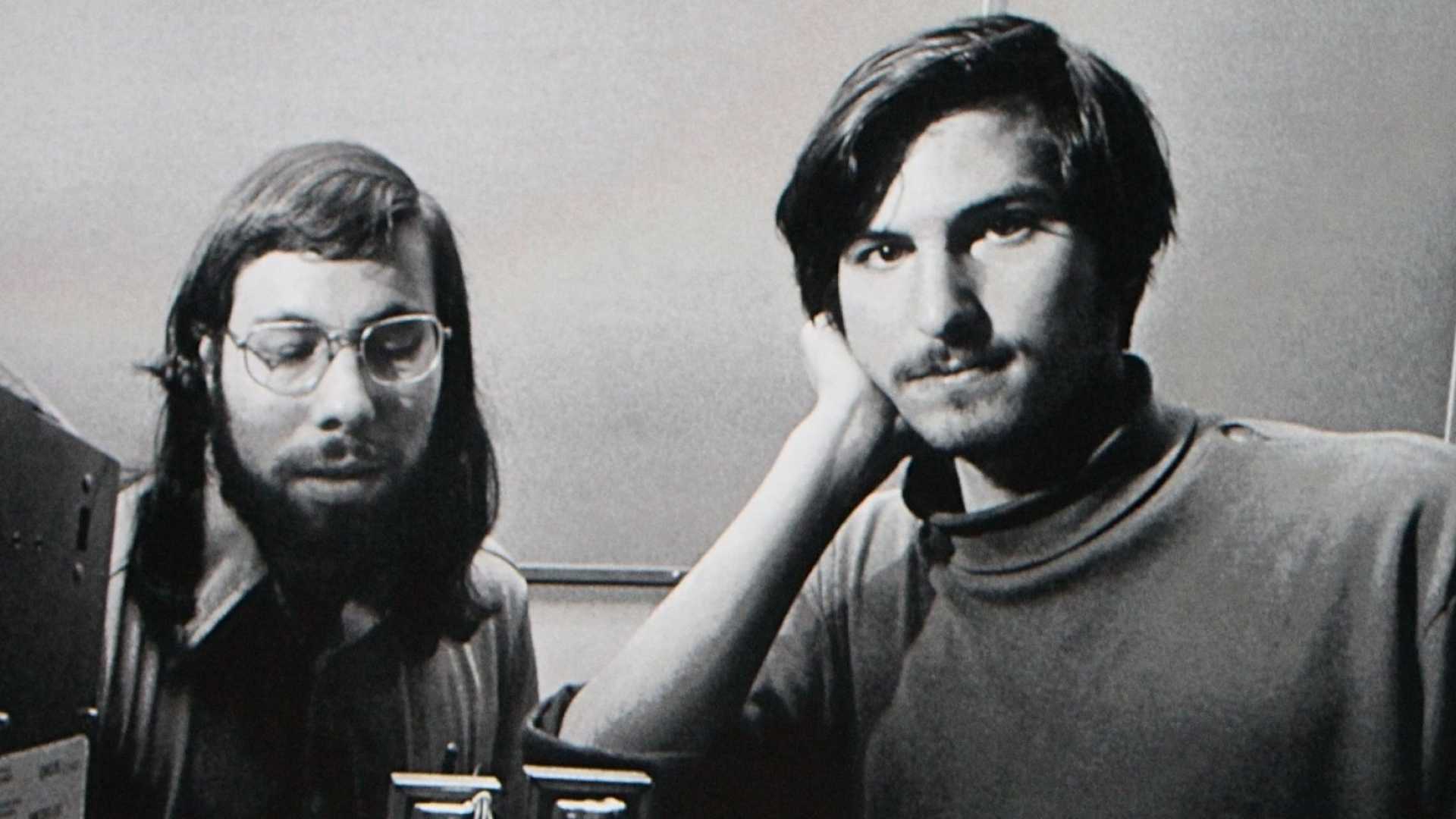
On April 1, a significant milestone is celebrated in the tech industry as Apple Inc. commemorates its 48th anniversary. This remarkable date marks the inception of a company that started in the modest setting of Steve Jobs’ family garage in Los Altos, California, and would grow to become a pivotal force in shaping the modern computing landscape. Apple’s evolution from a fledgling startup to a trillion-dollar behemoth exemplifies a remarkable transformation that few companies have ever achieved.
Initially, Apple concentrated its efforts on crafting personal computers, commencing with the pioneering Apple-1. The formation of Apple was a daring venture spearheaded by Steve Jobs and Steve Wozniak, who sought to revolutionize the consumer computing experience. In its nascent stage, the company focused on selling motherboard kits intended for tech enthusiasts to assemble their computers. This approach shifted dramatically following a significant interaction with Paul Terrell, owner of the Byte Shop, who impressed upon Jobs the value of selling fully assembled standalone computers. This conversation was monumental in redirecting Apple’s trajectory toward the manufacturing of pre-assembled machines, a business model that underpins their operations to this day.
Despite a triumphant launch with 50 units of the Apple-1 being swiftly purchased, Apple’s journey has not been devoid of trials and tribulations. There were periods in the company’s history when its financial stability was in jeopardy, bordering on bankruptcy. Nevertheless, with the resurgence of Jobs as CEO, Apple navigated through turbulent times with a series of groundbreaking product launches. Among these were the iPod and MacBook, but most transformative of all was the introduction of the iPhone in 2007. This device single-handedly redefined the smartphone industry and, to date, remains one of Apple’s most lucrative product segments.
Zooming forward to 2024, Apple’s fiscal performance illustrates its relentless progress, with Q1 earnings showing an astounding revenue of $119.6 billion. While Steve Jobs, who passed away in 2011, did not live to see the full extent of the empire he had forged, his visionary leadership has been continued by Tim Cook. Cook has relentlessly worked towards not only extending the legacy left by Jobs but also ensuring Apple’s prominence in the tech industry with continuous innovation.
Apple’s story is not just an account of corporate success; it’s a tale of how technological passion can alter the course of industries and everyday lives. As we commemorate Apple’s 48 years, we are reminded of the profound impact that visionary innovation can have, setting the pace for an entire industry and continually redefining what is possible in the realm of technology.


