Apple Silicon Macs built their reputation on a rare combo: desktop-class performance with remarkably low power draw and battery life that could run circles around most high-end laptops. But efficiency doesn’t mean “no limits.” Push any chip hard enough and it will demand more power, generate more heat, and test the cooling system inside the laptop.
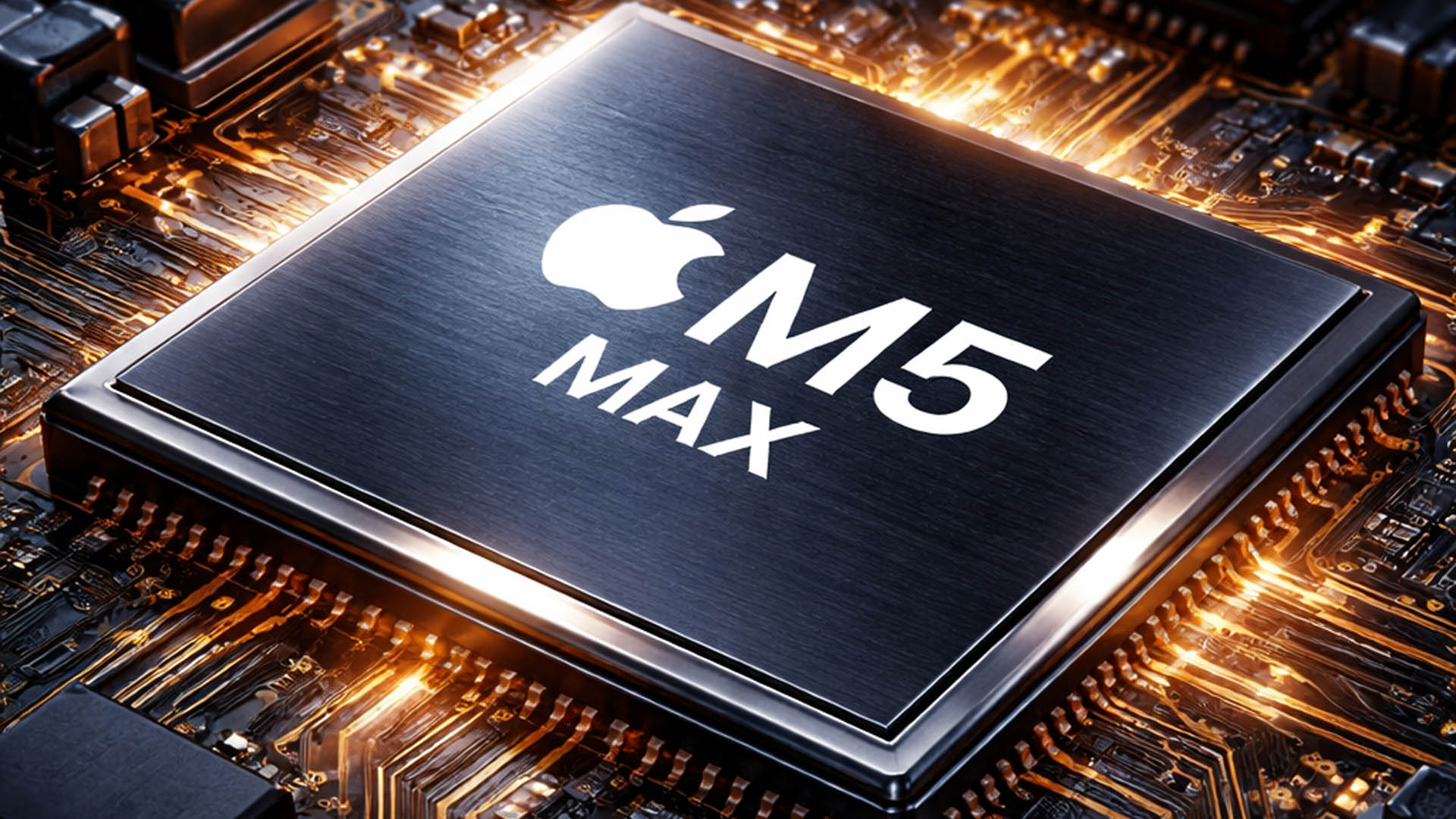
That reality is now fueling fresh discussion around Apple’s next wave of pro chips. With the M5 Pro and M5 Max expected in the first half of next year, some users are already wondering whether the top-tier M5 Max could end up consuming noticeably more power under sustained heavy workloads—especially after new real-world numbers show how far the current M4 Max can stretch when the workload is intense.
A recent Reddit post highlights the concern clearly: under a demanding Adobe Premiere Pro project packed with effects, the M4 Max reportedly spiked to 212W peak power consumption. In other sessions, the same system showed peaks around 187W and 202W. Alongside that power draw, the CPU and GPU temperatures were said to reach up to 110 degrees Celsius—hot enough to raise eyebrows, even for a performance-focused machine.
This isn’t just a one-off scare story, though. It’s a reminder of how modern chips behave when there’s thermal and power headroom available. Enthusiast discussions around the post point out that with sustained, taxing workloads, high-end silicon will often climb toward its upper limits if cooling and power delivery allow it. In other words, these spikes can be part of normal “boost” behavior when the system is trying to maintain performance under pressure.
So why does this matter for the upcoming M5 Max? Rumors suggest Apple’s next flagship configuration could feature a 16-core CPU paired with a 40-core GPU. The chip is also expected to move to TSMC’s 3nm N3P process. While that sounds like a major upgrade, N3P is widely viewed as an optical shrink of N3E, with claims it may offer only around a 5 percent performance improvement at the same power level. If clock speeds climb as well—talk has circulated around performance cores running at 4.61GHz—then the most powerful M5 Max versions could potentially demand even more power when they’re fully unleashed.
There’s also a cooling angle. The current MacBook Pro designs have proven they can keep the outside of the machine comfortable even when the internals get hot. In the Reddit example, despite the high reported power draw and temperatures, the user noted the chassis stayed cool, which is an encouraging sign for everyday usability. Still, if future M5 Max MacBook Pro models use a similar cooling approach to current machines, it’s reasonable to expect that internal temperatures could again get “toasty” during extended, heavy creative workloads like video editing, 3D rendering, or GPU-heavy effects pipelines.
It’s worth noting that even non-Max chips can get hot when pushed. Reports suggest the standard M5 can reach around 99 degrees Celsius under heavy load, especially in designs that rely on modest cooling hardware like a single heatpipe. That adds more weight to the argument that a fully-loaded M5 Max—more cores, more GPU power, and higher sustained pressure—may push power and thermals higher than many people associate with Apple Silicon.
Looking ahead, many are hoping Apple chooses a more substantial cooling redesign for its next major MacBook Pro refresh. One widely discussed possibility is the addition of a vapor chamber, a cooling upgrade that could help spread heat more effectively and improve sustained performance without runaway temperatures. Whether that arrives soon or later remains to be seen, but it’s the kind of change that could make the next generation of Apple Silicon laptops feel more consistent under long, demanding workloads.
For now, the takeaway is simple: Apple Silicon is still extremely efficient compared to typical high-performance laptop chips, but “efficient” doesn’t mean “low wattage all the time.” Under the toughest professional workloads, today’s M4 Max can already surge past 200W—so it wouldn’t be shocking if an even more capable M5 Max, given enough thermal headroom, can climb into similar territory or beyond.