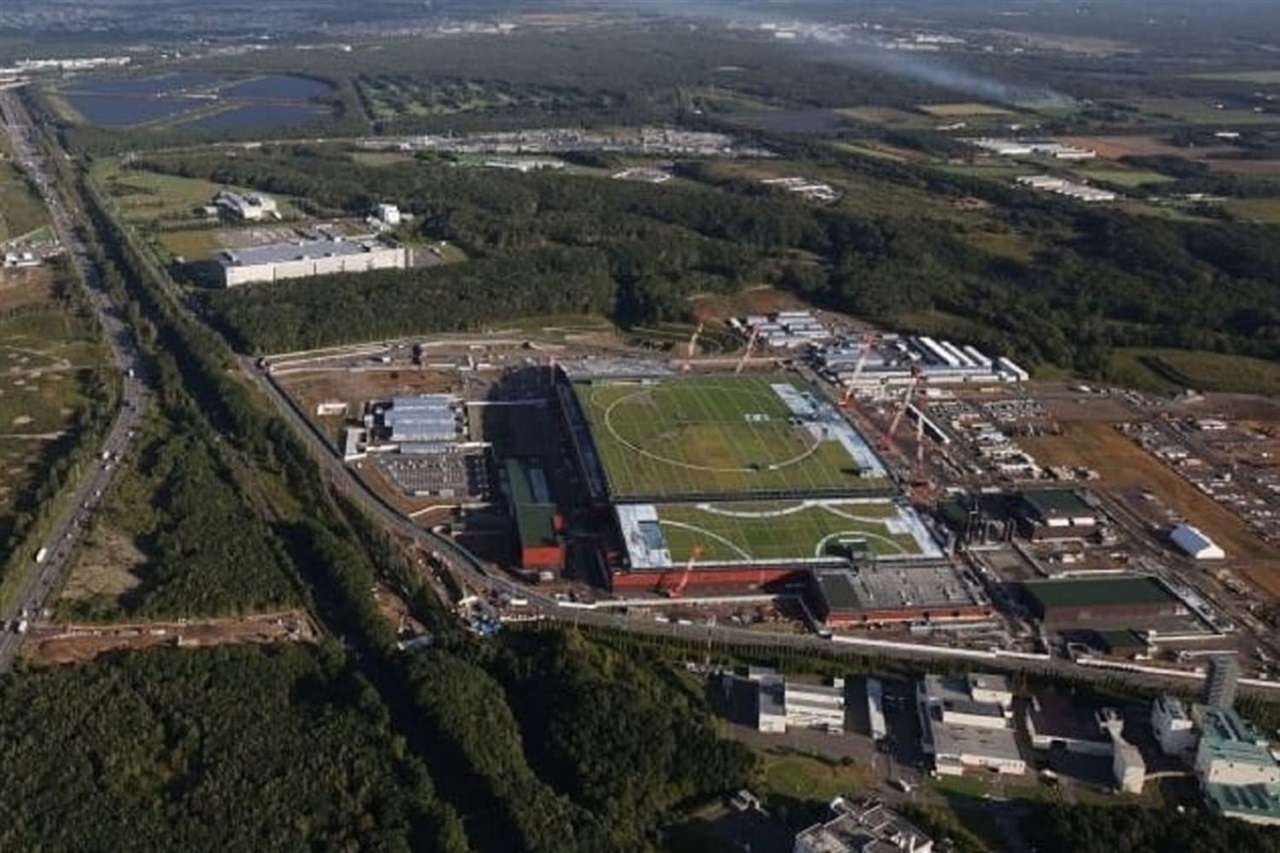
Rapidus is accelerating Japan’s push back into the cutting edge of semiconductor manufacturing, and its newest timeline signals a clearer path toward advanced 2nm-class chip production. With a major facility rising in Hokkaido, the company is positioning itself to become a key domestic source for next-generation chips used in everything from artificial intelligence and data centers to high-end consumer electronics.
According to reporting from Japan, Rapidus plans to start mass production of 2nm-class semiconductors in the second half of fiscal 2027. That timeframe would mark a critical milestone, because 2nm manufacturing is widely viewed as the next major leap in chip technology—bringing improved performance and power efficiency compared with today’s most advanced mainstream nodes.
The company’s broader roadmap suggests full-scale production is expected in fiscal 2028. In other words, Rapidus appears to be aiming for an initial manufacturing ramp in late FY2027, followed by a stronger, more sustained production phase the following year. This type of staged ramp is common in semiconductor fabrication, where early output is used to validate processes, improve yields, and prepare for larger customer volumes.
The plan is tied to a business proposal submitted to Japan’s Ministry, reinforcing that this effort remains closely aligned with Japan’s national strategy to strengthen supply chain resilience and secure advanced chipmaking capacity at home. With global demand for leading-edge semiconductors continuing to grow—especially as AI workloads expand—Rapidus’ development is being watched as a meaningful step in Japan’s bid to re-enter the top tier of chip manufacturing.
With its Hokkaido factory under construction and a target of 2nm production in sight, Rapidus is setting an ambitious tempo. If the company executes on its FY2027 ramp and FY2028 full-scale production goals, it could become an important new player in the global advanced semiconductor landscape.