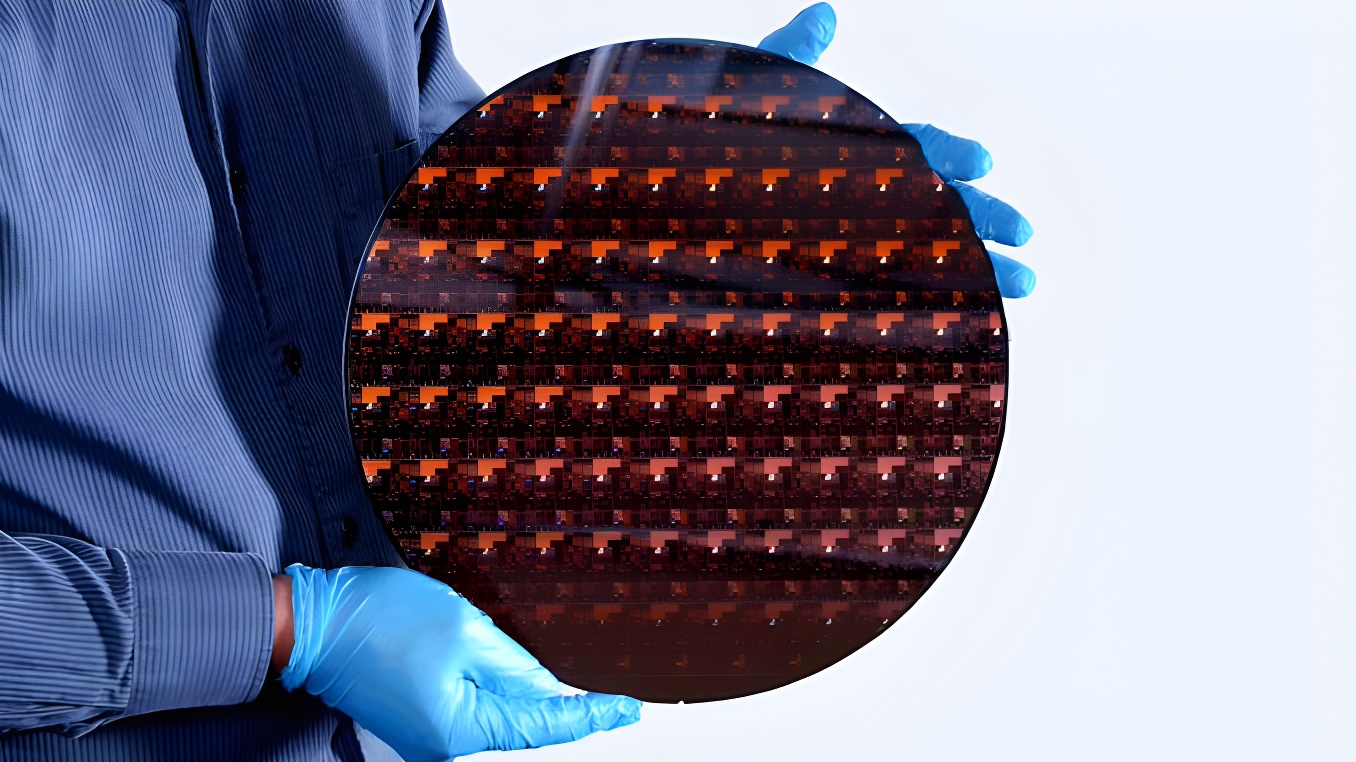
Rapidus, a rising star in the semiconductor industry, is gearing up to significantly expand its 2nm technology efforts in the coming years, fueled by a surge of interest from technology giants. This endeavor is set to position Rapidus uniquely in the market, thanks to its distinctive 2nm process which incorporates innovative BSPDN (Backside Power Delivery Network) and GAA (Gate-All-Around) technologies—an industry first.
In the world of semiconductors, companies like TSMC have long held the reins. However, Rapidus, Japan’s leading chip manufacturer, is making bold strides to catch up with the big players like Intel and Samsung Foundry. According to reports, Rapidus has established a specialized facility in Hokkaido, Japan, as part of its mission to accelerate towards mass production.
The company’s ambition has not gone unnoticed. There’s been considerable interest from notable industry clients, though Rapidus aims to sustain its production by focusing on building a few long-term partnerships. Interestingly, Rapidus has acquired 2nm technology from IBM, which it believes will lead to a significant breakthrough. Currently, the company faces challenges like yield rate issues since the 2nm technology is still in the research phase. Additionally, they’re navigating the complexities of operating the newly acquired EUV equipment from ASML.
Moreover, Rapidus has reportedly engaged in talks with tech majors such as Apple and Google for the production of their advanced chips using the 2nm process. Although the Japanese chipmaker is said to be two years behind the industry leader TSMC, it claims to bridge this gap by offering more efficient solutions. This makes the forthcoming developments worth watching, as Rapidus is expected to begin prototype chip production by mid-May.
One of the key differentiators for Rapidus’s 2nm initiative is its use of BSPDN and GAA technologies. This groundbreaking implementation could set a new benchmark in the advanced chip arena, giving Rapidus a potential edge over its competitors. Only Intel has previously harnessed BSPDN technology in their 18A process, thus placing Rapidus in an elite league as it brings these advancements to trial production. The semiconductor landscape might soon witness a formidable new player reshaping industry standards.