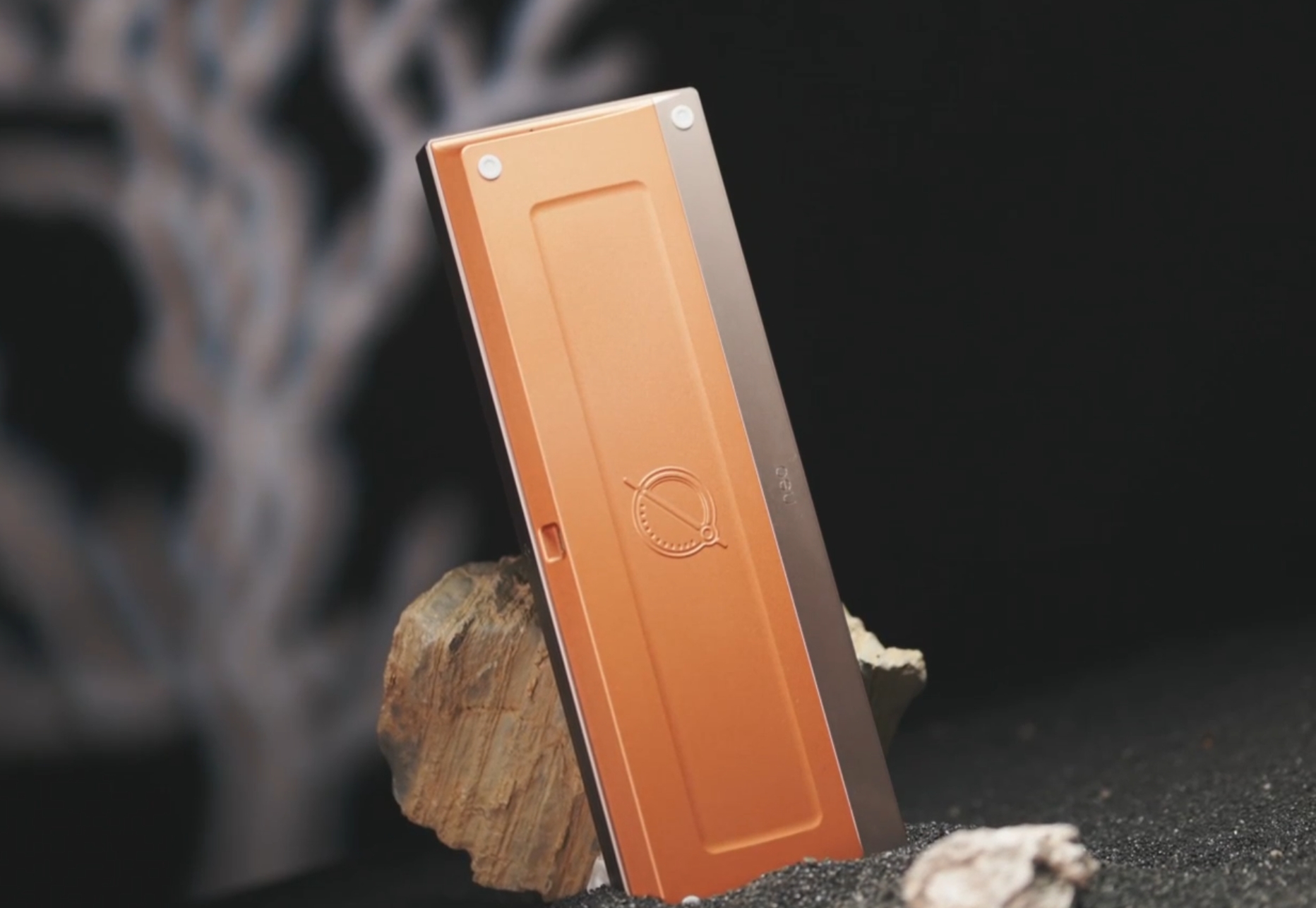
QwertyKeys is bringing Hall effect magic to the Neo65 family without forcing you to buy a whole new board. A drop-in Hall effect PCB upgrade is on the way for the Neo65 and Neo65 Cu, so if you want a magnetic-switch gaming keyboard with ultra-fast response, you’ll be able to keep your existing build and simply swap the PCB and switches.
That’s great news for custom keyboard enthusiasts who’ve already dialed in their case, plate, foam, and stabilizers. The Hall effect PCB is designed to preserve the same mounting options you’re used to, mirroring what’s offered on the Sonic HE+. You keep the familiar 65% layout, sleek Neo65 design language, and a choice of plates including polypropylene, polycarbonate (PC), aluminum, and carbon fiber. If you’re running a plateless setup, be aware that most Hall effect builds do better with a plate, so you may need to add one.
There are still a few technical questions. The new HE PCB supports an 8 kHz polling rate for ultra-low latency, a spec more commonly seen on high-end gaming mice than on wireless keyboards. How that will interact with the Neo65’s tri-mode wireless versions remains to be seen. To take full advantage of 8 kHz over USB, a new daughterboard may be required, since the original mechanical Neo65 architecture tops out at 1 kHz.
On the software side, the Neo65 Hall effect PCB will work with a custom browser-based configuration tool. Expect deep personalization features like adjustable actuation distance, SOCD handling, Mod Tap, Snap Tap, and DKS. This is the kind of fine-grained control that makes magnetic switches so compelling for gaming and fast typing: you can tune responsiveness per key, set dual-function behaviors, and refine inputs for different games or workflows.
Pricing hasn’t been announced yet. For context, the complete Sonic HE+ keyboard sells for about $115, and the priciest mechanical add-on PCB for the original Neo65 is $55. That makes a $50–60 range for the Hall effect PCB upgrade a reasonable expectation, but it’s still unofficial until QwertyKeys confirms it.
Switch compatibility appears promising. The magnetic flux specs on OwLab Nova switches line up closely with Gateron Magnetic Jade Pros, a popular aftermarket Hall effect option. That suggests strong third-party switch support, though it’s always wise to double-check specs before buying in bulk.
In short, the Neo65 Hall effect PCB upgrade looks like an elegant, budget-friendly path to bring magnetic-switch performance to an existing build. You get faster polling, customizable actuation, and pro-grade input features without giving up the Neo65’s premium feel and 65% footprint. Keep an eye out for official details on price, daughterboard requirements, and wireless behavior if you’re planning to run 8 kHz.