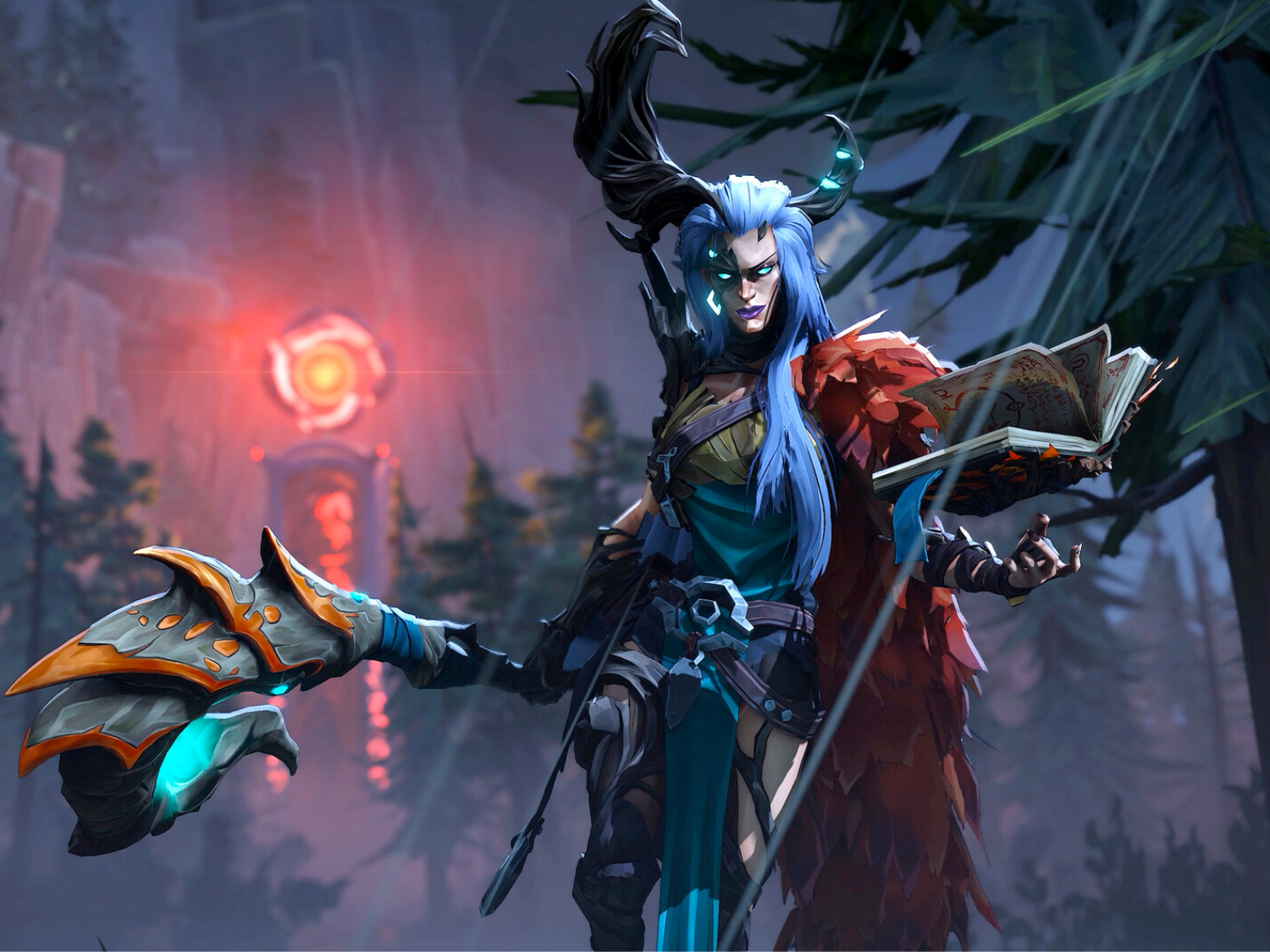
Quantic Dream is stepping into new territory. After years of being known for cinematic, narrative-first single-player games, the studio has launched Spellcasters Chronicles in early access on Steam as of February 26, 2026. It’s a free-to-play competitive experience that borrows the broad idea of a MOBA but deliberately strips away some of the genre’s most familiar pillars, like automated creep waves and individual hero leveling.
Instead, Spellcasters Chronicles positions you as a “mage commander” in fast, team-focused 3v3 matches. The core hook is deckbuilding: before you queue up, you assemble a loadout from more than 50 spells and summons. That pre-match planning matters as much as what you do in the arena, because the game leans heavily into macro decisions and coordinated pushes rather than constant mechanical duels.
The early reception is, at best, uneven. The game opened with a “Mixed” user score, sitting at about 52% from an initial pool of reviews. It also reached an early peak of 888 concurrent players within its first day, which suggests curiosity is there, but momentum hasn’t exploded out of the gate. Many players are praising the visuals—Quantic Dream’s strength in art direction and presentation clearly carries over into the arenas and overall look. Where opinions split is on how the game feels to play.
Spellcasters Chronicles doesn’t reward direct aggression the same way popular MOBAs do. Structures are highly resistant to player damage, so winning revolves around escorting summoned units and deploying Titans—towering, objective-focused giants that function as the main way to take ground and close out matches. That design can be more approachable for people who find traditional last-hitting and lane pressure overwhelming, since the game emphasizes “lane logistics” and timing. But it’s also the source of a lot of the criticism, with early players calling combat too passive and lacking the punch and impact they expect from spellcasting.
Movement is another notable difference. The third-person aerial flight gives players a lot of mobility and makes positioning feel more open than a standard top-down battleground. Even so, several reviews argue that while flying is exciting, the spells themselves don’t always deliver that satisfying sense of weight—an issue that can make fights feel less dramatic than the game’s visuals suggest.
There are also practical concerns holding the early access build back. Performance expectations are on the higher side for a new free-to-play release, with recommendations that include 16 GB of RAM and an RTX 3070 for a stable experience. On top of that, players report major stability issues, including hard freezes. The lack of a reconnect feature has become a particularly sore point for a team-based competitive game, where a single crash can ruin a match for everyone involved. Communication is also limited right now, with no native text chat, which can make coordinated play harder than it needs to be.
Quantic Dream has already outlined a 2026 roadmap intended to address many of these gaps over a roughly six-month early access window. Planned additions include voice chat, a new Technomancer class, and reworked ranked modes. Still, based on the current early feedback, Spellcasters Chronicles looks like a project with a strong visual foundation and an unusual MOBA-adjacent identity, but one that needs meaningful refinement—especially stability fixes and more engaging combat feel—before it can seriously compete for long-term players.