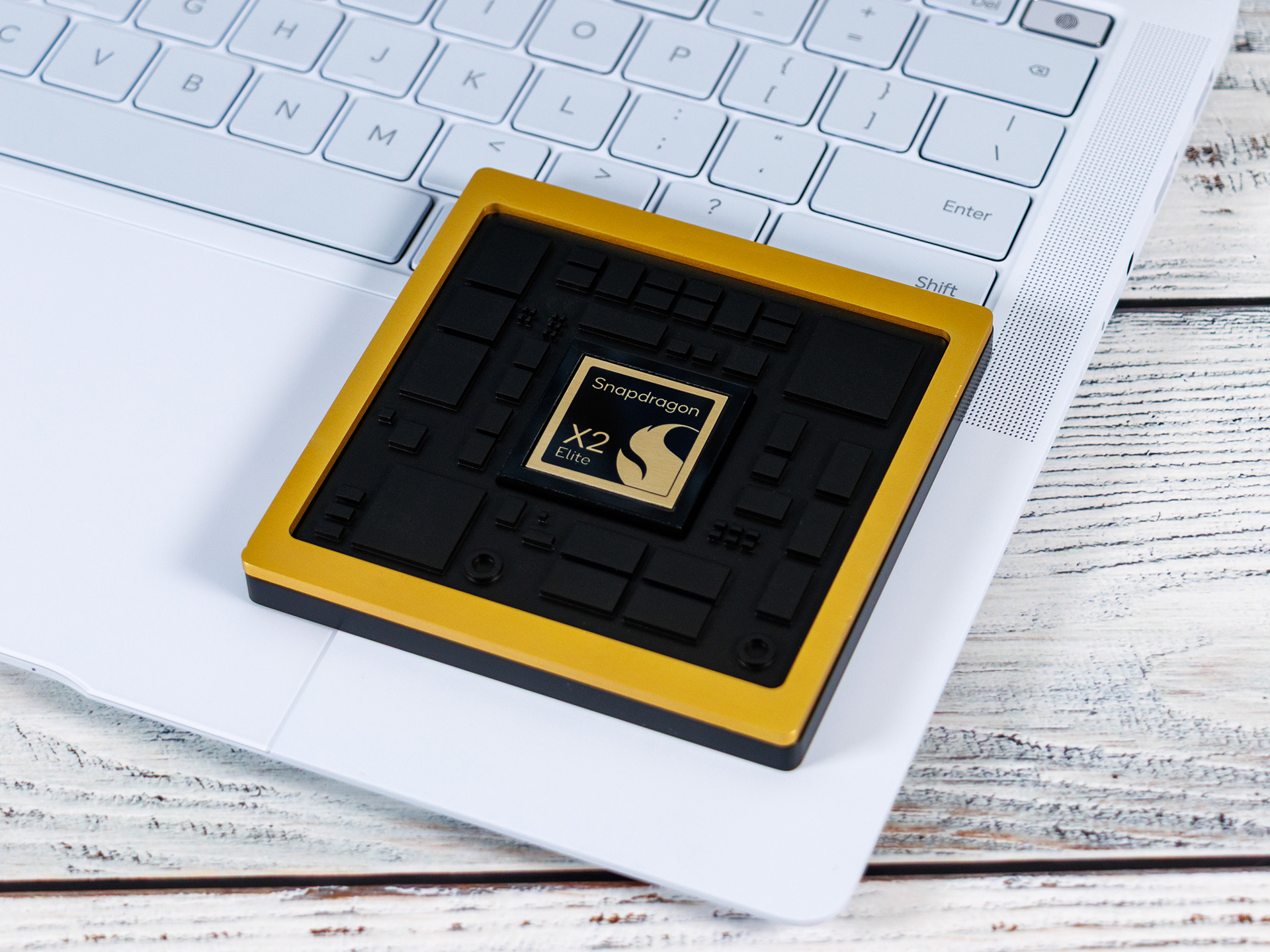
Qualcomm Confirms Chip Price Increases Starting September 1
Qualcomm has confirmed that prices for its chips will rise beginning September 1, signaling another cost increase for the wider consumer electronics industry. The announcement came during the company’s fiscal Q3 2026 earnings call on July 29, where CEO Cristiano Amon directly addressed the issue and pointed to rising production expenses across the semiconductor supply chain.
Amon summed up the situation clearly: costs are increasing, and prices will follow. The adjustment is expected to affect a broad range of Qualcomm products, not just one specific chip family or market segment.
The company says the price hikes are being driven by higher costs in several key areas, including wafer manufacturing, memory components, assembly, and advanced chip packaging. These are all essential parts of modern semiconductor production, especially as chips become more powerful, more complex, and more expensive to manufacture.
Memory pricing appears to be one of the biggest short-term pressures. Amon noted that the current strain is connected to broader competition for memory chip supply, which has become a major challenge across the tech industry. As demand rises from smartphones, PCs, AI devices, data centers, and other connected hardware, memory costs have become harder for manufacturers to absorb.
The impact could be felt by consumers in the coming months. If smartphone and device makers face higher Qualcomm chip costs, some of those increases may eventually be reflected in retail prices. This could be especially noticeable in premium and upper-midrange devices, where advanced processors, high-speed memory, and sophisticated packaging technologies play a major role in final product pricing.
Amon also suggested that changing consumer behavior is already becoming visible. Some buyers are moving toward lower-priced premium models, while others are choosing to keep last year’s phone for longer instead of upgrading. According to Qualcomm, higher memory prices are one reason affordability is being squeezed across the market.
Despite the price increase, Qualcomm described the situation as temporary. Amon said the company sees the current margin pressure as a short-term issue caused by elevated supply costs, and that raising prices is part of its response.
The timing is important. Qualcomm is preparing for its next generation of mobile and computing chips, while smartphone brands are finalizing devices for late 2026 and early 2027. Any increase in component costs could influence pricing strategies for upcoming Android flagships, AI PCs, tablets, wearables, and connected devices.
For device manufacturers, the September 1 price change may force difficult decisions. They can either absorb the added cost and accept lower margins, pass the increase on to consumers, or adjust hardware configurations to keep prices stable. That could mean changes in memory capacity, storage options, or feature sets, depending on the product category.
For consumers, the message is simple: future devices powered by Qualcomm chips may become more expensive, especially if memory prices remain high. While Qualcomm believes the pressure will ease over time, the near-term outlook suggests that the tech industry is still dealing with rising production costs and tight component supply.
The price hike confirms that even major chipmakers are not immune to global semiconductor cost pressures. As demand for high-performance mobile processors, AI hardware, and advanced memory continues to grow, pricing across the electronics market may remain under pressure for a while longer.