Europe is accelerating its semiconductor strategy by strengthening ties with Taiwan, aiming to turn its strong research capabilities into real-world chip production. As the global race to scale artificial intelligence chips heats up, European leaders and industry players are looking beyond labs and prototypes toward dependable manufacturing partnerships—and Taiwan’s chip ecosystem is becoming a central part of that plan.
While Europe has long been recognized for high-level semiconductor research and advanced engineering, converting that expertise into mass commercial output has been a persistent challenge. That’s where Taiwan’s experience in high-volume chipmaking comes in. By deepening cooperation with Taiwanese semiconductor companies, Europe is working to close the gap between invention and production, ensuring that breakthroughs can be manufactured efficiently and competitively.
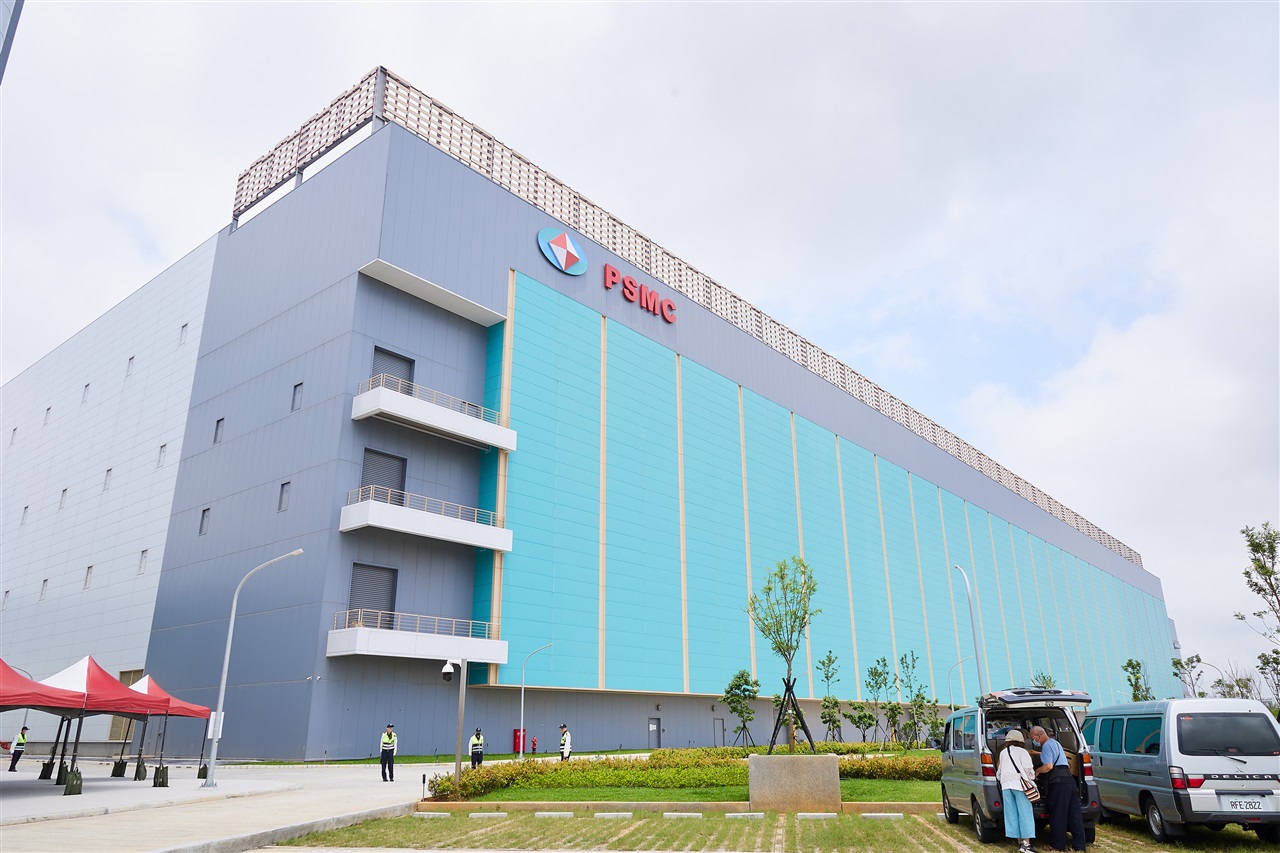
A key name emerging in this evolving partnership is Powerchip Semiconductor Manufacturing Corp. (PSMC). The foundry is increasingly being viewed as a practical bridge between Europe’s innovation pipeline and the industrial-scale fabrication needed to support next-generation technologies. With AI driving unprecedented demand for semiconductors across data centers, consumer electronics, automotive systems, and industrial automation, reliable foundry capacity has become a strategic priority.
This push reflects a broader European goal: build a stronger, more resilient semiconductor supply chain while reducing dependence on distant manufacturing hubs. Taiwan’s track record in chip production—and its ability to help move from research to commercial-grade manufacturing—makes it a valuable partner as Europe tries to expand its foothold in advanced semiconductor production.
As AI continues to reshape global competition, Europe’s collaboration with Taiwan signals a more urgent, production-focused approach to chip strategy. The message is clear: research leadership alone isn’t enough anymore. In the new era of AI-driven computing, the ability to manufacture at scale will define who leads—and Europe is positioning itself to compete by pairing its innovation strengths with Taiwan’s manufacturing expertise.