Potential tariffs are back on the table for consumer PC hardware, and they could make everything from gaming GPUs to everyday laptops noticeably more expensive.
The US government is weighing a new approach that would tie import tariffs to the value of the semiconductor content inside foreign-made electronics. Rather than focusing only on subsidies and domestic investments, the proposal would levy a fee based on how much of an item’s value comes from chips manufactured overseas. According to reporting on the plan, the Commerce Department would calculate a percentage of the estimated chip content in a product and apply that as a tariff at the border. The policy is still under consideration and could change, but laptops, CPUs, and GPUs are among the categories said to be in scope.
The goal is clear: push more chip manufacturing onto US soil and discourage a dual-sourcing strategy where advanced components are split between domestic and overseas fabs. The challenge is execution. To make chip-content tariffs work, the government would need a way to determine each product’s origin, the type of chips inside, where those chips were fabricated, and how much of the device’s value they represent. That’s a complex process with significant administrative overhead.
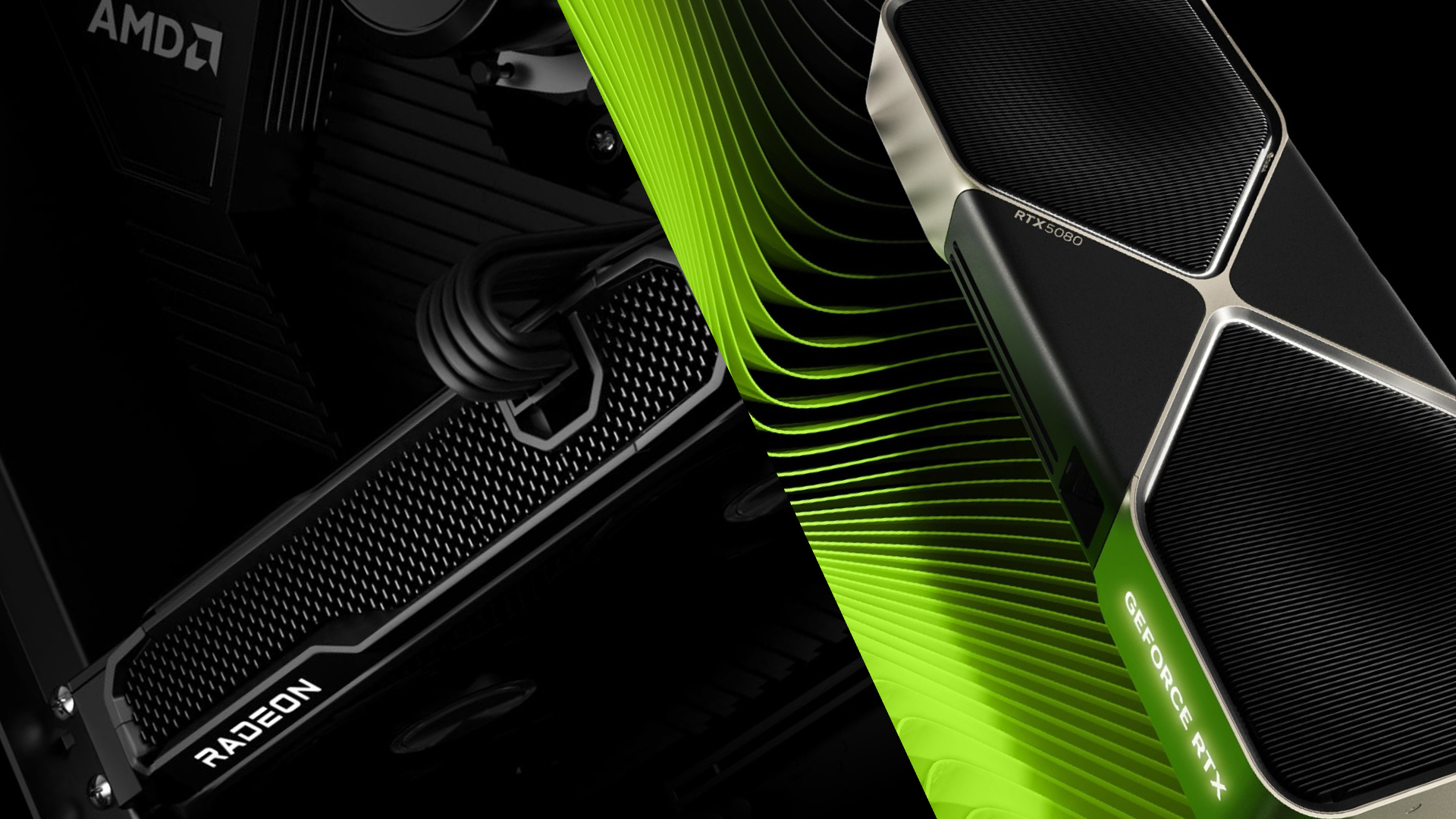
Why this matters to PC buyers is simple: many of today’s most popular components rely on overseas fabrication. High-end graphics cards, including NVIDIA’s GeForce RTX series and AMD’s Radeon GPUs, commonly use chips produced in Taiwan. Consumer CPUs like AMD’s Ryzen processors also depend heavily on overseas fabs. If a chip-content tariff lands, importers would likely pass some or all of that cost down the chain to retailers and, ultimately, to consumers.
Some proposals have floated tariff rates as high as 100% for non-compliance, which would dramatically shift sticker prices. To illustrate the potential impact if the maximum rate were applied, here are rough estimates based on current or expected launch pricing:
– AMD Ryzen 7 9800X3D: $479 → approximately $958
– NVIDIA GeForce RTX 5080: $999 → approximately $1,998
– NVIDIA GeForce RTX 5090: $1,999 → approximately $3,998
– AMD Radeon RX 9070 XT: $599 → approximately $1,198
These figures are hypothetical and for context only. The policy is not finalized, and the method for calculating chip content has not been publicly detailed.
There are signs the industry is preparing for a domestic shift. AMD has been moving some Ryzen production to a US fab in Arizona, and NVIDIA has reportedly explored options to qualify more of its supply chain for American manufacturing. If those efforts scale up, certain products could avoid or reduce potential tariffs, but until the rules are set, uncertainty remains.
Bottom line: a chip-content tariff would reshape PC hardware pricing and supply chains in the United States. If implemented, expect import-dependent categories like CPUs and GPUs to feel it first, followed by laptops and other consumer electronics. For now, nothing is final, but anyone planning a build or upgrade this year should keep an eye on how these semiconductor trade policies evolve.