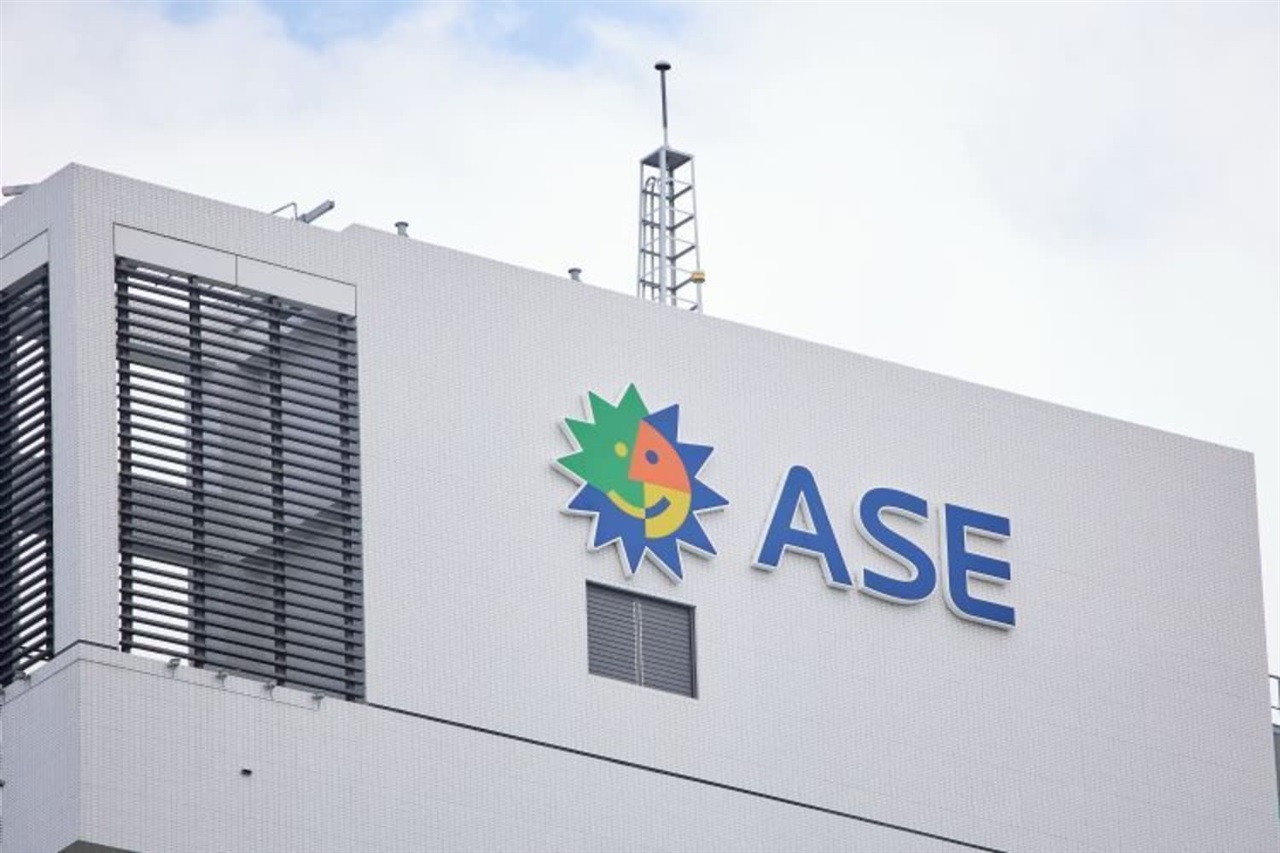
ASE Technology Holding Posts Strongest Quarterly Profit in Nearly Five Years, Raises 2026 Capex to US$11.5 Billion
ASE Technology Holding delivered a standout performance in the third quarter of 2026, reporting net profit of NT$26.996 billion, or about US$831 million. The result represents a 28% increase from the previous quarter and an impressive 148% surge compared with the same period a year earlier.
The latest earnings mark the company’s highest quarterly profit in nearly 19 quarters, underscoring a strong rebound in demand across the semiconductor packaging and electronics manufacturing services sectors. ASE Technology Holding is one of the world’s major players in advanced chip packaging, a field that has become increasingly important as artificial intelligence, high-performance computing, automotive electronics, and next-generation consumer devices drive demand for more sophisticated semiconductor solutions.
Alongside its strong profit growth, the company raised its 2026 capital expenditure plan by US$1 billion, bringing the total budget to US$11.5 billion. This increase signals confidence in continued market expansion and suggests ASE is preparing for higher demand from major chipmakers and electronics customers.
The company also indicated that spending is expected to rise again in 2027, pointing to a multi-year investment cycle. These investments are likely aimed at expanding production capacity, improving advanced packaging capabilities, and supporting next-generation semiconductor technologies.
ASE’s results highlight the growing importance of semiconductor assembly, testing, and packaging within the global chip supply chain. As chip designs become more complex, advanced packaging is playing a bigger role in improving performance, power efficiency, and system integration.
With quarterly profit reaching its highest level in years and capital spending set to climb further, ASE Technology Holding appears well-positioned to benefit from long-term growth trends in AI chips, data centers, connected devices, and automotive semiconductor demand.