The world of digital art and design is currently facing a technological crossroads with the advent of generative AI, sparking debate and division within the industry. Procreate, a popular design application exclusive to the iPad, has recently made a clear and definitive statement by rejecting the use of generative AI in its platform.
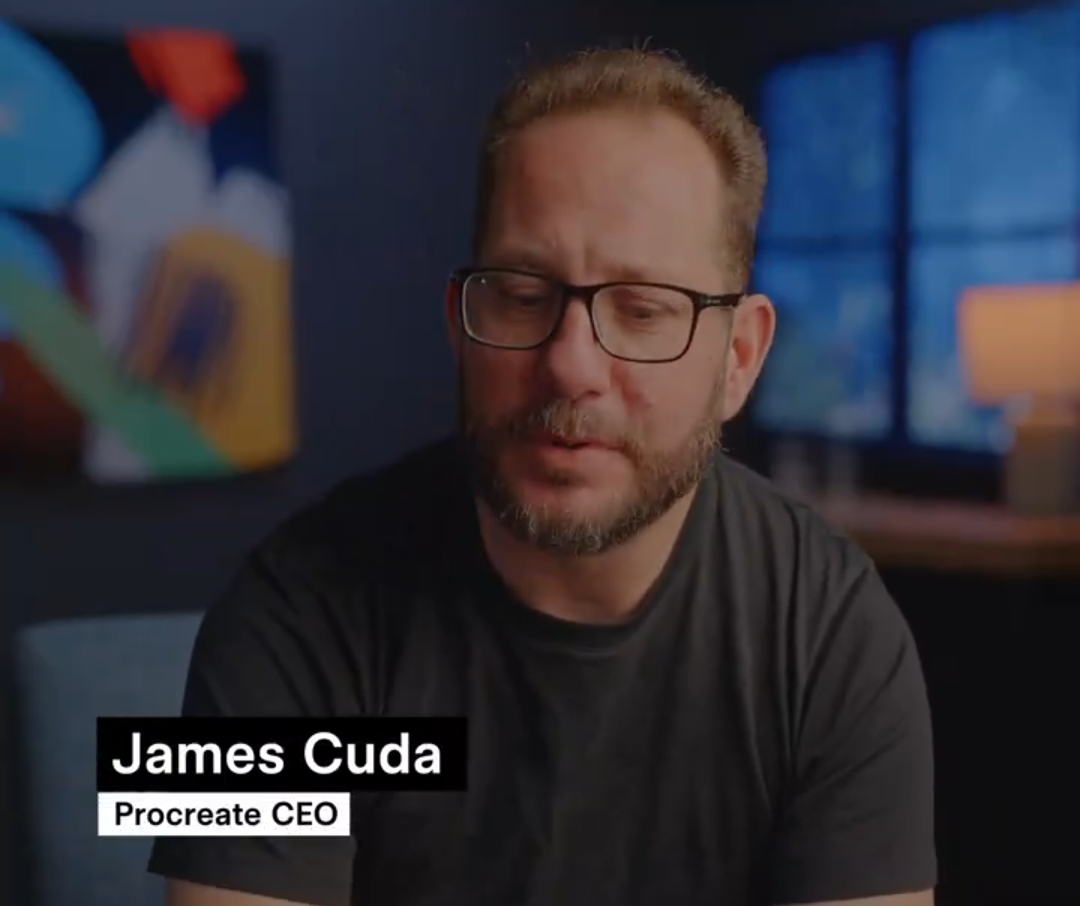
James Cuda, the CEO of Procreate, has publicly voiced a fervent opposition to generative AI. The company’s position was announced via a social media video that earned applause from the artistic community, raising Procreate’s profile as a supporter of human-driven creativity. In the declaration, Procreate affirmed its commitment to designing features with the intention of being used by humans to create, rather than relying on AI to generate art.
The app, which boasts roughly 30 million users, is celebrated for its one-time purchase model, diverging from commonly seen subscription services. Procreate’s rejection of AI integration comes as a reassuring stance for users who value the artistic process and the originality of human creativity.
This approach contrasts sharply with actions from other key players in the tech and design industry. Adobe, for example, has faced scrutiny for its venture into AI with Firefly and the ambiguous content usage terms that accompanied it. Tech giants like Apple and Google have also stumbled with marketing strategies viewed as tone-deaf to the growing concerns over AI’s role in creative professions.
Another prominent name in digital art, Wacom, faced backlash for utilizing AI-generated promotional material for their drawing tablets, such as the Cintiq 16, eventually leading to a public apology from the company. Moreover, digital art platform ArtStation experienced a surge of protest art against AI, which was swiftly removed, citing Terms of Service violations. These incidents reflect an industry grappling with ethical and legal dilemmas posed by generative AI.
Amongst the artistic community, there is a discernible wariness towards the use of AI, with a sizeable majority showing disapproval towards AI-generated content. Use of copyrighted works of art to train AI models has raised concerns over the legal rights to artwork created by such models, prompting a reevaluation of AI’s role in copyright and artistic value.
While some competitors have toyed with AI-driven tools, Procreate distinguishes itself by taking an unequivocal stance, referring to generative AI as a challenge to the moral fabric of human creativity. This bold move by Procreate has so far been met with robust support from its users, suggesting that there is significant value placed on maintaining a human touch in the realm of digital art.
As the debate on generative AI continues to heat up, the digital art industry watches closely to see how the balance between technology and human creativity will evolve. Procreate has positioned itself as a defender of artistic integrity in a time when the future of creative expression is being redefined.