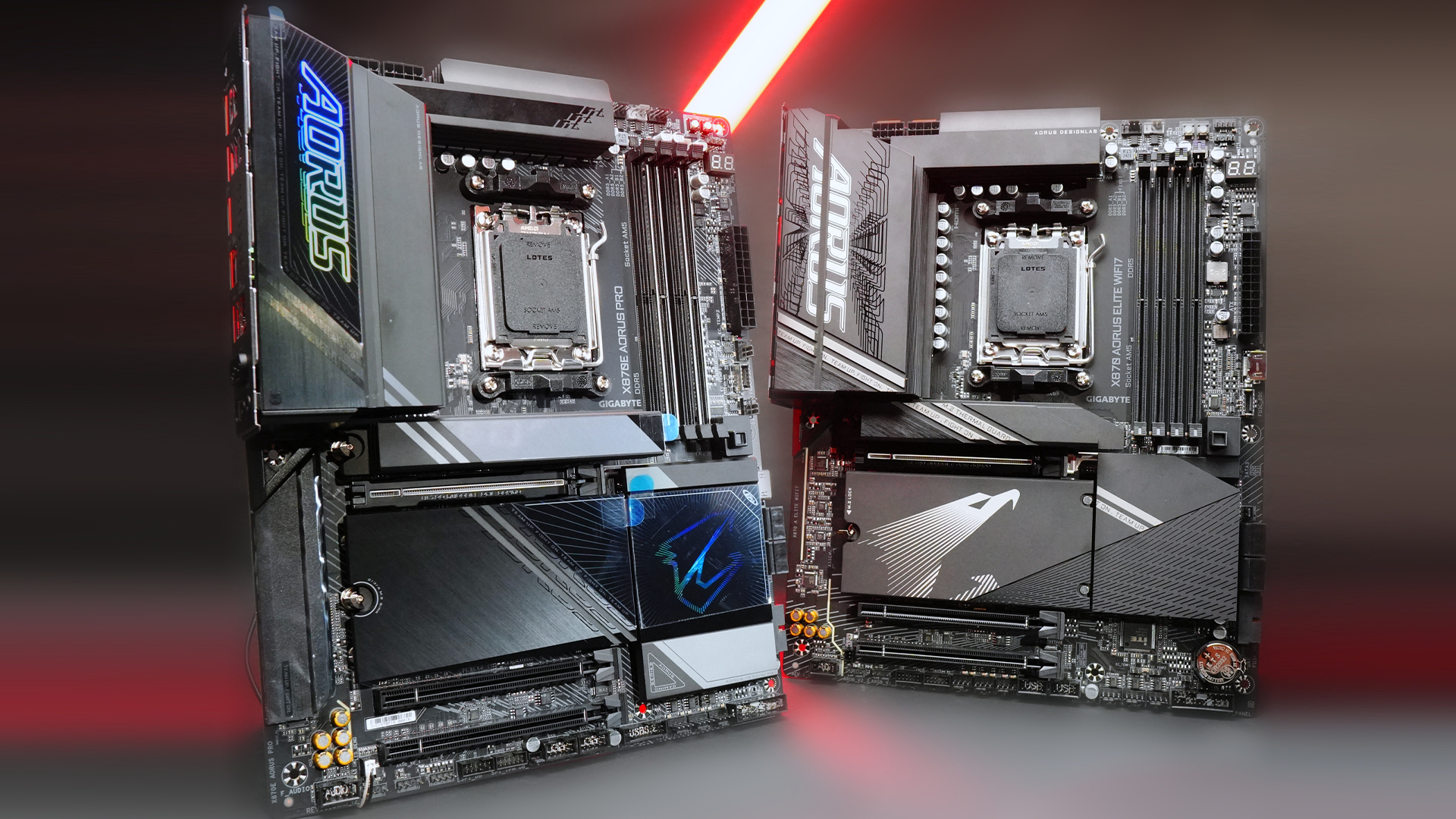
In an ever-evolving technology landscape, consumers may soon face another hurdle as rumors swirl that motherboard prices from leading brands ASUS, Gigabyte, and MSI are set to increase again. This follows a history of significant price jumps since 2020 due to the pandemic’s impact, where Intel motherboards saw an average price increase of 40% and AMD’s increased by 35%.
Despite signs of market recovery, insiders suggest that prices may rise once more. The timeline for this increase remains unclear, but if the reports hold true, users can expect a notable uptick in costs for current-generation motherboards like AMD and Intel’s 800-series. The reasons for potential price hikes are yet to be confirmed but are thought to be multifaceted.
One crucial factor could be the expiration of the US government’s exemption on tariffs for graphics cards and motherboards imported from China. This could lead to increased costs if trade tensions remain strained, prompting manufacturers to adjust their pricing strategies to offset tariff impacts. Furthermore, it’s important to note that while many production facilities are based in Taiwan, not all manufacturing occurs there.
Increased production costs also play a significant role in these potential price surges. The cost of high-grade copper used in circuit boards has spiked, along with escalating labor costs. Additionally, the integration of new technologies like PCI-E 5.0 and USB4.0 further contributes to higher manufacturing expenses.
Although it’s uncertain whether older motherboard models will be affected by these changes, it’s a cause for concern among consumers. Brands tend to implement price hikes quietly, without formal announcements. Presently, AMD’s AM5 and Intel’s LGA 1851 sockets are the most recent releases, though Intel’s LGA 1700 remains more prevalent in sales. With some AMD 800 series models already surpassing $300, any additional price hikes could complicate the already challenging task of building a PC on a budget.
If rumors prove true, these price increases could add yet another layer of difficulty for consumers looking to upgrade or build new systems, highlighting the importance of strategic purchasing decisions in the current climate.