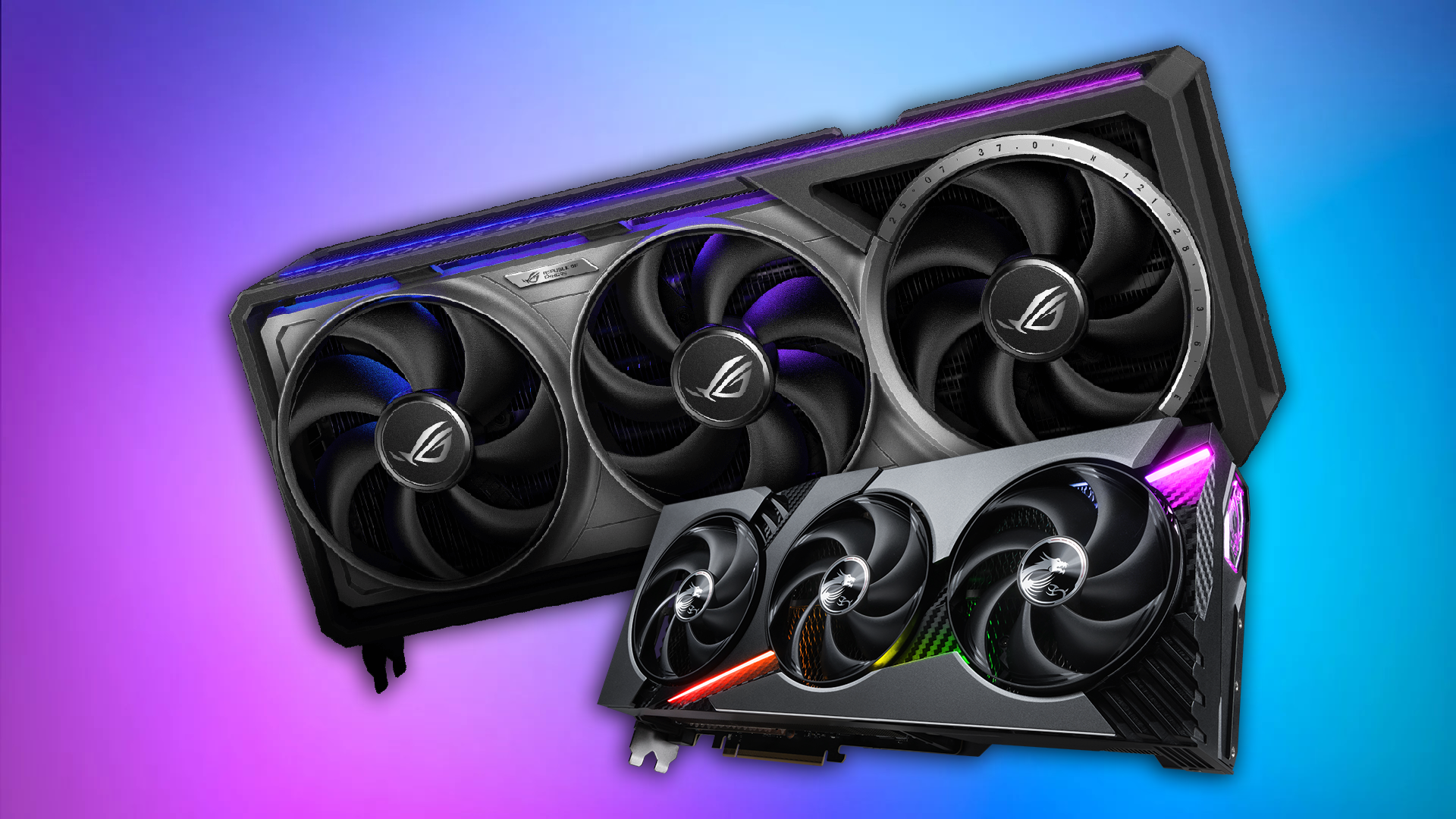
ASUS has been stealthily raising the stakes in the graphics card market, particularly with their latest custom versions of the RTX 50 and RX 9070 series. This trend of increasing prices isn’t exclusive to scalpers anymore; it’s happening directly from the manufacturers and retailers. With each passing day, consumers are witnessing unprecedented price hikes, making the original MSRPs almost meaningless.
Recently, it has come to light that a significant portion of these price increases is attributed to the cost of GPUs and VRAM, leaving minimal profit margins for components like coolers and packaging. Major vendors have taken this to heart, escalating costs repeatedly until the current prices are sky-high. ASUS, for instance, has jumped on this bandwagon, marking up their RTX 50 and RX 9070 series cards by substantial amounts.
As of last month, ASUS priced their RTX 5090 Astral OC model at a whopping $3,079.99. Fast forward a month, and the asking price has leapt by $280 to $3,359.99, representing a staggering jump to 1.68 times its original MSRP. Similarly, the TUF RTX 5090 OC edition saw a modest increase of $10, now sitting at approximately 1.5 times its MSRP at $2,999.
The Radeon RX 9070 series has also seen similar shifts. ASUS’s Prime Radeon RX 9070 XT OC model starts at $719, climbing to $799 for the TUF RX 9070 XT OC. These aren’t small jumps when the card initially launched at $599. Even the basic Radeon RX 9070 now starts at $659, surpassing its own MSRP and outpricing the starting MSRP of its superior RX 9070 XT sibling by about $110.
Navigating today’s GPU market is becoming increasingly challenging, with buyers having to contend with prices that seem to climb ever higher, driven by factors beyond mere supply and demand dynamics.