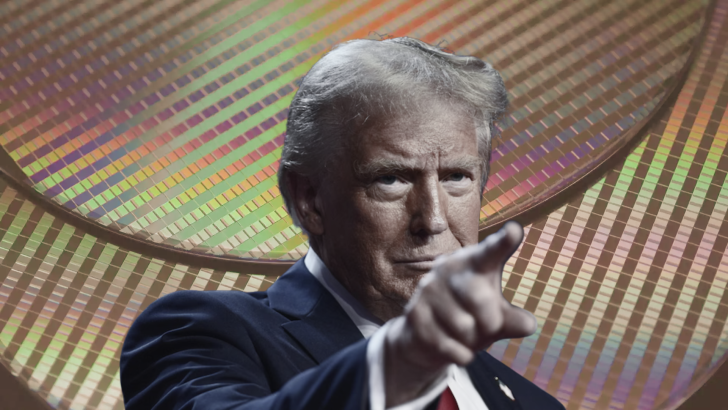
The recent deal between TSMC and the Trump administration, while a significant step towards improving US-based chip production, might not fully alleviate the looming threat of tariffs on Taiwanese chips. According to reports, there is speculation that instead of directly taxing chip imports, the US might impose tariffs on electronic devices that incorporate these chips. This could result in substantial price hikes for consumer products, potentially reaching up to 100%.
Despite the deal, internal discussions within the administration continue about potentially implementing hefty tariffs on TSMC and other chipmakers based in Taiwan. A consideration has been raised to levy import duties not just on the chips themselves, but also on the devices that use them, which could include popular electronics like Apple iPhones.
The strategic agreement with TSMC involves a massive $165 billion investment to establish new facilities in Arizona, along with advanced packaging centers and a significant R&D facility. This venture represents the largest single foreign investment in US history and was announced at the White House, underlining the administration’s dedication to boosting domestic chip production. However, this development may not shield the tech industry from the financial impact of potential tariffs.
If tariffs are imposed on products utilizing Taiwan-made chips, consumers could see significant price increases on a wide range of technology products. Since most tech products in the US contain TSMC’s chips, the financial repercussions for consumers and the broader tech market could be significant.
The landscape remains uncertain, and companies like TSMC may find themselves facing more challenges as the situation evolves. With tariffs already affecting imports from other countries like Mexico, Canada, and China, there is a concern that Taiwan might soon be included in this list. President Trump has previously expressed concerns about the alleged theft of US technology, which could further complicate trade relations with Taiwan. This situation calls for close attention, as any changes could have substantial implications for the global tech industry and consumers alike.