Google has recently drawn the attention of the tech community with its Ferrochrome project, which presented the potential of Google Pixel smartphones operating with ChromeOS. Despite the excitement it stirred among ChromeOS enthusiasts, Google clarified that this endeavor was, at its core, a proof of concept rather than a signal of an imminent launch.
The Ferrochrome project, built upon the open-source Chromium OS, sparked conversations about the convergence of two of Google’s operating systems. Excitement grew when the capabilities of Pixel devices to run a version of ChromeOS emerged. The integration of the operating systems was expected to have ChromeOS working atop Android’s framework, creating a hybrid user experience.
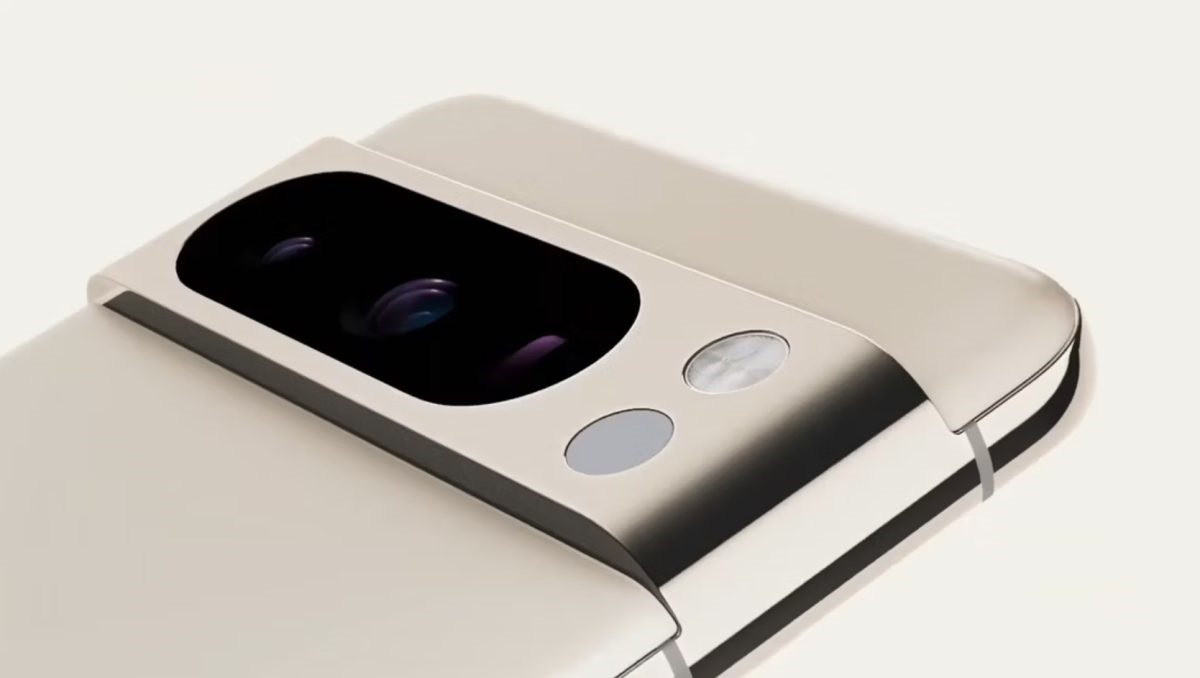
The idea became a hot topic when Google showcased a demonstration for their Android partners at a confidential event. What was demonstrated was Chromium OS functioning within a virtual machine on the Google Pixel 8. The showcase led to rampant speculation about Google’s intention to merge ChromeOS with its smartphone hardware. However, such speculations were put to rest when Google confirmed that the demonstration was merely an example of what could be done with their technology.
Instead, the demo aimed to explore the capabilities of the Android Virtualization Framework (AVF), addressing the technical challenges of running a chromium-based operating system alongside Android. Google has kept its cards close regarding any ongoing or future projects related to this concept. With no current plans disclosed, it is unclear if Google or its partners will pursue this integration further.
Dave Burke, Google’s Vice President, commented on the project in the Android Faithful podcast. Burke emphasized the project’s aim was not to tease a new feature, but rather to showcase Google’s advances in Android virtualization technology and to understand its potential uses. He outlined the whimsical nature of the proof of concept:
“We thought, ‘What if we did something out of the ordinary for the sake of demonstration? What if we made ChromeOS run within Android?’ And we did, it worked. But that’s all it was—a demonstration of the technology.”
Even though the Ferrochrome project remains a what-if scenario, it has shone a light on what the future of Android virtualization might entail. The concept alone indicates that ChromeOS could experience a transition in how it’s used if the technology were to develop further in this direction. For now, it remains a tantalizing insight into what could be possible, leaving a trail of hope for the community eager to see the fusion of Google’s operating systems.